
Data Collection and Management in AI for Physiotherapy Rehabilitation
Welcome to this exciting episode of our podcast series, the Professional Certificate in AI in Physiotherapy Rehabilitation. I'm thrilled to have you here, as we delve into the world of Data Collection and Management in AI for Physiotherapy …
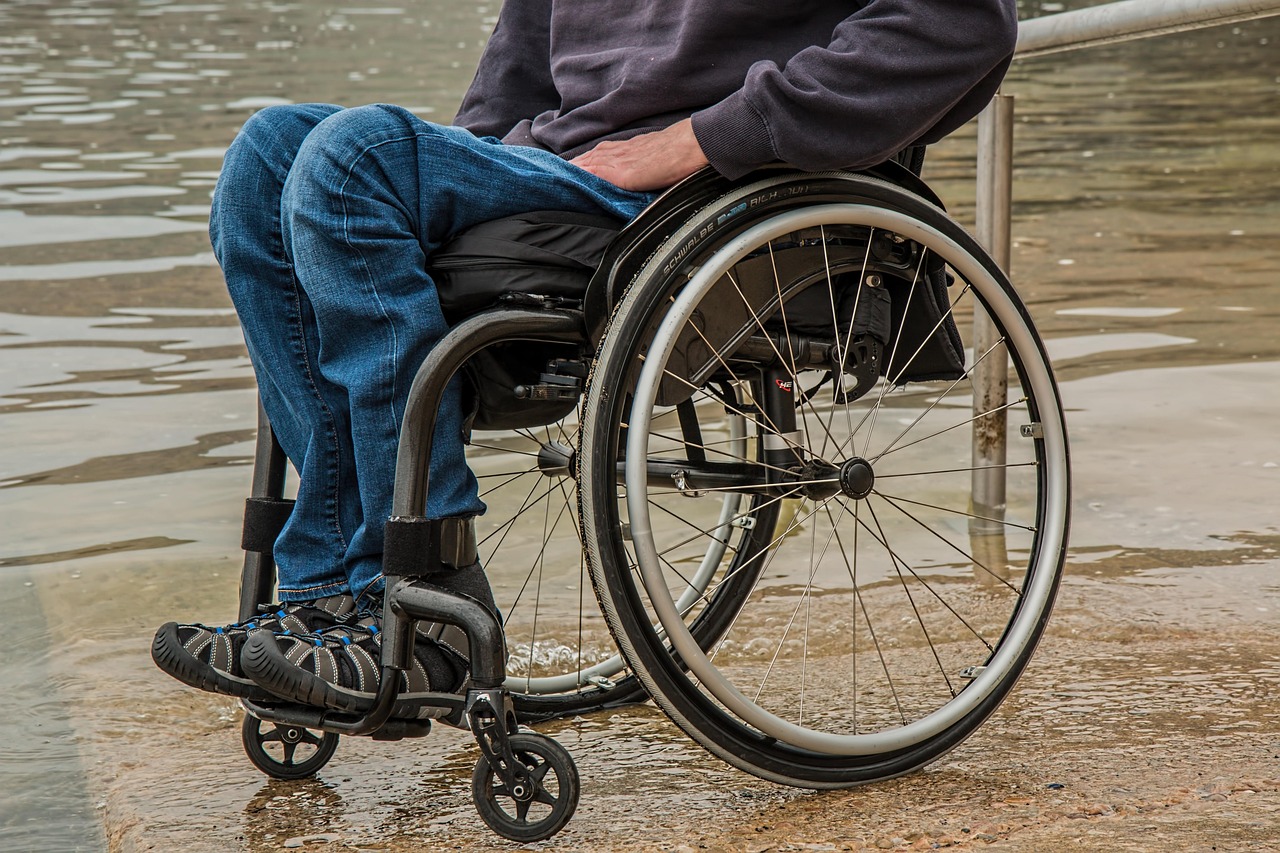
Photo from Pexels
Welcome to this exciting episode of our podcast series, the Professional Certificate in AI in Physiotherapy Rehabilitation. I'm thrilled to have you here, as we delve into the world of Data Collection and Management in AI for Physiotherapy Rehabilitation. This topic is crucial for anyone looking to stay ahead in the field, as it forms the backbone of successful AI implementation.
Imagine a world where physiotherapy rehabilitation is not only personalized but also efficient and accurate, thanks to AI. That world is possible with proper data collection and management. These processes ensure that AI systems are trained with accurate, relevant, and diverse information, enabling them to make informed decisions and provide valuable insights.
Data Collection and Management in AI for Physiotherapy Rehabilitation is not a new concept. Its roots can be traced back to the early days of AI, where researchers recognized the need for high-quality data to train and validate their models. Over time, these processes have evolved, becoming more sophisticated and specialized, allowing for the integration of AI in various aspects of physiotherapy rehabilitation.
Now, let's explore some practical applications of Data Collection and Management in AI for Physiotherapy Rehabilitation. By implementing robust data collection strategies, physiotherapists can:
1. Create a rich, diverse dataset for AI model training and validation. 2. Monitor patient progress and adjust treatment plans accordingly. 3. Identify patterns and trends in patient data to inform best practices.
However, it's important to avoid common pitfalls, such as:
Now, let's explore some practical applications of Data Collection and Management in AI for Physiotherapy Rehabilitation.
1. Collecting incomplete or biased data. 2. Neglecting data privacy and security. 3. Failing to maintain and update data over time.
To overcome these challenges, consider the following solutions:
1. Implement a comprehensive data collection plan, ensuring all relevant information is gathered. 2. Adhere to data privacy regulations and invest in secure data storage solutions. 3. Regularly review and update data to maintain accuracy and relevance.
In closing, I want to leave you with an inspiring message. Data Collection and Management in AI for Physiotherapy Rehabilitation is a powerful tool that, when used correctly, can revolutionize the field. By applying what you've learned today, you're taking a significant step towards harnessing the potential of AI for the betterment of your practice and your patients.
Don't forget to subscribe, share, and engage with our podcast. Together, we can continue to explore the ever-evolving world of AI in Physiotherapy Rehabilitation. Thank you for joining me on this journey, and I look forward to our next conversation.
Key takeaways
- I'm thrilled to have you here, as we delve into the world of Data Collection and Management in AI for Physiotherapy Rehabilitation.
- These processes ensure that AI systems are trained with accurate, relevant, and diverse information, enabling them to make informed decisions and provide valuable insights.
- Over time, these processes have evolved, becoming more sophisticated and specialized, allowing for the integration of AI in various aspects of physiotherapy rehabilitation.
- Now, let's explore some practical applications of Data Collection and Management in AI for Physiotherapy Rehabilitation.
- Identify patterns and trends in patient data to inform best practices.
- Failing to maintain and update data over time.
- Implement a comprehensive data collection plan, ensuring all relevant information is gathered.