
Introduction to Artificial Intelligence for Renewable Energy Forecasting
Imagine a world where renewable energy is the norm, and our planet is thriving. The key to unlocking this future lies in the ability to accurately forecast energy demand and supply. This is where artificial intelligence comes in, and that's…
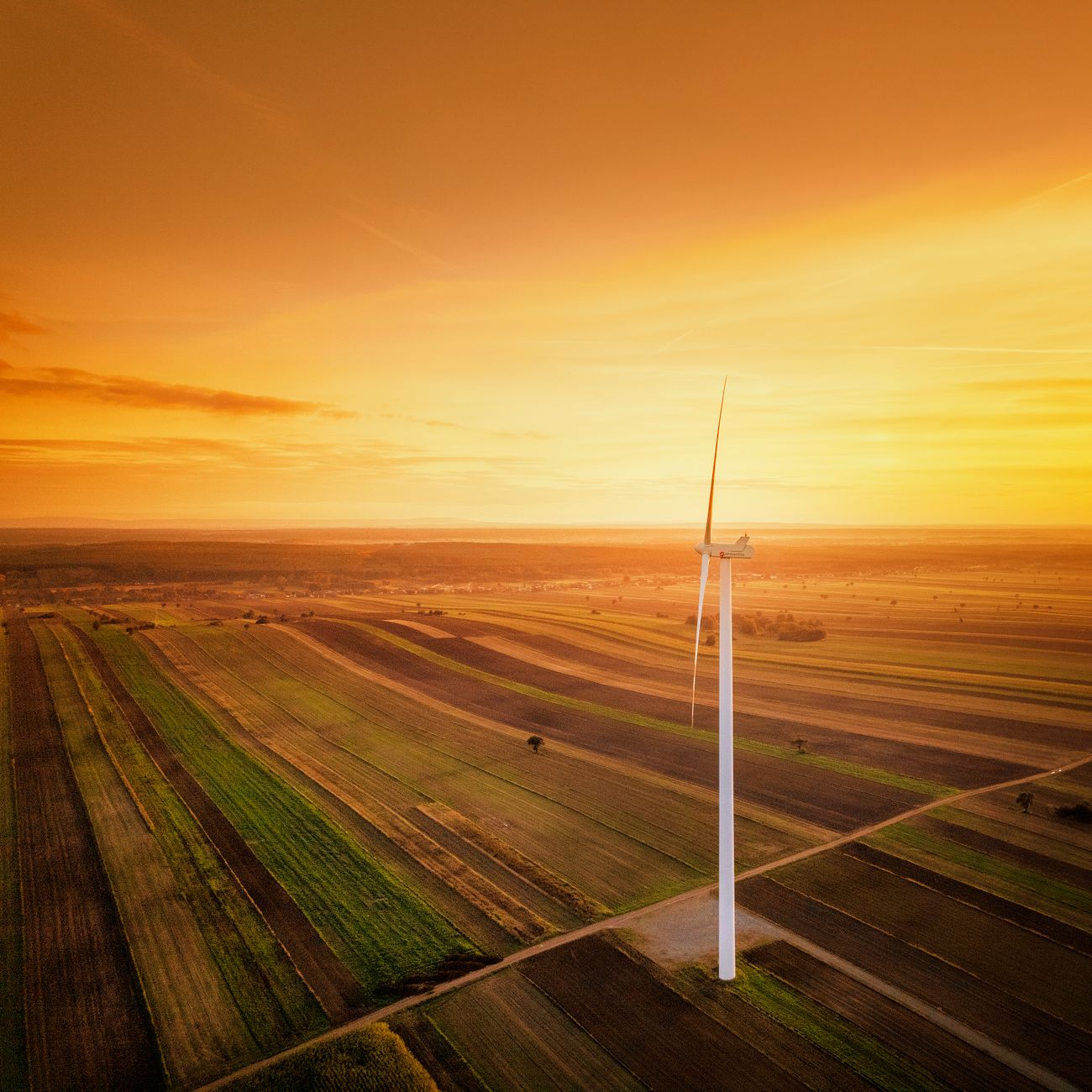
Photo from Pexels
Imagine a world where renewable energy is the norm, and our planet is thriving. The key to unlocking this future lies in the ability to accurately forecast energy demand and supply. This is where artificial intelligence comes in, and that's what we're going to explore today in our episode on Introduction to Artificial Intelligence for Renewable Energy Forecasting, part of the Professional Certificate in AI for Renewable Energy Forecasting offered by Stanmore School of Business.
As we delve into this exciting topic, let's take a step back and look at how far we've come. The concept of artificial intelligence has been around for decades, but its application in renewable energy forecasting is a relatively recent development. In the past, energy forecasting relied on traditional methods such as statistical analysis and physical models. However, with the advent of machine learning and deep learning, we can now analyze vast amounts of data, identify patterns, and make predictions with unprecedented accuracy.
So, why is this important? Well, accurate energy forecasting is crucial for ensuring a stable and efficient energy grid. It enables utilities and grid operators to balance supply and demand, reduce energy waste, and prevent power outages. Moreover, it allows them to optimize energy storage and distribution, which is critical for integrating renewable energy sources such as solar and wind power into the grid.
Now, let's talk about the practical applications of Introduction to Artificial Intelligence for Renewable Energy Forecasting. One of the most significant benefits is the ability to analyze complex data sets, including weather patterns, energy demand, and grid operations. By using machine learning algorithms, we can identify patterns and correlations that would be impossible to detect using traditional methods. For example, we can use historical weather data to predict energy demand and adjust energy supply accordingly.
Another key application is the use of predictive analytics to optimize energy storage and distribution. By analyzing real-time data from sensors and IoT devices, we can predict energy demand and adjust energy supply in real-time. This enables utilities and grid operators to respond quickly to changes in energy demand, reducing the risk of power outages and energy waste.
While AI can provide valuable insights, it's essential to combine it with human expertise and judgment to ensure that decisions are well-informed and contextually relevant.
However, as with any new technology, there are common pitfalls to avoid. One of the biggest challenges is data quality. Machine learning algorithms are only as good as the data they're trained on, so it's essential to ensure that the data is accurate, complete, and consistent. Another pitfall is over-reliance on technology. While AI can provide valuable insights, it's essential to combine it with human expertise and judgment to ensure that decisions are well-informed and contextually relevant.
So, what can you do to apply these principles in your own work or life? Start by exploring the various machine learning algorithms and tools available, such as TensorFlow or PyTorch. Practice using them to analyze data sets and make predictions. You can also explore online courses and tutorials, such as those offered by Stanmore School of Business, to learn more about the fundamentals of artificial intelligence and its applications in renewable energy forecasting.
As we conclude this episode, I want to leave you with an inspiring message. The future of renewable energy is exciting and full of possibilities. By leveraging artificial intelligence and machine learning, we can create a more sustainable, efficient, and resilient energy grid. So, I encourage you to continue your journey of growth and exploration, and to apply the principles you've learned today in your own work or life.
If you've enjoyed this episode, please subscribe to our podcast and share it with your friends and colleagues. You can also engage with us on social media and join the conversation about the future of renewable energy and artificial intelligence. Thanks for tuning in, and we look forward to exploring more exciting topics with you in the future, all as part of the Stanmore School of Business community.
Key takeaways
- The key to unlocking this future lies in the ability to accurately forecast energy demand and supply.
- However, with the advent of machine learning and deep learning, we can now analyze vast amounts of data, identify patterns, and make predictions with unprecedented accuracy.
- Moreover, it allows them to optimize energy storage and distribution, which is critical for integrating renewable energy sources such as solar and wind power into the grid.
- One of the most significant benefits is the ability to analyze complex data sets, including weather patterns, energy demand, and grid operations.
- This enables utilities and grid operators to respond quickly to changes in energy demand, reducing the risk of power outages and energy waste.
- While AI can provide valuable insights, it's essential to combine it with human expertise and judgment to ensure that decisions are well-informed and contextually relevant.
- You can also explore online courses and tutorials, such as those offered by Stanmore School of Business, to learn more about the fundamentals of artificial intelligence and its applications in renewable energy forecasting.