
Fundamentals of Renewable Energy Forecasting
Imagine a world where the sun always shines, the wind always blows, and the energy is always flowing. Sounds like a utopia, right? But, as we all know, the reality is far from it. The truth is, renewable energy sources like solar and wind a…
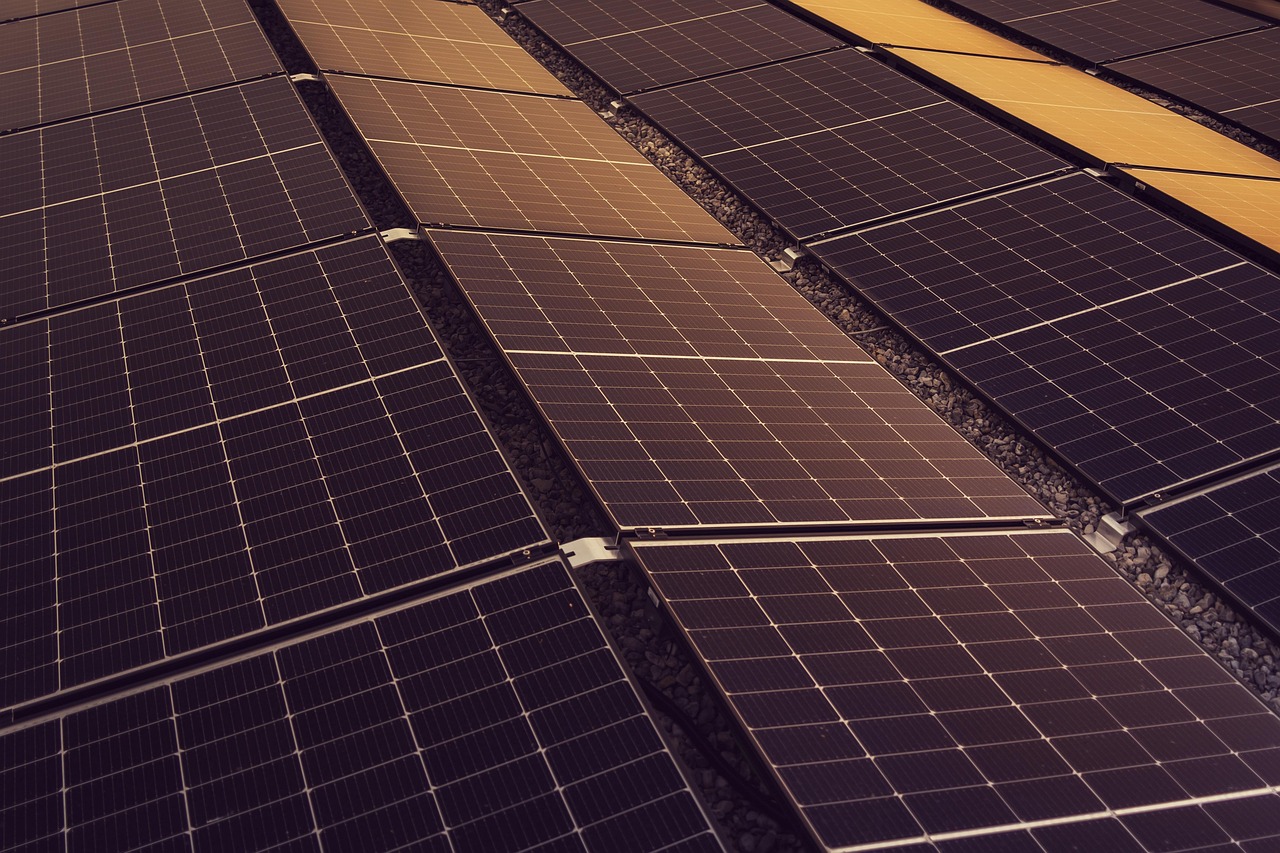
Photo from Pexels
Imagine a world where the sun always shines, the wind always blows, and the energy is always flowing. Sounds like a utopia, right? But, as we all know, the reality is far from it. The truth is, renewable energy sources like solar and wind are intermittent, and their output can vary greatly depending on the weather conditions. This is where the magic of renewable energy forecasting comes in. Welcome to this episode of the Professional Certificate in AI for Renewable Energy Forecasting, brought to you by Stanmore School of Business, or SSB for short.
As we delve into the fundamentals of renewable energy forecasting, let's take a step back and appreciate the journey that has brought us to where we are today. The concept of forecasting energy demand and supply has been around for decades, but it's only in recent years that we've seen a significant shift towards renewable energy sources. And with this shift, the importance of accurate forecasting has become more critical than ever. Think of it like trying to predict the weather, but instead of just checking the temperature and humidity, you're trying to forecast the exact amount of energy that will be generated from solar panels or wind turbines.
So, why is this unit so crucial for professionals in the energy sector? Well, for starters, accurate forecasting can help grid operators and utilities to better manage the supply and demand of energy, reducing the likelihood of power outages and grid instability. It can also help renewable energy operators to optimize their production, reducing costs and increasing efficiency. And, as we continue to transition towards a more sustainable and decentralized energy system, the role of forecasting will only become more vital.
Now, let's talk about some practical applications of renewable energy forecasting. Imagine you're a grid operator, and you need to decide how much energy to purchase from a solar farm on a given day. With accurate forecasting, you can make informed decisions, taking into account the weather conditions, the time of day, and the demand for energy. Or, let's say you're a renewable energy developer, and you're trying to determine the best location for a new wind farm. By analyzing historical weather data and forecasting models, you can identify the most suitable locations and optimize your project's design and layout.
Well, for starters, accurate forecasting can help grid operators and utilities to better manage the supply and demand of energy, reducing the likelihood of power outages and grid instability.
But, as with any complex system, there are common pitfalls to avoid. One of the biggest challenges in renewable energy forecasting is dealing with the uncertainty and variability of weather patterns. It's like trying to predict the exact path of a storm, but instead of just looking at the weather radar, you're trying to forecast the impact of that storm on energy production. Another challenge is integrating multiple data sources and models, from weather forecasts to energy demand forecasts, to create a comprehensive picture of the energy landscape.
So, what are some actionable strategies and tips that you can use in your own work or life? First, it's essential to stay up-to-date with the latest advancements in forecasting technologies and techniques. This could include attending conferences, webinars, or online courses, like the ones offered by Stanmore School of Business. Second, it's crucial to collaborate with other experts and stakeholders, sharing knowledge and best practices to improve forecasting accuracy. And third, it's vital to stay flexible and adaptable, being able to adjust your forecasting models and strategies as new data and insights become available.
As we conclude this episode, I want to leave you with an inspiring message. The future of energy is renewable, and the future of renewable energy is forecasting. By mastering the fundamentals of renewable energy forecasting, you can play a critical role in shaping the energy landscape of tomorrow. So, don't just listen to this episode and forget about it. Take action, apply what you've learned, and continue your journey of growth and discovery. And, if you haven't already, subscribe to our podcast, share it with your friends and colleagues, and engage with us on social media. Together, we can create a more sustainable and energy-efficient future, one forecast at a time. Thanks for tuning in, and we'll see you in the next episode, brought to you by Stanmore School of Business, or SSB.
Key takeaways
- Welcome to this episode of the Professional Certificate in AI for Renewable Energy Forecasting, brought to you by Stanmore School of Business, or SSB for short.
- Think of it like trying to predict the weather, but instead of just checking the temperature and humidity, you're trying to forecast the exact amount of energy that will be generated from solar panels or wind turbines.
- Well, for starters, accurate forecasting can help grid operators and utilities to better manage the supply and demand of energy, reducing the likelihood of power outages and grid instability.
- By analyzing historical weather data and forecasting models, you can identify the most suitable locations and optimize your project's design and layout.
- It's like trying to predict the exact path of a storm, but instead of just looking at the weather radar, you're trying to forecast the impact of that storm on energy production.
- And third, it's vital to stay flexible and adaptable, being able to adjust your forecasting models and strategies as new data and insights become available.
- By mastering the fundamentals of renewable energy forecasting, you can play a critical role in shaping the energy landscape of tomorrow.