
Robotic Technology in Physiotherapy Rehabilitation
Welcome to this episode of the Professional Certificate in AI in Physiotherapy Rehabilitation, a podcast brought to you by Stanmore School of Business, or SSB. Today, we're going to explore a topic that's revolutionizing the field of physio…
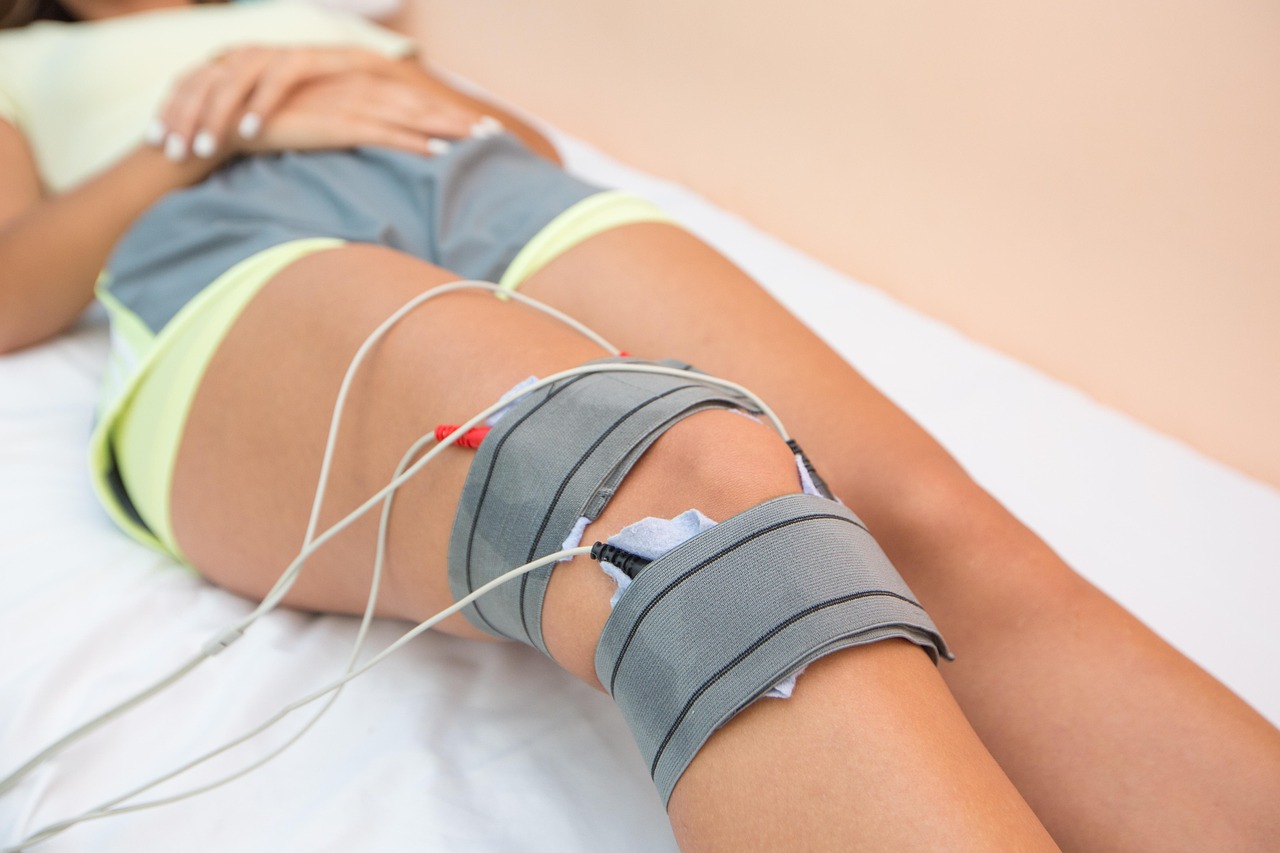
Photo from Pexels
Welcome to this episode of the Professional Certificate in AI in Physiotherapy Rehabilitation, a podcast brought to you by Stanmore School of Business, or SSB. Today, we're going to explore a topic that's revolutionizing the field of physiotherapy rehabilitation: Robotic Technology. Imagine a world where patients can recover from injuries and surgeries with the help of robots, machines that can provide personalized, precise, and repetitive therapy sessions. Sounds like science fiction, right? But the truth is, robotic technology has been around for decades, and its application in physiotherapy rehabilitation is becoming increasingly popular.
Let's take a step back and look at the history of robotic technology in physiotherapy rehabilitation. The first robotic systems were introduced in the 1980s, primarily used for industrial purposes. However, as technology advanced, researchers began to explore its potential in healthcare, particularly in rehabilitation. Fast forward to today, and we have robotic systems that can assist patients with physical therapy, occupational therapy, and even speech therapy. The evolution of robotic technology in physiotherapy rehabilitation has been remarkable, and its importance cannot be overstated.
So, why is robotic technology so crucial in physiotherapy rehabilitation? The answer lies in its ability to provide personalized, data-driven therapy sessions. Traditional physiotherapy methods rely heavily on human therapists, who, despite their best efforts, can be limited by their own strength, endurance, and subjective judgment. Robotic systems, on the other hand, can provide precise, repetitive, and consistent therapy sessions, tailored to each patient's specific needs. This not only improves patient outcomes but also reduces the workload of human therapists, allowing them to focus on more complex and high-value tasks.
Now, let's talk about some practical applications of robotic technology in physiotherapy rehabilitation. One exciting example is the use of robotic exoskeletons, which can assist patients with spinal cord injuries or stroke survivors to walk again. These exoskeletons are equipped with sensors and motors that work together to provide support and guidance, helping patients to regain their mobility and independence. Another example is the use of robotic arms, which can assist patients with upper limb injuries or conditions such as arthritis to perform daily activities like dressing, feeding, and grooming.
Another example is the use of robotic arms, which can assist patients with upper limb injuries or conditions such as arthritis to perform daily activities like dressing, feeding, and grooming.
As with any new technology, there are common pitfalls to avoid when implementing robotic technology in physiotherapy rehabilitation. One of the biggest challenges is ensuring that the technology is user-friendly and accessible to patients with varying levels of cognitive and physical abilities. Another challenge is integrating robotic systems with existing healthcare infrastructure, which can be complex and time-consuming. To overcome these challenges, it's essential to involve patients, therapists, and healthcare administrators in the design and development process, ensuring that the technology meets the needs of all stakeholders.
So, what can you do to apply the principles of robotic technology in physiotherapy rehabilitation in your own life or work? If you're a physiotherapist or healthcare professional, consider exploring the latest research and developments in robotic technology and how they can be integrated into your practice. If you're a patient or caregiver, don't be afraid to ask your healthcare provider about the potential benefits of robotic technology in your rehabilitation journey. And if you're simply interested in learning more, there are many online resources and courses available, including the Professional Certificate in AI in Physiotherapy Rehabilitation offered by Stanmore School of Business, or SSB.
As we conclude this episode, I want to leave you with an inspiring message: the future of physiotherapy rehabilitation is exciting, and it's being shaped by innovative technologies like robotic technology. By embracing these advancements, we can improve patient outcomes, enhance the quality of life, and create a more sustainable and effective healthcare system. So, don't be afraid to explore, learn, and adapt to the changing landscape of physiotherapy rehabilitation. And if you want to stay up-to-date with the latest developments and insights, be sure to subscribe to our podcast, share it with your network, and engage with us on social media. Thank you for tuning in, and we look forward to continuing this journey of growth and discovery with you, brought to you by Stanmore School of Business, or SSB.
Key takeaways
- Imagine a world where patients can recover from injuries and surgeries with the help of robots, machines that can provide personalized, precise, and repetitive therapy sessions.
- Fast forward to today, and we have robotic systems that can assist patients with physical therapy, occupational therapy, and even speech therapy.
- Traditional physiotherapy methods rely heavily on human therapists, who, despite their best efforts, can be limited by their own strength, endurance, and subjective judgment.
- Another example is the use of robotic arms, which can assist patients with upper limb injuries or conditions such as arthritis to perform daily activities like dressing, feeding, and grooming.
- To overcome these challenges, it's essential to involve patients, therapists, and healthcare administrators in the design and development process, ensuring that the technology meets the needs of all stakeholders.
- And if you're simply interested in learning more, there are many online resources and courses available, including the Professional Certificate in AI in Physiotherapy Rehabilitation offered by Stanmore School of Business, or SSB.
- As we conclude this episode, I want to leave you with an inspiring message: the future of physiotherapy rehabilitation is exciting, and it's being shaped by innovative technologies like robotic technology.