
Virtual Reality and Augmented Reality in Physiotherapy Rehabilitation
Welcome to this episode of the Professional Certificate in AI in Physiotherapy Rehabilitation, brought to you by Stanmore School of Business. Today, we're going to explore a fascinating topic that's changing the face of physiotherapy rehabi…
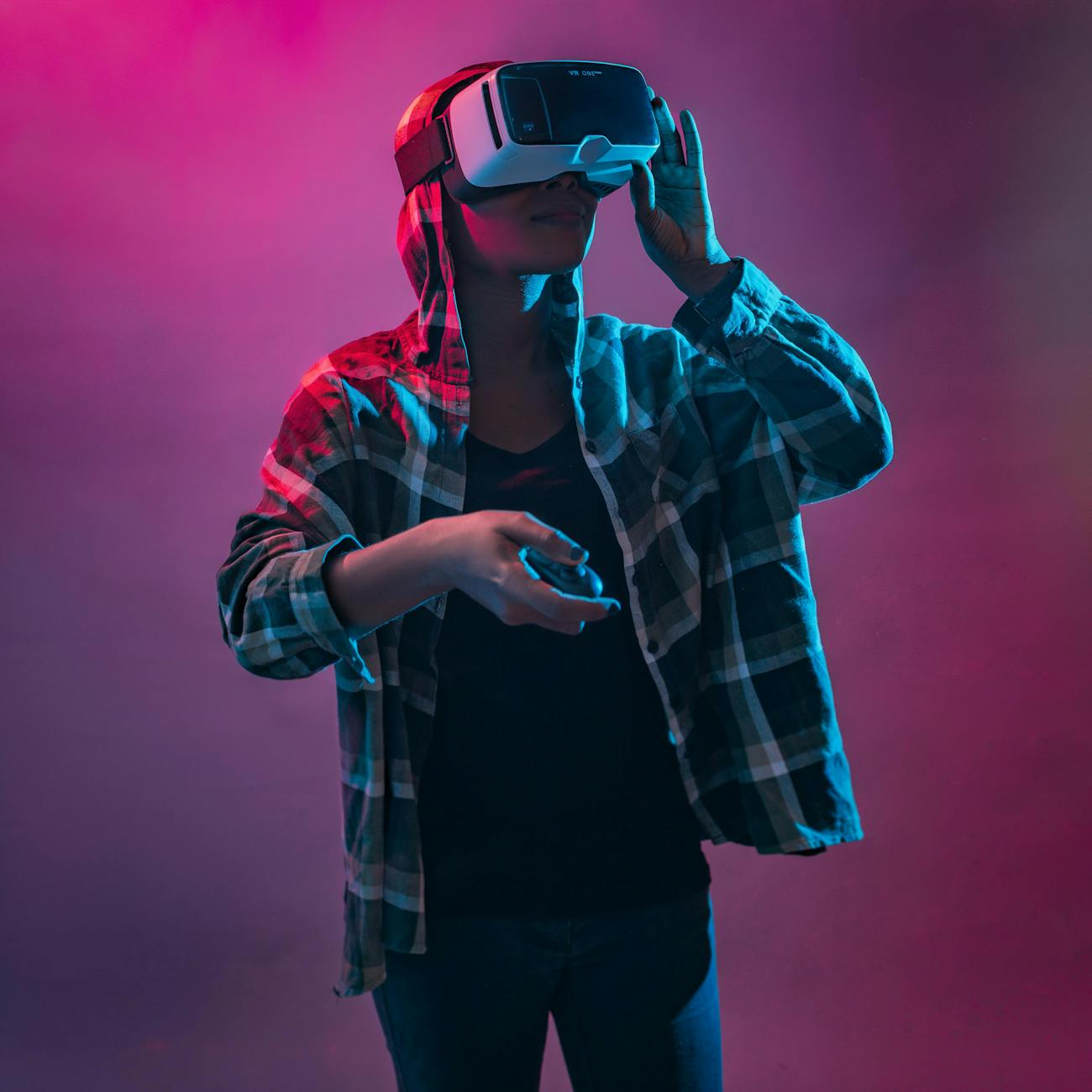
Photo from Pexels
Welcome to this episode of the Professional Certificate in AI in Physiotherapy Rehabilitation, brought to you by Stanmore School of Business. Today, we're going to explore a fascinating topic that's changing the face of physiotherapy rehabilitation - Virtual Reality and Augmented Reality. Imagine being able to immerse your patients in a completely new environment, one that's tailored to their specific needs and goals, and helps them recover faster and more effectively. This is the promise of Virtual Reality and Augmented Reality in physiotherapy rehabilitation, and it's an area that's been gaining momentum over the past few decades.
If we take a step back in time, we can see that the concept of using virtual environments for therapy dates back to the 1990s. However, it wasn't until the widespread adoption of smartphones and VR headsets that we started to see the real potential of this technology in physiotherapy. Today, we have a wide range of applications, from simple balance and coordination exercises to complex simulations that mimic real-world environments. The importance of this unit cannot be overstated, as it has the potential to revolutionize the way we approach physiotherapy rehabilitation.
So, how can you apply Virtual Reality and Augmented Reality in your own work or life? One of the most effective ways is to use VR headsets to create customized therapy plans for your patients. For example, if you're working with a patient who's recovering from a knee injury, you can create a virtual environment that simulates a series of exercises and movements that help to strengthen the knee and improve flexibility. The beauty of this approach is that it's highly engaging and interactive, which can help to increase patient motivation and adherence to their therapy plan.
Another area where Virtual Reality and Augmented Reality are making a big impact is in the treatment of chronic pain. By using VR to create a virtual environment that's tailored to the patient's specific needs, you can help to reduce their perception of pain and improve their overall quality of life. This is just one example of the many ways in which Virtual Reality and Augmented Reality are being used in physiotherapy rehabilitation, and it's an area that's full of exciting possibilities and opportunities.
Now, I know that some of you may be thinking, "But isn't this technology expensive and complicated to use?" And yes, it's true that some of the more advanced VR headsets and equipment can be pricey. However, there are many affordable options available, and the cost is decreasing all the time. Additionally, there are many online resources and tutorials that can help you get started with using Virtual Reality and Augmented Reality in your practice.
This is just one example of the many ways in which Virtual Reality and Augmented Reality are being used in physiotherapy rehabilitation, and it's an area that's full of exciting possibilities and opportunities.
One common pitfall to avoid is trying to use Virtual Reality and Augmented Reality as a replacement for traditional therapy methods. While these technologies have a lot to offer, they should be used in conjunction with other approaches, not instead of them. By combining Virtual Reality and Augmented Reality with traditional methods, you can create a comprehensive and effective therapy plan that addresses all of your patient's needs.
As we conclude this episode, I want to leave you with a sense of excitement and possibility. The potential of Virtual Reality and Augmented Reality in physiotherapy rehabilitation is vast, and it's an area that's waiting to be explored and developed. I encourage you to think creatively about how you can apply these technologies in your own work or life, and to stay tuned for future episodes where we'll be exploring more topics related to AI in physiotherapy rehabilitation.
If you're enjoying this podcast, please subscribe and share it with your friends and colleagues. You can also engage with us on social media by using the hashtag #SSB, and by joining our community of learners at Stanmore School of Business. By working together and sharing our knowledge and expertise, we can create a brighter future for physiotherapy rehabilitation, and make a real difference in the lives of our patients. Thanks for listening, and we'll see you in the next episode!
Key takeaways
- Imagine being able to immerse your patients in a completely new environment, one that's tailored to their specific needs and goals, and helps them recover faster and more effectively.
- However, it wasn't until the widespread adoption of smartphones and VR headsets that we started to see the real potential of this technology in physiotherapy.
- For example, if you're working with a patient who's recovering from a knee injury, you can create a virtual environment that simulates a series of exercises and movements that help to strengthen the knee and improve flexibility.
- This is just one example of the many ways in which Virtual Reality and Augmented Reality are being used in physiotherapy rehabilitation, and it's an area that's full of exciting possibilities and opportunities.
- Additionally, there are many online resources and tutorials that can help you get started with using Virtual Reality and Augmented Reality in your practice.
- By combining Virtual Reality and Augmented Reality with traditional methods, you can create a comprehensive and effective therapy plan that addresses all of your patient's needs.
- I encourage you to think creatively about how you can apply these technologies in your own work or life, and to stay tuned for future episodes where we'll be exploring more topics related to AI in physiotherapy rehabilitation.