
Introduction to AI and Renewable Energy
Welcome to this exciting episode of the Stanmore School of Business podcast, where we're exploring the fascinating world of artificial intelligence and its revolutionary impact on renewable energy. I'm your host, and I'm thrilled to dive in…
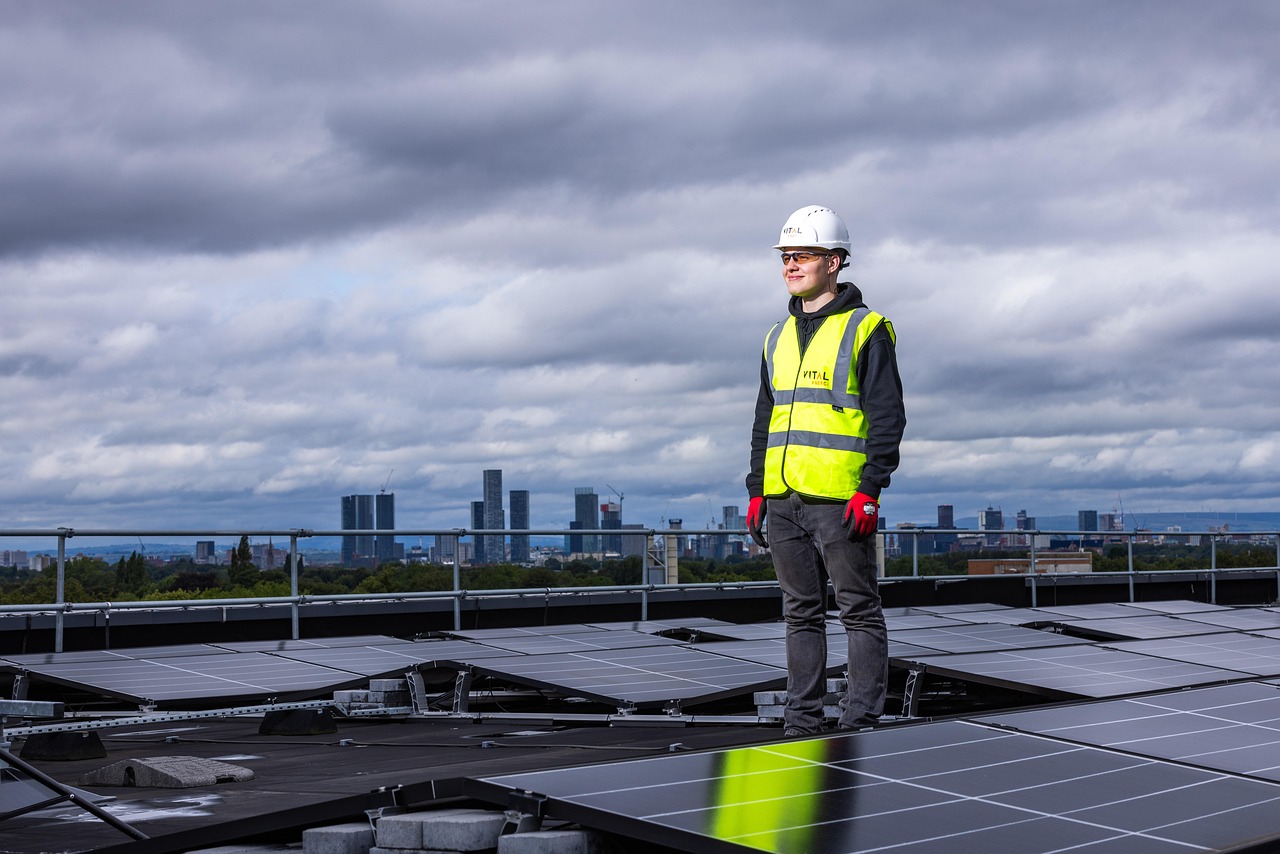
Photo from Pexels
Welcome to this exciting episode of the Stanmore School of Business podcast, where we're exploring the fascinating world of artificial intelligence and its revolutionary impact on renewable energy. I'm your host, and I'm thrilled to dive into the topic of Introduction to AI and Renewable Energy, a crucial unit in our Professional Certificate in AI Applications for Renewable Energy, specifically designed for the Saudi Arabia market.
As we embark on this journey, let's take a step back and appreciate the remarkable evolution of renewable energy. From the early days of solar panels and wind turbines to the current era of smart grids and energy storage, the industry has come a long way. But what's truly exciting is the convergence of artificial intelligence and renewable energy, which is transforming the way we generate, distribute, and consume energy. This union is not only helping us reduce our carbon footprint but also creating new opportunities for sustainable growth and development.
The importance of Introduction to AI and Renewable Energy cannot be overstated, especially in regions like Saudi Arabia, where the demand for energy is on the rise. By leveraging AI, we can optimize energy production, predict energy demand, and improve grid management. For instance, AI-powered predictive analytics can help forecast energy demand, enabling utilities to adjust their supply accordingly, reducing waste and improving overall efficiency. Moreover, AI-driven monitoring systems can detect potential issues in real-time, allowing for swift maintenance and minimizing downtime.
Now, let's talk about some practical applications of Introduction to AI and Renewable Energy. One of the most significant advantages of AI in renewable energy is its ability to analyze vast amounts of data, identifying patterns and trends that can inform decision-making. For example, AI can help optimize the performance of solar panels or wind turbines by analyzing data on weather patterns, temperature, and other environmental factors. This can lead to significant improvements in energy production and reduced maintenance costs.
However, as with any new technology, there are common pitfalls to avoid. One of the biggest challenges is the lack of standardization in AI systems, which can make it difficult to integrate them with existing infrastructure. Another challenge is the need for high-quality data, which can be time-consuming and expensive to collect. To overcome these challenges, it's essential to invest in robust data management systems and collaborate with industry experts who can provide guidance on AI implementation.
For instance, AI-powered predictive analytics can help forecast energy demand, enabling utilities to adjust their supply accordingly, reducing waste and improving overall efficiency.
As we continue on this journey, it's essential to remember that the applications of Introduction to AI and Renewable Energy are vast and varied. From smart homes to smart cities, AI is revolutionizing the way we interact with energy. For instance, AI-powered smart thermostats can learn a household's energy usage patterns and adjust the temperature accordingly, saving energy and reducing waste. Similarly, AI-driven smart grids can optimize energy distribution, reducing power outages and improving overall efficiency.
As we conclude this episode, I want to leave you with an inspiring message. The future of energy is not just about technology; it's about people, planet, and prosperity. By embracing AI and renewable energy, we can create a more sustainable, equitable, and connected world. So, I encourage you to apply what you've learned today, to explore the many resources available on the Stanmore School of Business website, and to continue your journey of growth and discovery.
If you've enjoyed this episode, please subscribe to our podcast, share it with your friends and colleagues, and engage with us on social media. At Stanmore School of Business, we're committed to providing you with the knowledge, skills, and inspiration you need to succeed in the rapidly evolving world of AI and renewable energy. Thank you for joining me on this exciting journey, and I look forward to exploring more topics with you in the future.
Key takeaways
- I'm your host, and I'm thrilled to dive into the topic of Introduction to AI and Renewable Energy, a crucial unit in our Professional Certificate in AI Applications for Renewable Energy, specifically designed for the Saudi Arabia market.
- But what's truly exciting is the convergence of artificial intelligence and renewable energy, which is transforming the way we generate, distribute, and consume energy.
- For instance, AI-powered predictive analytics can help forecast energy demand, enabling utilities to adjust their supply accordingly, reducing waste and improving overall efficiency.
- One of the most significant advantages of AI in renewable energy is its ability to analyze vast amounts of data, identifying patterns and trends that can inform decision-making.
- To overcome these challenges, it's essential to invest in robust data management systems and collaborate with industry experts who can provide guidance on AI implementation.
- For instance, AI-powered smart thermostats can learn a household's energy usage patterns and adjust the temperature accordingly, saving energy and reducing waste.
- So, I encourage you to apply what you've learned today, to explore the many resources available on the Stanmore School of Business website, and to continue your journey of growth and discovery.