
AI Applications in Solar Energy
Welcome to this episode of the Professional Certificate in AI Applications for Renewable Energy, a podcast produced by Stanmore School of Business, or SSB, where we explore the exciting world of artificial intelligence and its applications …
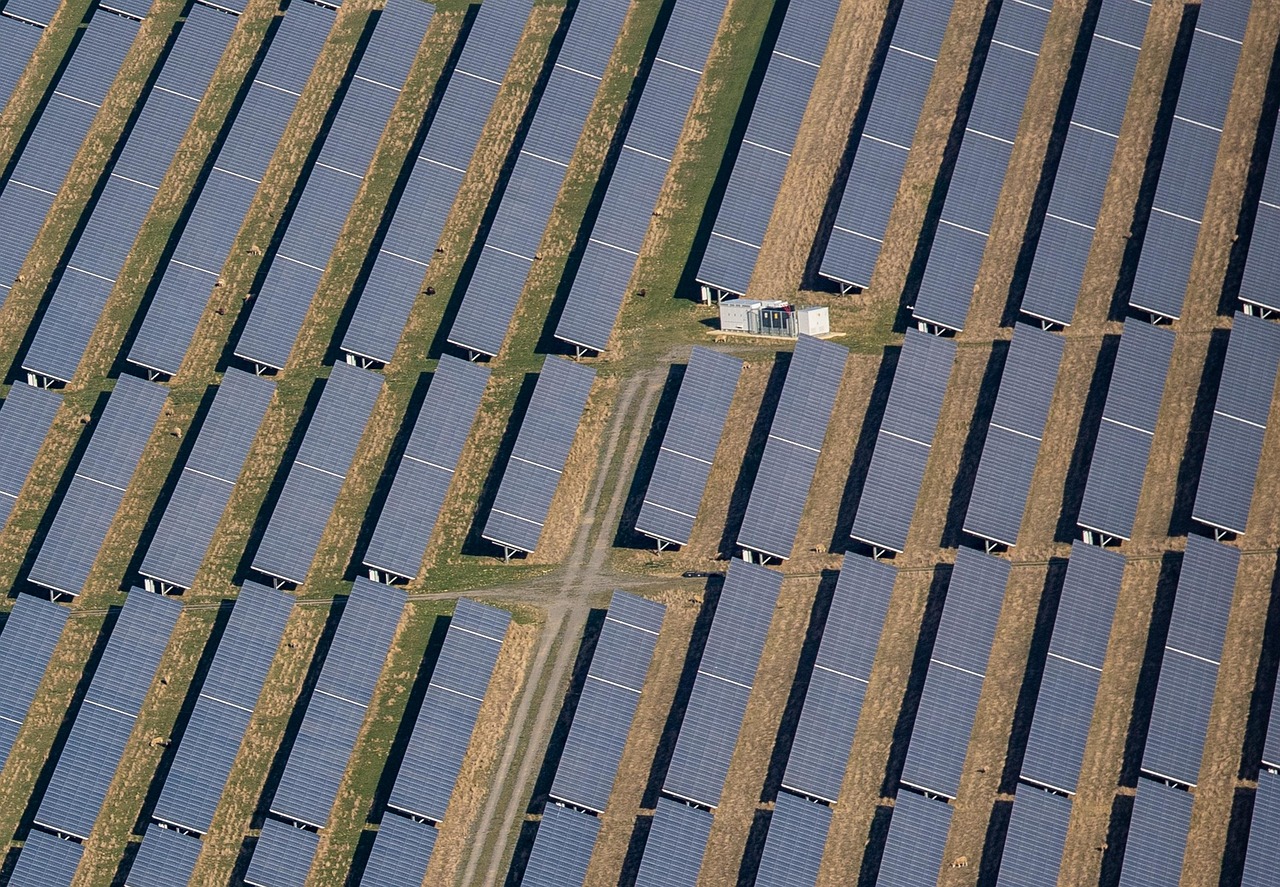
Photo from Pexels
Welcome to this episode of the Professional Certificate in AI Applications for Renewable Energy, a podcast produced by Stanmore School of Business, or SSB, where we explore the exciting world of artificial intelligence and its applications in renewable energy. I'm your host, and today we're going to dive into the fascinating realm of AI Applications in Solar Energy. As the world shifts towards cleaner and more sustainable sources of energy, the importance of harnessing solar power has never been more pressing. But have you ever wondered how artificial intelligence is revolutionizing the way we generate, distribute, and consume solar energy?
To set the stage, let's take a brief look at the history of solar energy. From the early experiments with photovoltaic cells in the 19th century to the modern-day solar panels that power homes, businesses, and even entire cities, the technology has come a long way. However, with the increasing demand for renewable energy, the industry faces new challenges, such as optimizing energy output, predicting energy demand, and ensuring grid stability. This is where AI comes in – by leveraging machine learning algorithms, data analytics, and IoT sensors, we can unlock the full potential of solar energy and create a more efficient, sustainable, and connected energy ecosystem.
So, how exactly are AI applications transforming the solar energy landscape? For starters, AI-powered predictive maintenance can help identify potential issues with solar panels and inverters before they become major problems, reducing downtime and increasing overall energy output. Additionally, AI-driven forecasting tools can accurately predict energy demand and supply, enabling utilities and grid operators to make informed decisions about energy distribution and storage. And with the rise of smart grids and IoT sensors, AI can help optimize energy consumption patterns, detect energy-wasting behaviors, and provide personalized recommendations for energy efficiency.
But what about the practical applications of AI in solar energy? Let's consider a real-world example. Imagine a solar farm in the desert, where temperatures can soar and energy output can fluctuate wildly. By deploying AI-powered monitoring systems, the farm operators can detect anomalies in energy production, adjust the panel angles and orientations for maximum energy output, and even predict when maintenance is required. This not only increases energy efficiency but also reduces maintenance costs and extends the lifespan of the solar panels.
By deploying AI-powered monitoring systems, the farm operators can detect anomalies in energy production, adjust the panel angles and orientations for maximum energy output, and even predict when maintenance is required.
Of course, as with any emerging technology, there are common pitfalls to avoid. One of the biggest challenges is data quality – AI algorithms are only as good as the data they're trained on, so it's essential to ensure that the data is accurate, complete, and relevant. Another pitfall is the lack of standardization in AI applications, which can make it difficult to integrate different systems and technologies. To overcome these challenges, it's crucial to invest in high-quality data infrastructure, collaborate with industry partners and experts, and stay up-to-date with the latest developments and best practices in AI and solar energy.
As we conclude this episode, I want to leave you with an inspiring message. The future of renewable energy is exciting, and the potential for AI applications in solar energy is vast. By applying the knowledge and insights you've gained from this episode, you can contribute to a more sustainable, efficient, and connected energy ecosystem. So, what can you do next? Subscribe to our podcast, produced by Stanmore School of Business, or SSB, to stay updated on the latest developments in AI and renewable energy. Share this episode with your friends, family, and colleagues who are passionate about sustainability and innovation. And most importantly, take action – explore how you can apply AI applications in your own work or life, and join the journey towards a cleaner, greener, and more sustainable future.
Thanks for tuning in to this episode of the Professional Certificate in AI Applications for Renewable Energy, and we look forward to having you join us on the next episode, where we'll explore more exciting topics and innovations in the world of AI and renewable energy. Until then, stay curious, keep learning, and remember – the future of energy is in your hands.
Key takeaways
- As the world shifts towards cleaner and more sustainable sources of energy, the importance of harnessing solar power has never been more pressing.
- This is where AI comes in – by leveraging machine learning algorithms, data analytics, and IoT sensors, we can unlock the full potential of solar energy and create a more efficient, sustainable, and connected energy ecosystem.
- For starters, AI-powered predictive maintenance can help identify potential issues with solar panels and inverters before they become major problems, reducing downtime and increasing overall energy output.
- By deploying AI-powered monitoring systems, the farm operators can detect anomalies in energy production, adjust the panel angles and orientations for maximum energy output, and even predict when maintenance is required.
- To overcome these challenges, it's crucial to invest in high-quality data infrastructure, collaborate with industry partners and experts, and stay up-to-date with the latest developments and best practices in AI and solar energy.
- And most importantly, take action – explore how you can apply AI applications in your own work or life, and join the journey towards a cleaner, greener, and more sustainable future.
- Until then, stay curious, keep learning, and remember – the future of energy is in your hands.