
Wind Energy Analysis using AI
Welcome to this episode of the Professional Certificate in AI Applications for Renewable Energy, a podcast produced by Stanmore School of Business, or SSB. I'm your host, and I'm excited to dive into one of the most fascinating topics in th…
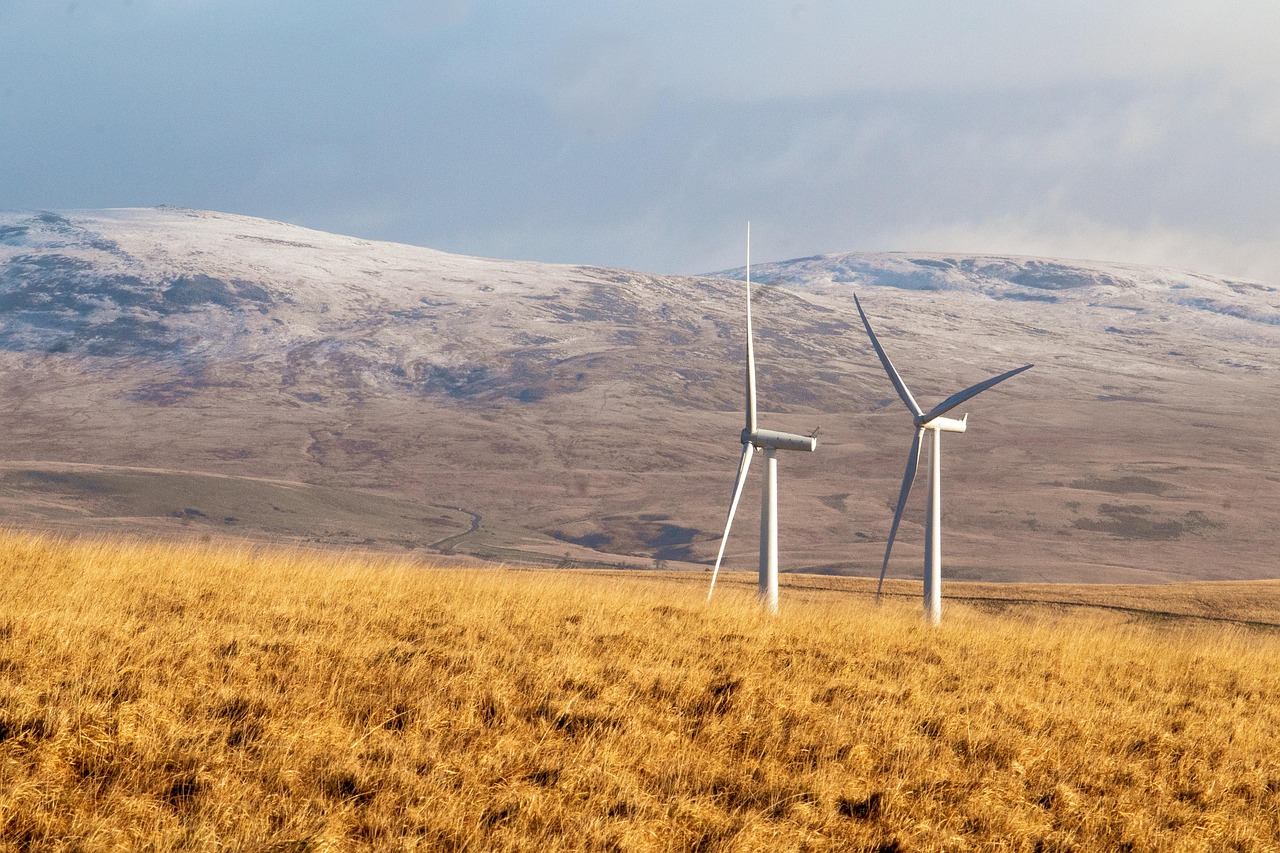
Photo from Pexels
Welcome to this episode of the Professional Certificate in AI Applications for Renewable Energy, a podcast produced by Stanmore School of Business, or SSB. I'm your host, and I'm excited to dive into one of the most fascinating topics in the field of renewable energy: Wind Energy Analysis using AI. As we explore this unit, you'll discover how artificial intelligence is revolutionizing the way we harness wind energy, making it more efficient, reliable, and sustainable.
Let's take a step back and look at the history of wind energy. From the ancient windmills of Persia to the modern wind farms of today, wind energy has come a long way. In the 1980s, wind energy started to gain traction as a viable source of renewable energy, but it wasn't until the 2000s that advancements in technology and materials science made large-scale wind farms a reality. Fast forward to today, and we're seeing a new wave of innovation, driven by the power of artificial intelligence.
So, what is Wind Energy Analysis using AI, and why is it so important? In simple terms, it's the use of machine learning algorithms and data analytics to optimize wind energy production, predict energy output, and reduce maintenance costs. By analyzing vast amounts of data from wind turbines, weather stations, and other sources, AI can identify patterns and trends that human analysts might miss. This enables wind farm operators to make data-driven decisions, streamline their operations, and ultimately, produce more clean energy.
Now, let's talk about some practical applications of Wind Energy Analysis using AI. Imagine being able to predict energy output with pinpoint accuracy, allowing you to schedule maintenance and optimize energy trading. Or, picture a system that can detect early signs of turbine failure, enabling you to take proactive measures and avoid costly downtime. These are just a few examples of how AI is transforming the wind energy industry.
But, as with any new technology, there are also potential pitfalls to watch out for. One common mistake is relying too heavily on historical data, without considering the impact of changing weather patterns or new turbine technologies. Another pitfall is failing to integrate AI systems with existing infrastructure, resulting in inefficiencies and lost opportunities. To avoid these mistakes, it's essential to take a holistic approach, considering the entire value chain, from data collection to decision-making.
In simple terms, it's the use of machine learning algorithms and data analytics to optimize wind energy production, predict energy output, and reduce maintenance costs.
So, what can you do to apply these insights in your own work or life? Start by exploring the many AI-powered tools and platforms available for wind energy analysis. Look for opportunities to collaborate with data scientists, engineers, and other experts to develop innovative solutions. And, don't be afraid to experiment and try new approaches – after all, that's what innovation is all about.
As we conclude this episode, I want to leave you with a message of inspiration and encouragement. The future of renewable energy is bright, and the potential for AI to drive positive change is vast. By applying the knowledge and skills you've gained from this podcast, you can make a real difference in the world. So, go ahead, take the next step on your journey of growth, and join the community of professionals who are shaping the future of energy.
If you enjoyed this episode, be sure to subscribe to our podcast, produced by Stanmore School of Business, or SSB, and share it with your friends and colleagues. Join the conversation on social media, using the hashtag #AIforRenewableEnergy, and let's keep the momentum going. Thanks for listening, and we'll see you in the next episode!
Key takeaways
- As we explore this unit, you'll discover how artificial intelligence is revolutionizing the way we harness wind energy, making it more efficient, reliable, and sustainable.
- In the 1980s, wind energy started to gain traction as a viable source of renewable energy, but it wasn't until the 2000s that advancements in technology and materials science made large-scale wind farms a reality.
- In simple terms, it's the use of machine learning algorithms and data analytics to optimize wind energy production, predict energy output, and reduce maintenance costs.
- Or, picture a system that can detect early signs of turbine failure, enabling you to take proactive measures and avoid costly downtime.
- One common mistake is relying too heavily on historical data, without considering the impact of changing weather patterns or new turbine technologies.
- Look for opportunities to collaborate with data scientists, engineers, and other experts to develop innovative solutions.
- So, go ahead, take the next step on your journey of growth, and join the community of professionals who are shaping the future of energy.