
Energy Forecasting using AI
Welcome to this episode of the Stanmore School of Business podcast, where we're exploring the exciting world of artificial intelligence and its applications in renewable energy resources. I'm your host, and I'm thrilled to dive into one of …
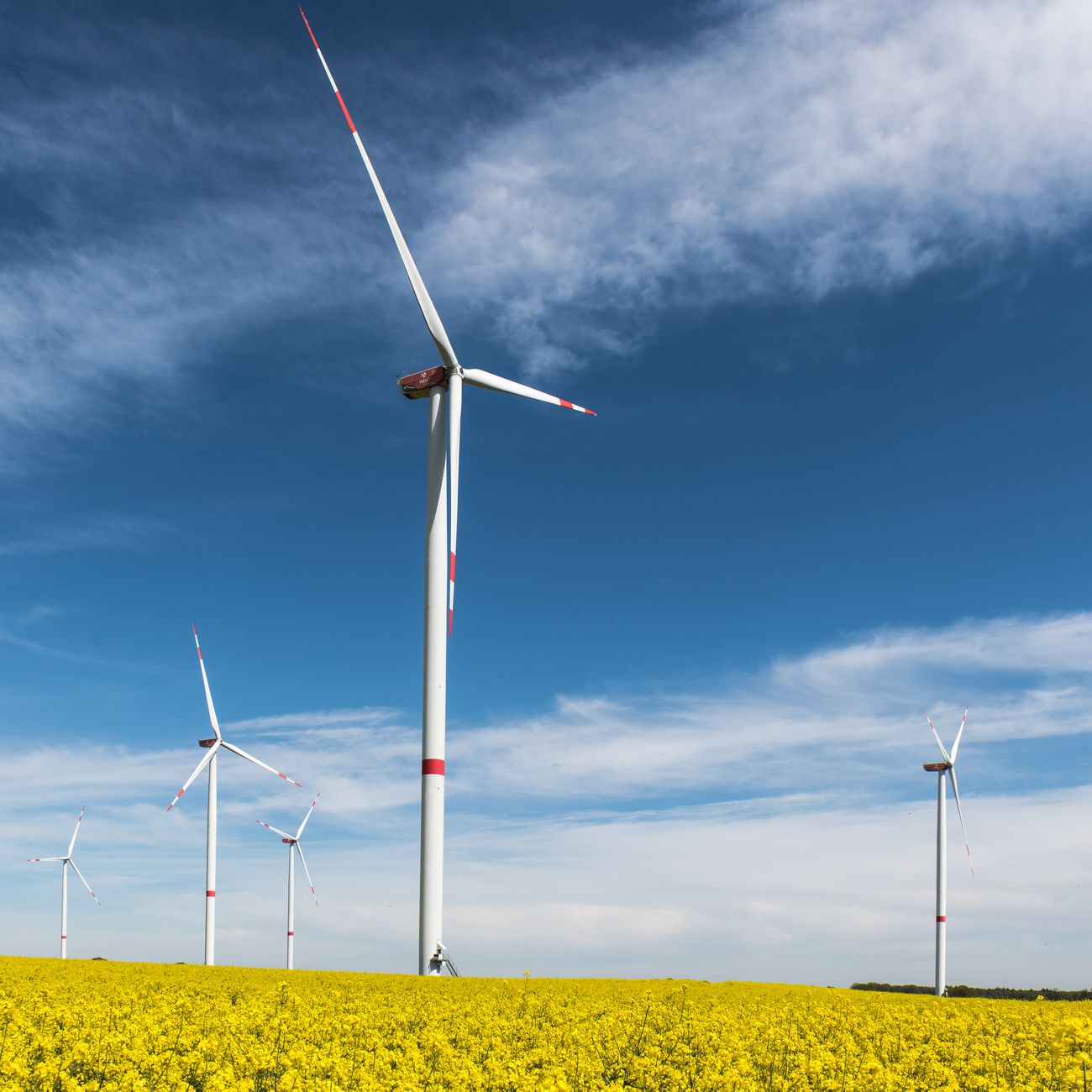
Photo from Pexels
Welcome to this episode of the Stanmore School of Business podcast, where we're exploring the exciting world of artificial intelligence and its applications in renewable energy resources. I'm your host, and I'm thrilled to dive into one of the most critical topics in this field: Energy Forecasting using AI. As part of the Graduate Certificate in AI Applications for Renewable Energy Resources, this unit is designed to equip you with the knowledge and skills to harness the power of AI in predicting energy demand and supply.
Let's take a step back and look at the evolution of energy forecasting. Just a few decades ago, predicting energy demand was a tedious and often inaccurate process, relying on manual calculations and historical data. But with the advent of AI and machine learning, the game has changed. Today, we can analyze vast amounts of data, identify patterns, and make predictions with unprecedented accuracy. This is crucial, as it enables us to optimize energy production, reduce waste, and create a more sustainable future.
So, how does Energy Forecasting using AI work? Essentially, it involves training machine learning models on historical data, such as weather patterns, energy consumption, and other factors that influence energy demand. These models can then predict energy demand with remarkable accuracy, allowing utilities, grid operators, and renewable energy providers to make informed decisions about energy production and distribution.
But what are the practical applications of Energy Forecasting using AI? Let's consider a real-world example. Suppose you're a renewable energy provider, and you need to predict energy demand for the next day. Using AI-powered forecasting tools, you can analyze historical data, weather forecasts, and other factors to predict energy demand with high accuracy. This enables you to adjust your energy production accordingly, ensuring that you're meeting demand while minimizing waste and reducing your environmental impact.
Now, let's talk about some actionable strategies and tips that you can apply in your own life or work. First, it's essential to understand the importance of data quality and availability. The accuracy of your predictions depends on the quality of your data, so it's crucial to invest in data collection and analysis. Second, don't be afraid to experiment with different machine learning models and algorithms to find what works best for your specific use case. And third, consider integrating Energy Forecasting with other AI applications, such as predictive maintenance or energy storage optimization, to create a comprehensive energy management system.
These models can then predict energy demand with remarkable accuracy, allowing utilities, grid operators, and renewable energy providers to make informed decisions about energy production and distribution.
Of course, there are also common pitfalls to avoid. One of the most significant challenges is overfitting or underfitting your machine learning models, which can lead to inaccurate predictions. To avoid this, it's essential to regularly monitor and update your models, ensuring that they remain accurate and relevant. Another pitfall is failing to consider external factors, such as policy changes or extreme weather events, which can significantly impact energy demand. By being aware of these potential pitfalls, you can take steps to mitigate them and ensure that your Energy Forecasting system remains effective.
As we conclude this episode, I want to leave you with an inspiring message. The potential of Energy Forecasting using AI is vast, and it has the power to transform the way we produce, distribute, and consume energy. By applying the knowledge and skills you've gained from this unit, you can contribute to a more sustainable future and make a real impact in the world. So, I encourage you to continue your journey of growth, to experiment with new ideas, and to push the boundaries of what's possible.
If you've enjoyed this episode, please subscribe to our podcast, share it with your friends and colleagues, and engage with us on social media. At Stanmore School of Business, we're committed to providing you with the knowledge, skills, and inspiration you need to succeed in the exciting field of AI and renewable energy. So, stay tuned for more episodes, and let's continue to explore the limitless possibilities of AI together. Thank you for listening, and we look forward to connecting with you again soon.
Key takeaways
- As part of the Graduate Certificate in AI Applications for Renewable Energy Resources, this unit is designed to equip you with the knowledge and skills to harness the power of AI in predicting energy demand and supply.
- Just a few decades ago, predicting energy demand was a tedious and often inaccurate process, relying on manual calculations and historical data.
- These models can then predict energy demand with remarkable accuracy, allowing utilities, grid operators, and renewable energy providers to make informed decisions about energy production and distribution.
- This enables you to adjust your energy production accordingly, ensuring that you're meeting demand while minimizing waste and reducing your environmental impact.
- And third, consider integrating Energy Forecasting with other AI applications, such as predictive maintenance or energy storage optimization, to create a comprehensive energy management system.
- Another pitfall is failing to consider external factors, such as policy changes or extreme weather events, which can significantly impact energy demand.
- By applying the knowledge and skills you've gained from this unit, you can contribute to a more sustainable future and make a real impact in the world.