
Distributed Energy Resources Management
Imagine a world where energy is no longer a limited resource, but a abundant and accessible one, where the air is clean, and the planet is thriving. This is the vision that the Graduate Certificate in AI Applications for Renewable Energy Re…
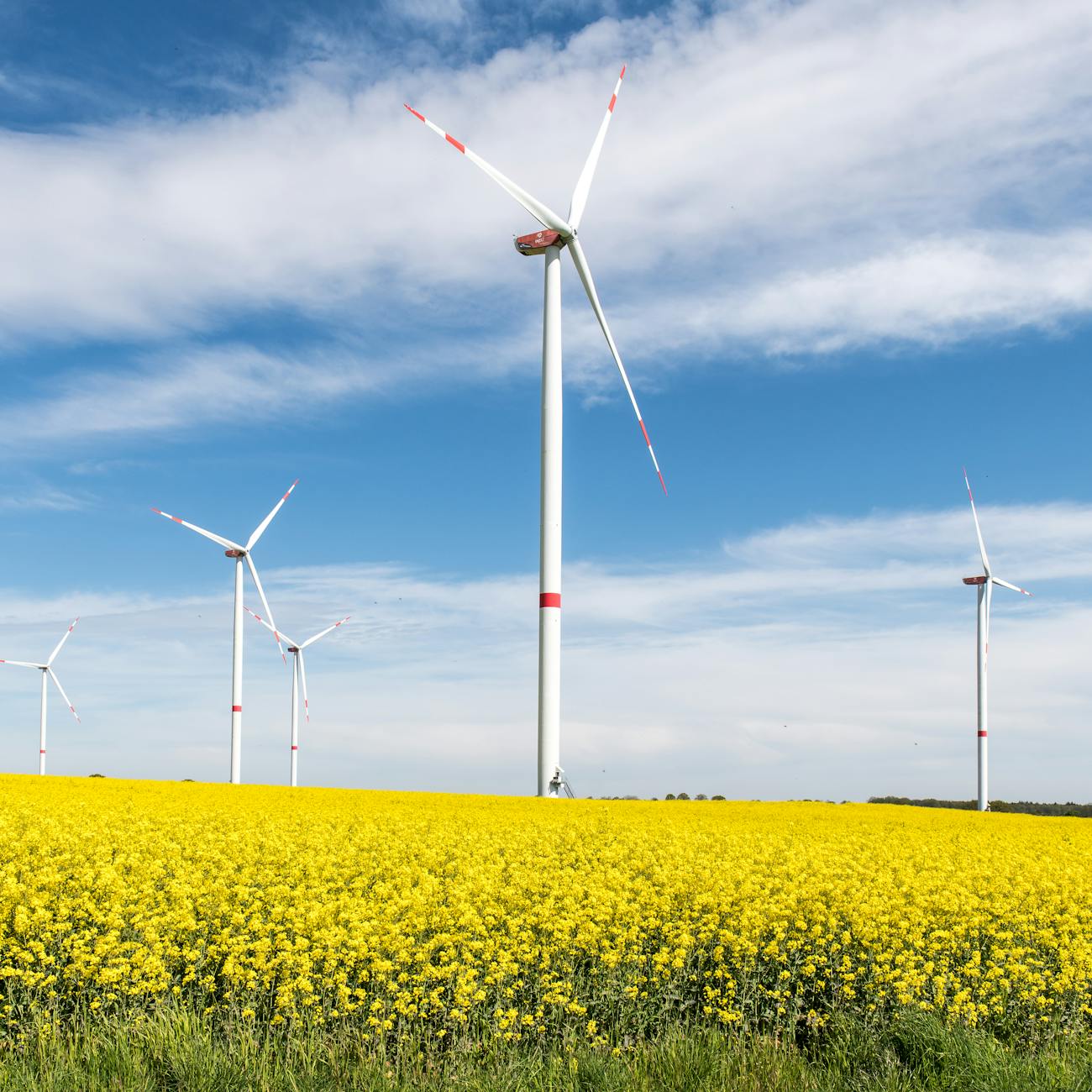
Photo from Pexels
Imagine a world where energy is no longer a limited resource, but a abundant and accessible one, where the air is clean, and the planet is thriving. This is the vision that the Graduate Certificate in AI Applications for Renewable Energy Resources at Stanmore School of Business is working towards, and today we're going to dive into one of the most critical components of achieving this vision: Distributed Energy Resources Management.
As we explore this topic, you'll discover how it has evolved over the years, from the traditional centralized power plants to the modern decentralized systems that are revolutionizing the way we generate, distribute, and consume energy. The journey of Distributed Energy Resources Management began several decades ago, when the first solar panels and wind turbines were introduced, but it wasn't until the advent of smart grids, IoT devices, and advanced data analytics that we started to see the true potential of distributed energy resources.
At Stanmore School of Business, we believe that understanding Distributed Energy Resources Management is crucial for anyone looking to make a meaningful impact in the renewable energy sector. This unit is designed to equip you with the knowledge and skills necessary to navigate the complex landscape of distributed energy resources, from rooftop solar to community wind farms, and from energy storage systems to electric vehicle charging infrastructure.
So, what does Distributed Energy Resources Management really mean, and how can you apply it in your own life or work? Let's consider a simple example. Imagine you're a homeowner who has just installed solar panels on your roof. You're now generating your own clean energy, but you're also feeding excess energy back into the grid. This is a classic example of a distributed energy resource, and managing it effectively requires a deep understanding of the technical, economic, and regulatory factors at play.
One of the key challenges in Distributed Energy Resources Management is balancing supply and demand in real-time. This is where AI and machine learning come in, helping to predict energy demand, optimize energy supply, and detect potential issues before they occur. At Stanmore School of Business, we're committed to staying at the forefront of these developments, and our Graduate Certificate in AI Applications for Renewable Energy Resources is designed to give you the skills and knowledge you need to succeed in this rapidly evolving field.
At Stanmore School of Business, we believe that understanding Distributed Energy Resources Management is crucial for anyone looking to make a meaningful impact in the renewable energy sector.
As you delve deeper into Distributed Energy Resources Management, you'll encounter common pitfalls such as inadequate data quality, insufficient grid infrastructure, and regulatory barriers. But don't worry, we've got solutions for these challenges too. For instance, investing in high-quality data analytics tools, collaborating with grid operators and regulators, and staying up-to-date with the latest policy developments can all help to overcome these obstacles.
So, what can you do to apply what you've learned today? Start by assessing your own energy usage and exploring ways to reduce your carbon footprint. Consider investing in renewable energy sources, such as solar or wind power, and look into energy storage options like batteries. You can also get involved in your local community, advocating for policies that support distributed energy resources and promoting education and awareness about the benefits of renewable energy.
As we conclude this episode, I want to leave you with a sense of excitement and purpose. The future of energy is distributed, decentralized, and driven by renewable sources. At Stanmore School of Business, we're committed to empowering the next generation of leaders in the renewable energy sector, and we invite you to join us on this journey. If you've enjoyed this episode, please subscribe to our podcast, share it with your friends and colleagues, and engage with us on social media. Together, let's create a cleaner, greener, and more sustainable future for all. Thank you for tuning in, and we look forward to welcoming you to the Stanmore School of Business community.
Key takeaways
- Imagine a world where energy is no longer a limited resource, but a abundant and accessible one, where the air is clean, and the planet is thriving.
- As we explore this topic, you'll discover how it has evolved over the years, from the traditional centralized power plants to the modern decentralized systems that are revolutionizing the way we generate, distribute, and consume energy.
- At Stanmore School of Business, we believe that understanding Distributed Energy Resources Management is crucial for anyone looking to make a meaningful impact in the renewable energy sector.
- This is a classic example of a distributed energy resource, and managing it effectively requires a deep understanding of the technical, economic, and regulatory factors at play.
- This is where AI and machine learning come in, helping to predict energy demand, optimize energy supply, and detect potential issues before they occur.
- For instance, investing in high-quality data analytics tools, collaborating with grid operators and regulators, and staying up-to-date with the latest policy developments can all help to overcome these obstacles.
- You can also get involved in your local community, advocating for policies that support distributed energy resources and promoting education and awareness about the benefits of renewable energy.