
Cybersecurity for Renewable Energy Systems
Imagine a world where the sun always shines, the wind always blows, and the energy is always flowing, but beneath the surface, a silent threat lurks, waiting to disrupt the delicate balance of our renewable energy systems. Welcome to the wo…
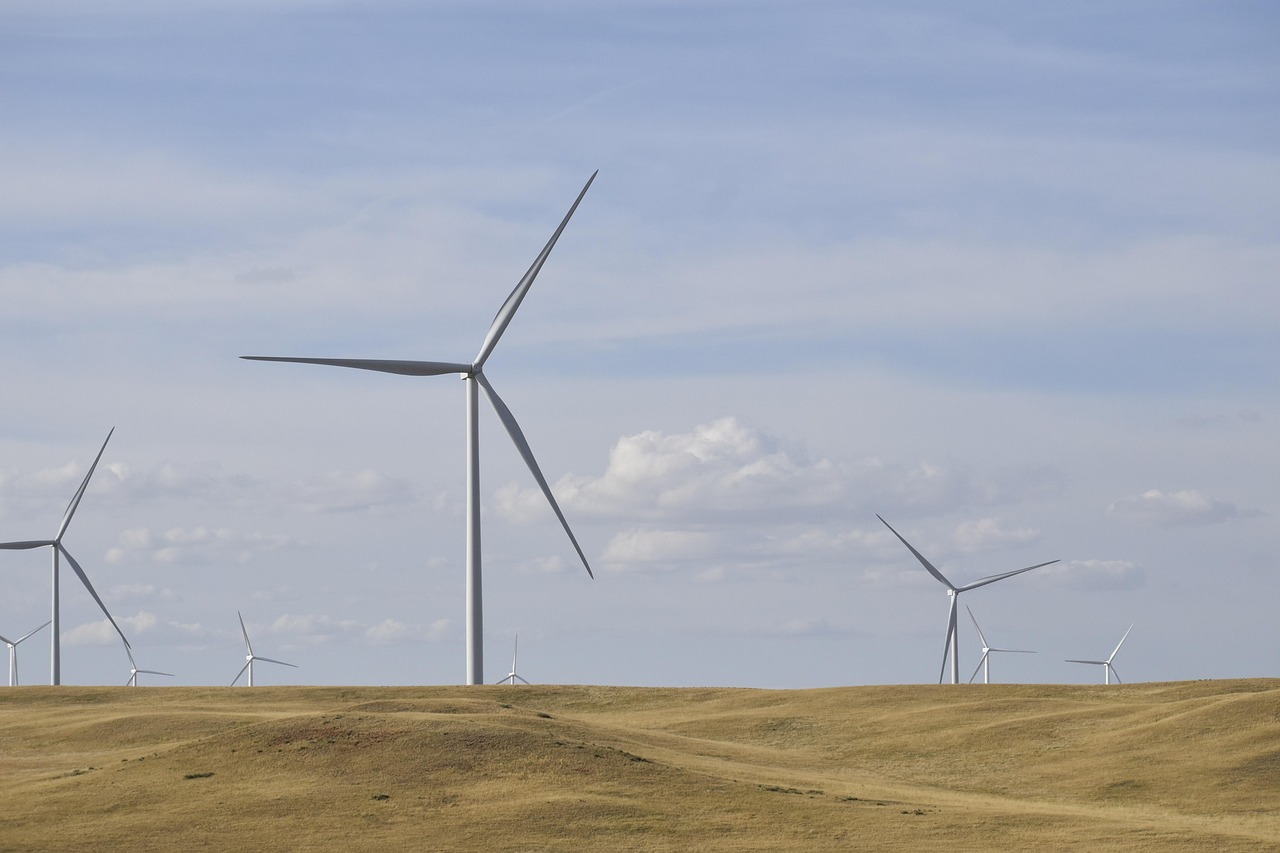
Photo from Pexels
Imagine a world where the sun always shines, the wind always blows, and the energy is always flowing, but beneath the surface, a silent threat lurks, waiting to disrupt the delicate balance of our renewable energy systems. Welcome to the world of Cybersecurity for Renewable Energy Systems, a critical unit in the Graduate Certificate in AI Applications for Renewable Energy Resources at Stanmore School of Business. As we delve into this fascinating topic, you'll discover how the convergence of technology and sustainability has created a new frontier in cybersecurity, one that demands attention, expertise, and innovative solutions.
To set the stage, let's take a step back in time and recall the early days of renewable energy. Just a few decades ago, solar panels and wind turbines were considered niche technologies, relegated to the fringes of the energy landscape. Fast-forward to today, and we see a radically different picture. Renewable energy has become a mainstream powerhouse, with solar and wind energy accounting for an increasingly large share of global energy production. However, as our dependence on these systems grows, so does the risk of cyber attacks, which can have devastating consequences, from disrupting the grid to compromising national security.
So, what exactly is Cybersecurity for Renewable Energy Systems, and why is it so crucial? In essence, it's about protecting the complex network of devices, systems, and infrastructure that underpin our renewable energy ecosystems. This includes everything from smart meters and inverters to energy management systems and grid control centers. As we transition to a more decentralized, distributed, and digital energy landscape, the attack surface expands, creating new vulnerabilities and risks. That's why it's essential to develop a robust cybersecurity strategy, one that anticipates, detects, and responds to threats in real-time.
Now, let's get practical. So, what can you do to safeguard your own renewable energy systems or contribute to the security of the broader energy landscape? First, it's essential to conduct regular risk assessments, identifying potential vulnerabilities and prioritizing mitigation strategies. This might involve implementing robust firewalls, encrypting data, or deploying intrusion detection systems. Second, stay up-to-date with the latest threat intelligence, monitoring industry reports, and participating in information-sharing networks. Third, invest in employee training and awareness programs, recognizing that human error is often the weakest link in the cybersecurity chain.
As we transition to a more decentralized, distributed, and digital energy landscape, the attack surface expands, creating new vulnerabilities and risks.
As you embark on this journey, be aware of common pitfalls to avoid. One of the most significant mistakes is underestimating the sophistication of cyber threats. Renewable energy systems are not immune to attacks, and the consequences can be severe. Another pitfall is neglecting to implement robust incident response plans, which can leave you scrambling to respond to a breach. To avoid these pitfalls, focus on building a culture of cybersecurity, one that prioritizes collaboration, innovation, and continuous learning.
As we conclude this episode, remember that cybersecurity is not just a technical challenge; it's a human imperative. As we transition to a more sustainable, renewable energy future, we must also prioritize the security and resilience of our systems. So, what can you do next? Apply the lessons learned from this episode to your own work or life, sharing your insights and expertise with others. Subscribe to our podcast, join the conversation on social media, and engage with the Stanmore School of Business community to stay at the forefront of this rapidly evolving field.
In the words of a renowned cybersecurity expert, "The future of energy is renewable, but it's also vulnerable. Let's work together to build a more secure, sustainable future, one that harnesses the power of technology to protect our planet and our way of life." Thank you for joining me on this journey into the world of Cybersecurity for Renewable Energy Systems. Until next time, stay curious, keep learning, and remember that the future of energy is in your hands.
Key takeaways
- Imagine a world where the sun always shines, the wind always blows, and the energy is always flowing, but beneath the surface, a silent threat lurks, waiting to disrupt the delicate balance of our renewable energy systems.
- However, as our dependence on these systems grows, so does the risk of cyber attacks, which can have devastating consequences, from disrupting the grid to compromising national security.
- As we transition to a more decentralized, distributed, and digital energy landscape, the attack surface expands, creating new vulnerabilities and risks.
- Third, invest in employee training and awareness programs, recognizing that human error is often the weakest link in the cybersecurity chain.
- To avoid these pitfalls, focus on building a culture of cybersecurity, one that prioritizes collaboration, innovation, and continuous learning.
- Subscribe to our podcast, join the conversation on social media, and engage with the Stanmore School of Business community to stay at the forefront of this rapidly evolving field.
- Let's work together to build a more secure, sustainable future, one that harnesses the power of technology to protect our planet and our way of life.