
Natural Language Processing for Renewable Energy Data.
Welcome to this episode of the Stanmore School of Business podcast, where we're exploring the fascinating world of artificial intelligence and its applications in renewable energy. I'm your host, and I'm excited to dive into the topic of Na…
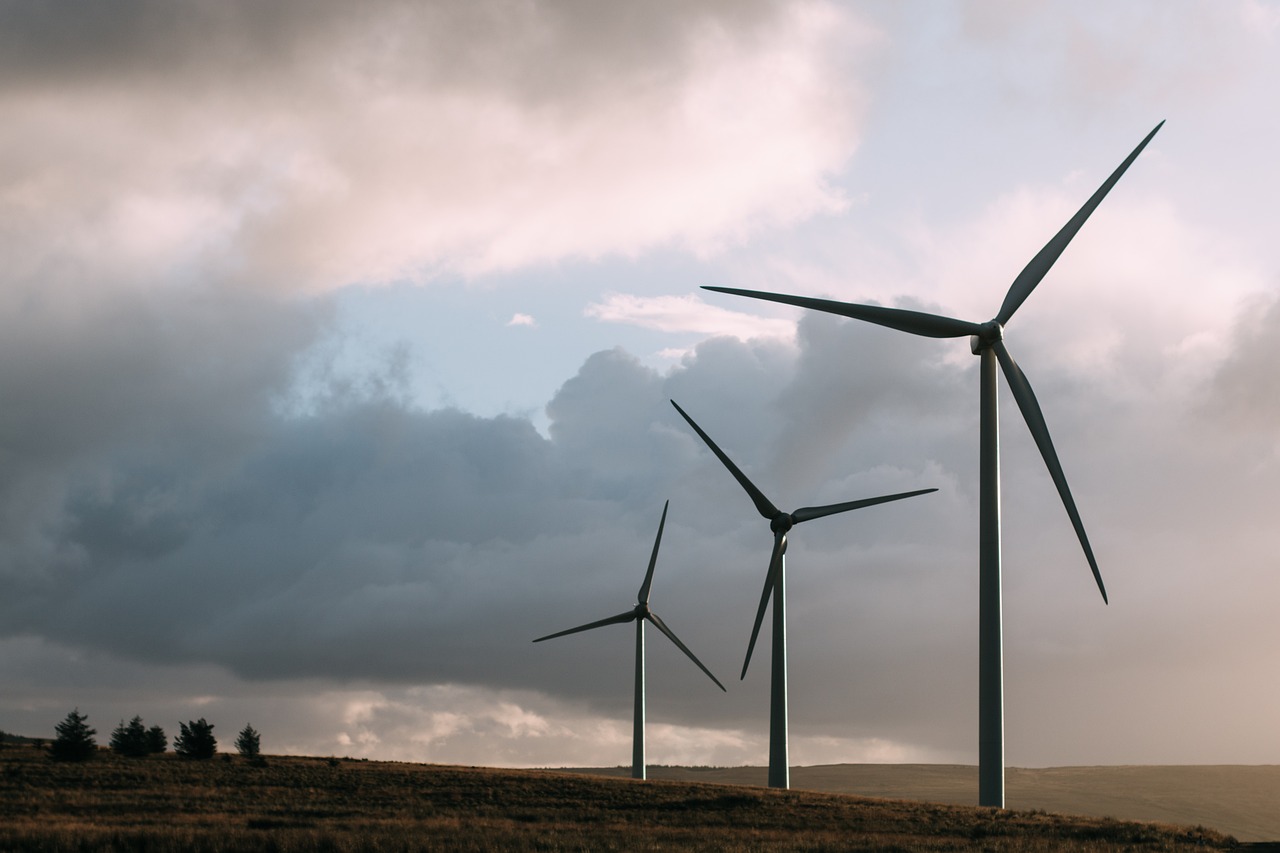
Photo from Pexels
Welcome to this episode of the Stanmore School of Business podcast, where we're exploring the fascinating world of artificial intelligence and its applications in renewable energy. I'm your host, and I'm excited to dive into the topic of Natural Language Processing for Renewable Energy Data, a crucial unit in our Graduate Certificate in AI Applications for Renewable Energy Resources.
As we navigate the complexities of the energy landscape, it's becoming increasingly clear that data is the lifeblood of the industry. But with the sheer volume of information being generated, it's no longer enough to simply collect data - we need to be able to make sense of it, and that's where Natural Language Processing comes in. This technology has been around for decades, but its evolution has been nothing short of remarkable. From the early days of rule-based systems to the current era of machine learning and deep learning, NLP has come a long way, and its applications in renewable energy are only just beginning to be explored.
So, why is Natural Language Processing so important for renewable energy data? The answer lies in the fact that a significant portion of the data generated in the energy sector is unstructured, taking the form of text reports, articles, and social media posts. By applying NLP techniques, we can unlock the insights hidden within this data, gaining a deeper understanding of everything from energy consumption patterns to equipment performance. This, in turn, can help us optimize energy production, reduce waste, and create more sustainable systems.
Now, let's talk about some practical applications of Natural Language Processing for Renewable Energy Data. One exciting example is the use of text analysis to monitor and predict energy demand. By analyzing social media posts, news articles, and other online content, energy providers can gain a better understanding of factors that influence energy consumption, such as weather patterns, economic trends, and population growth. This information can then be used to adjust energy production accordingly, reducing the likelihood of blackouts and brownouts.
Another area where NLP is making a significant impact is in the maintenance and repair of renewable energy infrastructure. By analyzing text-based sensor data and maintenance reports, energy providers can identify potential issues before they become major problems, reducing downtime and increasing overall efficiency. This is especially important in the renewable energy sector, where equipment is often located in remote or hard-to-reach areas, making maintenance a significant challenge.
By analyzing text-based sensor data and maintenance reports, energy providers can identify potential issues before they become major problems, reducing downtime and increasing overall efficiency.
Of course, as with any technology, there are common pitfalls to avoid when working with Natural Language Processing for Renewable Energy Data. One of the biggest mistakes is assuming that NLP is a silver bullet that can solve all your data analysis problems. The reality is that NLP is a tool, and like any tool, it requires careful tuning and calibration to produce accurate results. Another pitfall is failing to consider the context in which the data is being generated. For example, a text report from a wind farm in one region may use different terminology or formatting than a similar report from a solar farm in another region.
So, how can you avoid these pitfalls and get the most out of Natural Language Processing for Renewable Energy Data? The key is to start small, experimenting with different NLP techniques and tools to see what works best for your specific use case. It's also essential to collaborate with experts from other fields, such as data science, engineering, and linguistics, to ensure that you're taking a holistic approach to data analysis. Finally, don't be afraid to ask questions and seek out resources when you need them - the NLP community is vast and supportive, and there are many online forums, tutorials, and courses available to help you get started.
As we conclude this episode, I want to leave you with an inspiring message: the future of renewable energy is bright, and Natural Language Processing is playing a vital role in shaping that future. By embracing this technology and applying it in innovative ways, we can create a more sustainable, efficient, and equitable energy system for all. So, I encourage you to take what you've learned today and apply it in your own work or life. Share your experiences, ask questions, and join the conversation on social media using the hashtag #SSBpodcast.
If you've enjoyed this episode, be sure to subscribe to our podcast for more exciting conversations about AI, renewable energy, and the future of business. You can also visit the Stanmore School of Business website to learn more about our Graduate Certificate in AI Applications for Renewable Energy Resources and other programs. Until next time, thank you for listening, and let's continue to shape the future of energy together.
Key takeaways
- I'm your host, and I'm excited to dive into the topic of Natural Language Processing for Renewable Energy Data, a crucial unit in our Graduate Certificate in AI Applications for Renewable Energy Resources.
- From the early days of rule-based systems to the current era of machine learning and deep learning, NLP has come a long way, and its applications in renewable energy are only just beginning to be explored.
- By applying NLP techniques, we can unlock the insights hidden within this data, gaining a deeper understanding of everything from energy consumption patterns to equipment performance.
- By analyzing social media posts, news articles, and other online content, energy providers can gain a better understanding of factors that influence energy consumption, such as weather patterns, economic trends, and population growth.
- By analyzing text-based sensor data and maintenance reports, energy providers can identify potential issues before they become major problems, reducing downtime and increasing overall efficiency.
- For example, a text report from a wind farm in one region may use different terminology or formatting than a similar report from a solar farm in another region.
- Finally, don't be afraid to ask questions and seek out resources when you need them - the NLP community is vast and supportive, and there are many online forums, tutorials, and courses available to help you get started.