
Penguin Health and Disease Management
Expert-defined terms from the Advanced Skill Certificate in Penguin Rehabilitation course at Stanmore School of Business. Free to read, free to share, paired with a professional course.
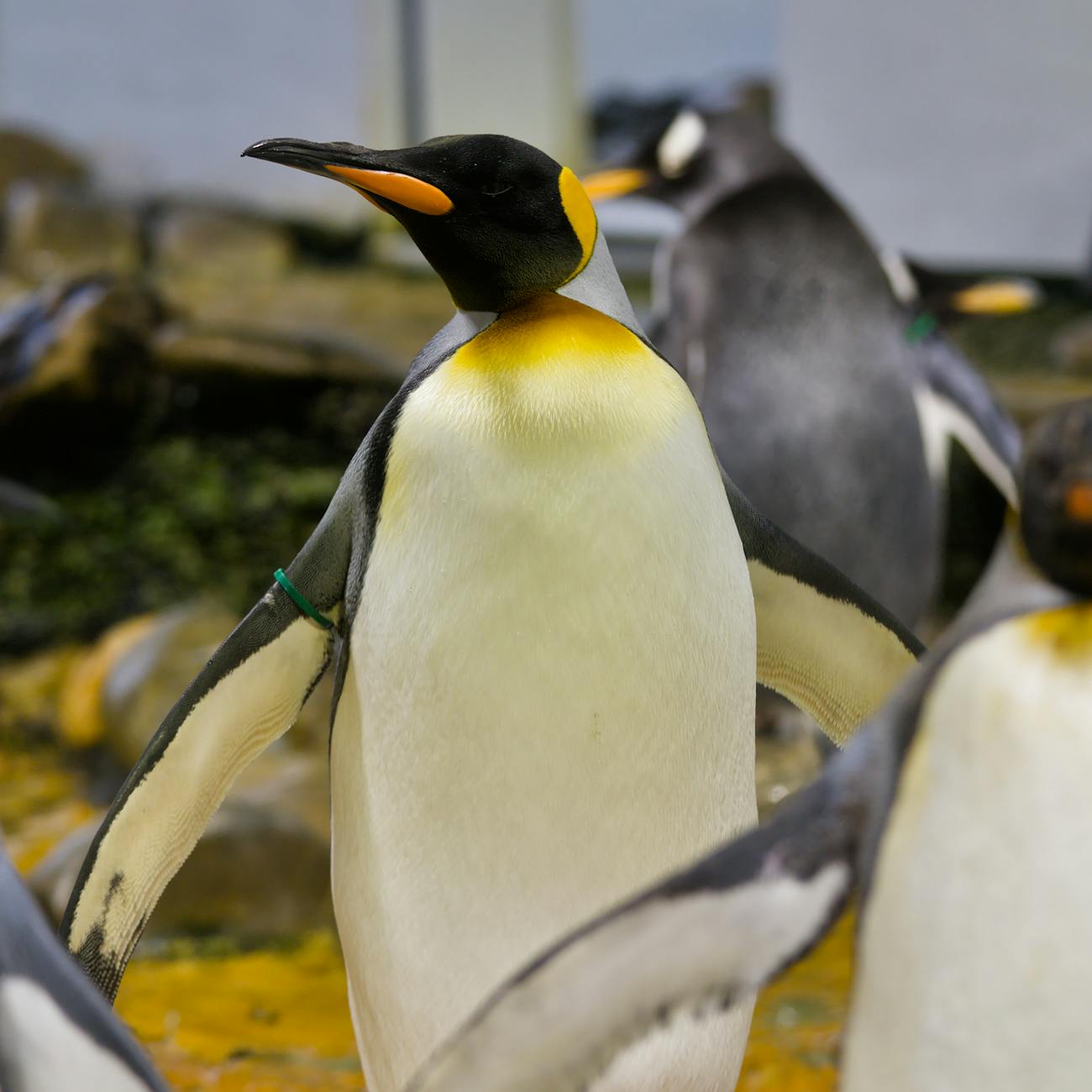
Advanced Skill Certificate in Penguin Rehabilitation #
Advanced Skill Certificate in Penguin Rehabilitation
The Advanced Skill Certificate in Penguin Rehabilitation is a specialized traini… #
The course covers a wide range of topics related to penguin health and disease management, including anatomy, physiology, behavior, and nutrition. Participants learn how to assess the health of penguins, diagnose common diseases, and develop treatment plans to promote recovery and well-being. The program also includes hands-on training in handling and restraining penguins, administering medication, and monitoring their progress.
Acclimatization #
Acclimatization
Acclimatization refers to the process by which penguins adjust to a new environm… #
When penguins are brought into rehabilitation facilities, they may need time to acclimate to their surroundings before they can fully recover. This process involves gradually introducing them to new temperatures, lighting conditions, and social interactions to reduce stress and promote adaptation.
Anemia #
Anemia
Anemia is a medical condition characterized by a deficiency of red blood cells o… #
In penguins, anemia can be caused by various factors, including nutritional deficiencies, parasitic infections, or chronic diseases. Symptoms of anemia in penguins may include weakness, fatigue, pale mucous membranes, and decreased activity. Treatment typically involves addressing the underlying cause of the anemia and providing supportive care to improve blood cell production.
Antibiotic #
Antibiotic
Antibiotics are medications used to treat bacterial infections in penguins #
Common antibiotics prescribed for penguins include amoxicillin, enrofloxacin, and doxycycline. It is essential to use antibiotics judiciously and according to veterinary guidance to prevent the development of antibiotic resistance. Antibiotics should only be administered to penguins under the supervision of a qualified veterinarian to ensure proper dosage and effectiveness.
Avian Pox #
Avian Pox
Avian pox is a viral disease that can affect penguins and other birds #
The disease is caused by avipoxviruses and is characterized by the development of wart-like growths on the skin, beak, or feet of infected birds. Avian pox is typically transmitted through direct contact with infected birds or contaminated surfaces. Treatment for avian pox in penguins may include supportive care, antiviral medications, and isolation to prevent the spread of the virus to other individuals.
Bacterial Infection #
Bacterial Infection
Bacterial infections are common in penguins and can affect various systems of th… #
Bacterial infections are typically treated with antibiotics prescribed by a veterinarian based on the specific type of bacteria causing the infection. Common signs of bacterial infections in penguins may include lethargy, loss of appetite, respiratory distress, and abnormal behavior. Prompt diagnosis and treatment are essential to prevent the spread of bacterial infections in penguin populations.
Behavioral Enrichment #
Behavioral Enrichment
Behavioral enrichment refers to the practice of providing stimulating environmen… #
Enrichment activities may include the introduction of novel objects, social interactions with conspecifics, foraging opportunities, and environmental modifications. Behavioral enrichment is essential for preventing boredom, reducing stress, and promoting the overall health and welfare of penguins in rehabilitation facilities.
Body Condition Score #
Body Condition Score
Body condition score is a quantitative assessment of the overall body condition… #
The score is based on factors such as body weight, muscle mass, fat reserves, and overall body condition. Body condition scoring is used to monitor the health and nutritional status of penguins over time, identify changes in body condition, and adjust diet and care protocols accordingly. A healthy body condition score is essential for optimal health and fitness in penguins.
Brumation #
Brumation
Brumation is a period of dormancy or inactivity that some penguin species may en… #
During brumation, penguins may reduce their activity levels, metabolism, and food intake to conserve energy and survive harsh environmental conditions. Brumation is a natural behavior observed in some cold-adapted penguin species, such as emperor penguins, to cope with limited food resources and extreme weather conditions. Rehabilitation facilities may need to replicate brumation conditions for penguins undergoing rehabilitation to support their natural biological rhythms.
Chytrid Fungus #
Chytrid Fungus
Chytrid fungus, also known as Batrachochytrium dendrobatidis, is a fungal pathog… #
Chytrid fungus can cause a disease known as chytridiomycosis, which can be fatal if left untreated. Infected penguins may exhibit symptoms such as skin discoloration, lesions, sloughing of skin, and lethargy. Treatment for chytrid fungus in penguins may include antifungal medications, supportive care, and quarantine to prevent the spread of the disease to other individuals.
Dehydration #
Dehydration
Dehydration is a common health concern in penguins that occurs when the body los… #
Dehydration can be caused by various factors, including inadequate water intake, environmental stress, illness, or diarrhea. Signs of dehydration in penguins may include sunken eyes, dry mucous membranes, lethargy, and decreased skin elasticity. Treatment for dehydration in penguins typically involves fluid therapy, rehydration solutions, and addressing the underlying cause of the dehydration.
Dietary Supplements #
Dietary Supplements
Dietary supplements are additional nutrients or compounds that may be added to t… #
Common dietary supplements for penguins include vitamins, minerals, amino acids, and omega-3 fatty acids. Supplements may be used to address specific nutritional deficiencies, support immune function, promote healthy skin and feathers, or aid in the recovery from illness or injury. It is essential to consult with a veterinarian before adding dietary supplements to a penguin's diet to ensure proper dosing and effectiveness.
Electrolyte Imbalance #
Electrolyte Imbalance
Electrolyte imbalance refers to an abnormal concentration of electrolytes, such… #
Electrolytes play a crucial role in maintaining fluid balance, nerve function, muscle contraction, and other physiological processes. Imbalances in electrolyte levels can be caused by factors such as dehydration, kidney disease, or metabolic disorders. Signs of electrolyte imbalance in penguins may include weakness, tremors, seizures, and cardiac abnormalities. Treatment typically involves correcting the underlying cause of the imbalance and restoring electrolyte levels through fluid therapy or oral supplementation.
Emaciation #
Emaciation
Emaciation is a condition characterized by extreme thinness or wasting of body t… #
Emaciation can result from factors such as malnutrition, illness, parasitic infections, or metabolic disorders. Penguins with emaciation may appear underweight, have prominent bones, and exhibit signs of muscle wasting. Treatment for emaciation in penguins involves addressing the underlying cause, providing a nutritionally balanced diet, and monitoring weight gain and body condition over time. Emaciation can have serious health consequences if not promptly addressed.
Endoparasites #
Endoparasites
Endoparasites are internal parasites that can infect the gastrointestinal tract,… #
Common endoparasites in penguins include roundworms, tapeworms, flukes, and protozoa. Endoparasite infections can cause symptoms such as diarrhea, weight loss, anemia, and decreased immune function. Diagnosis of endoparasites in penguins may involve fecal analysis, blood tests, or imaging studies. Treatment typically includes deworming medications prescribed by a veterinarian and supportive care to address any secondary complications.
Environmental Enrichment #
Environmental Enrichment
Environmental enrichment involves creating stimulating and engaging environments… #
Environmental enrichment strategies may include the provision of toys, nesting materials, swimming pools, hiding places, and foraging opportunities. Enrichment activities help prevent boredom, reduce stress, and improve the overall well-being of penguins in rehabilitation facilities. It is essential to regularly assess the effectiveness of environmental enrichment programs and adjust them based on individual penguin preferences and needs.
Feather Plucking #
Feather Plucking
Feather plucking is a behavioral disorder observed in penguins and other birds c… #
Feather plucking can be caused by various factors, including stress, boredom, nutritional deficiencies, or underlying medical conditions. Feather plucking can lead to skin irritation, feather loss, and self-inflicted injuries in affected penguins. Treatment for feather plucking may involve identifying and addressing the underlying cause, providing behavioral enrichment, and monitoring the penguin's behavior for signs of improvement.
Fracture #
Fracture
A fracture is a break or crack in a bone that can occur as a result of trauma, i… #
Fractures can affect various bones in the body, including the wings, legs, and beak. Common causes of fractures in penguins include falls, collisions, and fights with conspecifics. Signs of a fracture in penguins may include limping, swelling, pain, and abnormal positioning of the affected limb. Treatment for fractures in penguins may involve immobilization, pain management, and surgical intervention to stabilize the bone and promote healing.
Heat Stress #
Heat Stress
Heat stress occurs when penguins are exposed to high temperatures or prolonged p… #
Heat stress can lead to dehydration, hyperthermia, and heatstroke in penguins, which can be life-threatening if not promptly addressed. Signs of heat stress in penguins may include panting, lethargy, weakness, and seeking shade or water. Prevention of heat stress in penguins involves providing access to shaded areas, cooling baths, misting systems, and monitoring temperature levels to ensure a comfortable and safe environment.
Hypothermia #
Hypothermia
Hypothermia is a condition characterized by abnormally low body temperature in p… #
Hypothermia can result from exposure to cold temperatures, wet conditions, or inadequate shelter. Signs of hypothermia in penguins may include shivering, lethargy, cold extremities, and decreased heart rate. Treatment for hypothermia involves gradually warming the penguin, providing heat sources, and monitoring vital signs to prevent complications such as frostbite or organ failure. Hypothermia can be life-threatening if not promptly addressed.
Immune System #
Immune System
The immune system is a complex network of cells, tissues, and organs that work t… #
The immune system plays a crucial role in protecting penguins from infections, diseases, and environmental stressors. Components of the immune system in penguins include white blood cells, antibodies, and cytokines that coordinate the immune response. Maintaining a healthy immune system is essential for the overall health and well-being of penguins in rehabilitation facilities.
Incubation #
Incubation
Incubation is the process by which penguins sit on their eggs to keep them warm,… #
During incubation, penguins may rotate the eggs between parents, regulate the temperature of the nest, and defend against intruders. Incubation periods vary depending on the species of penguin, with some species requiring longer incubation periods than others. Rehabilitation facilities may need to provide artificial incubators or heating devices to simulate natural incubation conditions for orphaned or abandoned penguin eggs.
Integumentary System #
Integumentary System
The integumentary system is the organ system that includes the skin, feathers, s… #
The integumentary system plays a vital role in thermoregulation, waterproofing, camouflage, and sensory perception in penguins. Common integumentary disorders in penguins include feather loss, skin lesions, and fungal infections. Careful attention to the integumentary system is essential for assessing the health and well-being of penguins, detecting abnormalities, and implementing appropriate treatment and preventive measures.
Metabolic Rate #
Metabolic Rate
Metabolic rate is the rate at which penguins convert food into energy to support… #
Metabolic rate can be influenced by factors such as age, sex, body size, activity level, and environmental conditions. Penguins have a high metabolic rate due to their active lifestyle, diving behavior, and need to maintain body temperature in cold environments. Understanding the metabolic rate of penguins is essential for determining their nutritional requirements, monitoring energy balance, and promoting overall health and fitness in rehabilitation settings.
Necropsy #
Necropsy
Necropsy, also known as post #
mortem examination or autopsy, is the examination of a deceased penguin to determine the cause of death, identify underlying diseases, and evaluate organ function. Necropsies are performed by trained veterinarians or pathologists using a systematic approach to collect samples, perform gross examinations, and analyze tissues under a microscope. Necropsy findings provide valuable information on the health status of penguin populations, trends in disease prevalence, and factors contributing to mortality. Necropsies play a crucial role in wildlife conservation, disease surveillance, and research efforts related to penguin health and disease management.
Nutritional Assessment #
Nutritional Assessment
Nutritional assessment involves evaluating the dietary intake, body condition, a… #
Nutritional assessment may include measuring body weight, body condition score, muscle mass, and blood markers of nutrient status. Monitoring the nutritional status of penguins is essential for detecting deficiencies, imbalances, or excesses in the diet and adjusting feeding protocols accordingly. Nutritional assessments help prevent malnutrition, support growth and development, and promote recovery from illness or injury in penguins undergoing rehabilitation.
Orthopedic Surgery #
Orthopedic Surgery
Orthopedic surgery is a branch of surgery that focuses on the diagnosis and trea… #
Orthopedic conditions in penguins may include fractures, dislocations, arthritis, and ligament injuries. Orthopedic surgery techniques used in penguins may include fracture repair, joint stabilization, and soft tissue reconstruction. Orthopedic surgery aims to restore normal function, reduce pain, and promote healing in penguins with musculoskeletal problems. Rehabilitation following orthopedic surgery may involve physical therapy, pain management, and gradual return to normal activity levels.
Parasite Load #
Parasite Load
Parasite load refers to the number of parasites, such as ectoparasites or endopa… #
Parasite load can vary depending on factors such as age, health status, immune function, and environmental conditions. High parasite loads in penguins can lead to parasitic infections, decreased immune function, anemia, and other health problems. Monitoring parasite loads in penguins through regular health checks, fecal analysis, and skin examinations is essential for early detection, treatment, and prevention of parasitic infections in rehabilitation facilities.
Physical Examination #
Physical Examination
A physical examination is a comprehensive assessment of the body condition, vita… #
Physical examinations may include evaluating body weight, body condition score, temperature, heart rate, respiratory rate, hydration status, and musculoskeletal system. Physical examinations help identify abnormalities, injuries, diseases, or signs of stress in penguins and guide the development of treatment plans and care protocols. Regular physical examinations are essential for monitoring the health and well-being of penguins in rehabilitation settings.
Respiratory Infection #
Respiratory Infection
Respiratory infections are common in penguins and can affect the upper respirato… #
Respiratory infections can be caused by bacteria, viruses, fungi, or environmental factors such as poor air quality or overcrowding. Common signs of respiratory infections in penguins may include coughing, sneezing, nasal discharge, difficulty breathing, and decreased activity. Treatment for respiratory infections in penguins may include antibiotics, antifungal medications, supportive care, and environmental modifications to improve air circulation and hygiene.
Splint #
Splint
A splint is a rigid or semi #
rigid device used to immobilize and support a fractured or injured limb in penguins. Splints are typically made of materials such as plastic, metal, or fiberglass and are custom-fitted to the size and shape of the affected limb. Splints help stabilize fractures, reduce pain, and promote proper healing in penguins with musculoskeletal injuries. Proper placement and monitoring of splints are essential to prevent complications, pressure sores, or impaired blood flow in rehabilitated penguins.
Sterilization #
Sterilization
Sterilization is the process of killing or removing microorganisms, such as bact… #
Sterilization methods may include heat, steam, chemical disinfectants, or ultraviolet light. Sterilization protocols are essential for maintaining a clean and hygienic environment, reducing the risk of cross-contamination, and protecting the health of penguins in rehabilitation settings. Regular sterilization of equipment, enclosures, and supplies is a critical component of disease control and biosecurity measures in penguin rehabilitation facilities.
Stress Management #
Stress Management
Stress management involves implementing strategies to reduce stress, anxiety, an… #
Common stressors for penguins in rehabilitation facilities may include captivity, handling, noise, unfamiliar environments, and social interactions. Stress management techniques may include providing hiding places, minimizing disturbances, maintaining consistent routines, and offering behavioral enrichment activities. Effective stress management is essential for preventing stress-related health problems, improving behavior, and enhancing the overall quality of life for penguins in rehabilitation settings.
Toxicity #
Toxicity
Toxicity refers to the harmful effects of toxins, chemicals, or substances inges… #
Penguins may be exposed to toxins through contaminated water, food, air, or environmental pollutants. Common sources of toxicity in penguins include heavy metals, pesticides, marine toxins, and household chemicals. Signs of toxicity in penguins may include vomiting, diarrhea, weakness, seizures, and organ failure. Treatment for toxicity in penguins involves decontamination, supportive care, and detoxification measures to eliminate toxins from the body and prevent further harm.
Trauma #
Trauma
Trauma refers to injuries or wounds sustained by penguins as a result of acciden… #
Common types of trauma in penguins include fractures, lacerations, contusions, and puncture wounds. Trauma can have serious consequences for the health and survival of penguins, requiring prompt assessment, treatment, and rehabilitation. Treatment for trauma in penguins may involve wound care, pain management, surgical intervention, and physical therapy to promote healing, reduce pain, and restore function.
Ulcer #
Ulcer
An ulcer is a localized area of tissue damage or erosion that can #
An ulcer is a localized area of tissue damage or erosion that can