
Port Security and Safety Measures
Expert-defined terms from the Professional Certificate in Advanced Port Design and Planning course at Stanmore School of Business. Free to read, free to share, paired with a professional course.
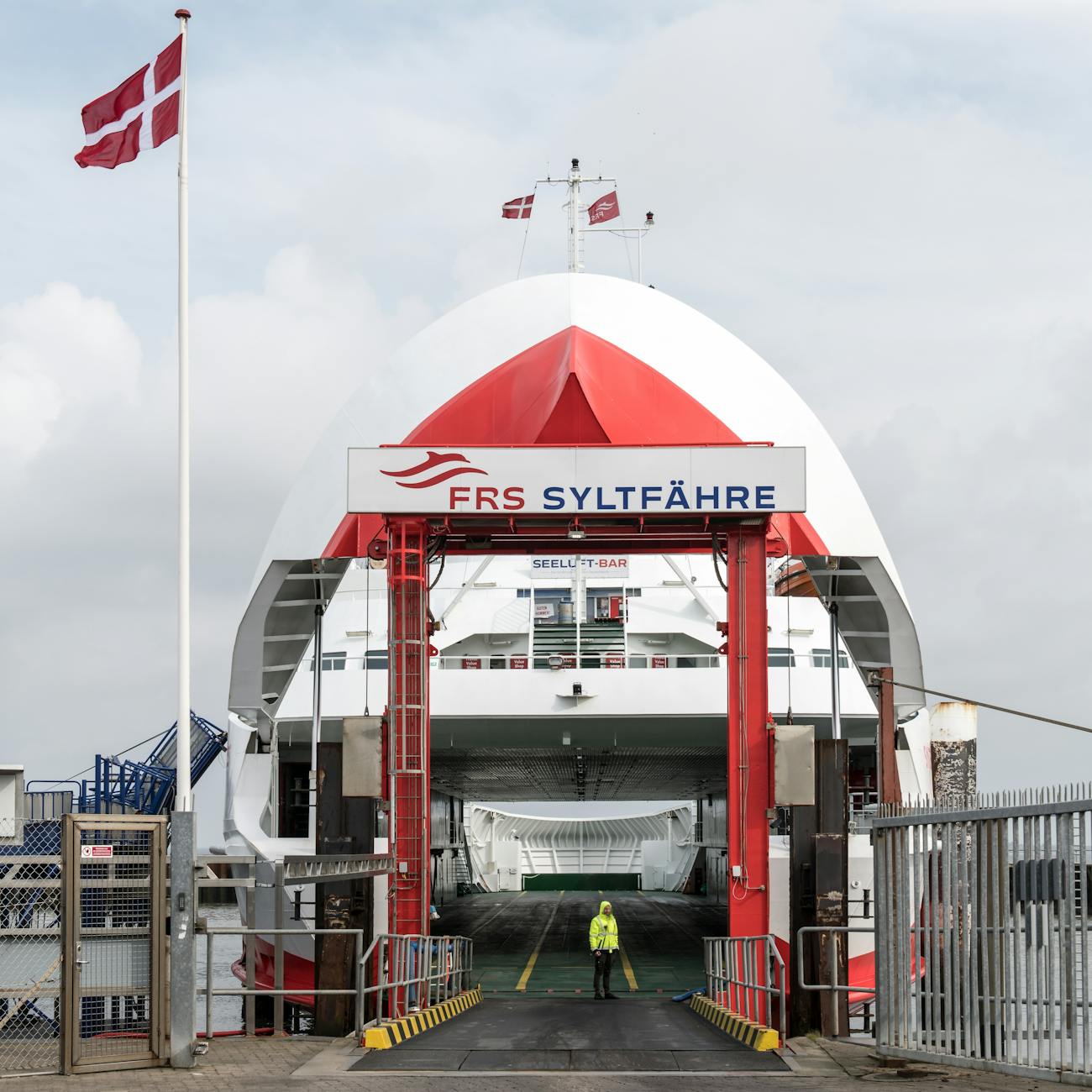
Port Security and Safety Measures #
Port Security and Safety Measures
Port Security and Safety Measures refer to the strategies, protocols, and techno… #
These measures are crucial in ensuring the smooth operation of ports and the safety of everyone involved in port activities.
Access Control #
Access Control
Access Control is a security measure that regulates who can enter specific areas… #
This can include the use of identification cards, biometric scanners, security guards, and barriers to prevent unauthorized access. Access control helps to protect sensitive areas within the port and reduce the risk of security breaches.
Container Inspection #
Container Inspection
Container Inspection involves the screening of containers entering or leaving a… #
This can include physical inspections, x-ray scanning, and radiation detection to ensure that containers comply with safety and security regulations. Container inspection is essential for preventing the smuggling of contraband or dangerous materials.
Cybersecurity #
Cybersecurity
Cybersecurity refers to the protection of computer systems, networks, and data f… #
In the context of port security, cybersecurity measures are implemented to prevent cyber attacks on port infrastructure, information systems, and communication networks. This includes the use of firewalls, encryption, intrusion detection systems, and regular security audits to safeguard against cyber threats.
Emergency Response Plan #
Emergency Response Plan
An Emergency Response Plan is a detailed strategy outlining how a port will resp… #
This plan includes protocols for communication, evacuation, medical assistance, and coordination with relevant authorities. An effective emergency response plan is essential for minimizing the impact of emergencies and ensuring the safety of port personnel and assets.
Facility Security Plan #
Facility Security Plan
A Facility Security Plan is a comprehensive document that outlines security meas… #
This plan is required by international regulations, such as the International Ship and Port Facility Security (ISPS) Code, and includes risk assessments, security measures, access control protocols, and emergency response procedures. A well-developed facility security plan is essential for maintaining port security and compliance with regulatory requirements.
Hazardous Materials Management #
Hazardous Materials Management
Hazardous Materials Management involves the safe handling, storage, and transpor… #
This includes identifying hazardous materials, implementing proper storage and handling procedures, providing training to personnel, and ensuring compliance with relevant regulations. Effective hazardous materials management is crucial for preventing accidents, spills, and environmental damage within the port.
Incident Reporting #
Incident Reporting
Incident Reporting is the process of documenting and reporting security incident… #
This includes reporting any suspicious activities, breaches of security, accidents, injuries, or environmental incidents to the appropriate authorities. Incident reporting helps to identify trends, improve security protocols, and prevent future incidents from occurring.
Perimeter Security #
Perimeter Security
Perimeter Security refers to the protection of the outer boundaries of a port fa… #
This can include fencing, gates, barriers, surveillance cameras, and security patrols to monitor and control access to the port. Perimeter security is essential for detecting and deterring intruders, protecting port assets, and maintaining a secure environment.
Risk Assessment #
Risk Assessment
Risk Assessment is the process of identifying, analyzing, and evaluating potenti… #
This includes assessing the likelihood and impact of various risks, such as terrorism, theft, natural disasters, or accidents, and developing mitigation strategies to reduce the risk level. Risk assessment is essential for prioritizing security measures, allocating resources effectively, and enhancing overall port security.
Security Training #
Security Training
Security Training involves providing education and training to port personnel on… #
This can include training on access control, threat detection, emergency response, and reporting procedures to ensure that all personnel are aware of their roles and responsibilities in maintaining port security. Security training is essential for enhancing security awareness, preparedness, and response capabilities within the port.
Surveillance Systems #
Surveillance Systems
Surveillance Systems are technologies used to monitor and record activities with… #
This can include CCTV cameras, motion sensors, drones, and access control systems to provide real-time surveillance and monitoring of port areas. Surveillance systems help to deter criminal activities, detect security threats, and provide evidence for investigations.
Threat Detection #
Threat Detection
Threat Detection involves the identification and assessment of potential securit… #
This can include monitoring for suspicious activities, screening cargo for prohibited items, and using technology such as metal detectors, x-ray scanners, and explosive detection systems to detect threats. Threat detection is essential for preventing security breaches, terrorism, smuggling, and other criminal activities within the port.
Vessel Security #
Vessel Security
Vessel Security refers to the measures implemented to protect ships and maritime… #
This can include access control, security patrols, crew training, and the use of technology such as AIS (Automatic Identification System) and LRIT (Long-Range Identification and Tracking) to enhance vessel security. Vessel security is essential for preventing piracy, stowaways, theft, and other security risks.
Weather Monitoring #
Weather Monitoring
Weather Monitoring involves tracking and forecasting weather conditions within a… #
This can include monitoring wind speed, wave height, visibility, and storm warnings to determine if weather conditions pose a risk to port activities. Weather monitoring helps to prevent accidents, delays, and damage to vessels and cargo due to adverse weather conditions.
X #
ray Scanning
X-ray Scanning is a technology used to inspect the contents of containers, vehic… #
X-ray scanners emit high-energy rays that penetrate through objects to create an image of the contents, allowing security personnel to detect any hidden or prohibited items. X-ray scanning is commonly used in ports to screen cargo for explosives, weapons, drugs, and other contraband.