
Golf Course Irrigation Systems
Expert-defined terms from the Advanced Certificate in Golf Course Design and Architecture course at Stanmore School of Business. Free to read, free to share, paired with a professional course.
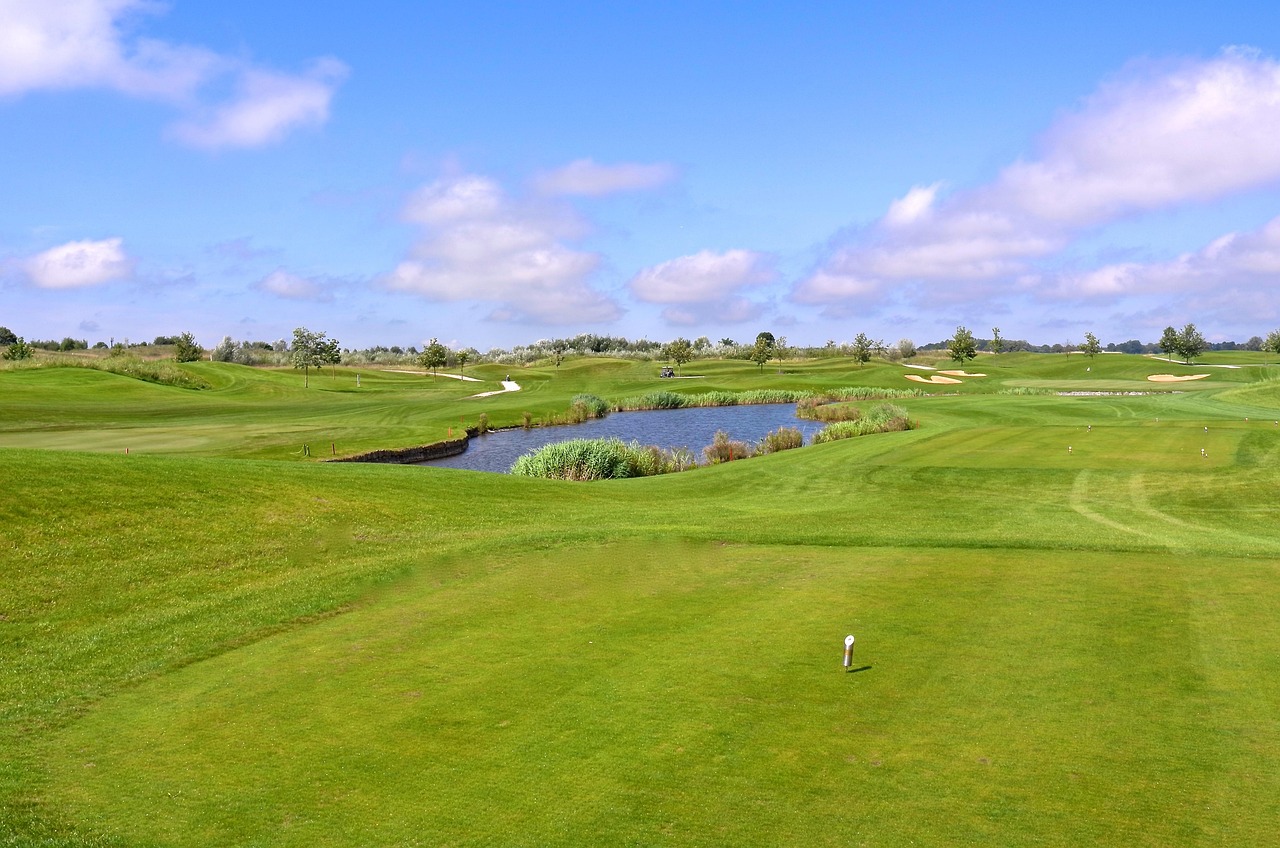
Golf Course Irrigation Systems #
Golf Course Irrigation Systems
Golf course irrigation systems are essential components of maintaining healthy t… #
These systems help ensure that the grass, trees, and other vegetation receive the necessary amount of water to thrive and remain in good condition. Proper irrigation is crucial for providing consistent playing conditions and aesthetic appeal across the course.
Components of Golf Course Irrigation Systems #
Components of Golf Course Irrigation Systems
1. Controllers #
These devices regulate when and how long the irrigation system operates. They can be programmed to water different zones at specific times and durations.
2. Valves #
Valves control the flow of water to different areas of the golf course. They open and close to allow water to pass through the pipes and reach the designated zones.
3. Sprinklers #
Sprinklers distribute water evenly over the turf and landscapes. They come in various types, including rotors, spray heads, and impact sprinklers, each with its own coverage area and spray pattern.
4. Pipes #
Pipes transport water from the water source to the sprinklers. They are typically made of PVC or polyethylene and are buried underground to prevent damage.
5. Pumps #
Pumps are used to pressurize water from a water source, such as a pond or well, to the irrigation system. They help ensure that water reaches all areas of the golf course.
6. Sensors #
Sensors monitor environmental conditions, such as soil moisture levels and weather forecasts, to adjust the irrigation schedule accordingly. This helps prevent overwatering and underwatering.
7. Backflow preventers #
These devices prevent contaminated water from flowing back into the main water supply. They are crucial for maintaining water quality and safety.
Types of Golf Course Irrigation Systems #
Types of Golf Course Irrigation Systems
1. Manual Irrigation Systems #
In manual systems, operators manually turn on and off the irrigation system at designated times. While cost-effective, manual systems require constant monitoring and adjustment.
2. Automatic Irrigation Systems #
Automatic systems are programmed to operate based on preset schedules and sensor data. They offer more precise control over watering and require less manual intervention.
3. Drip Irrigation Systems #
Drip systems deliver water directly to the root zones of plants through a network of tubing and emitters. They are efficient in water usage and minimize runoff.
4. Subsurface Irrigation Systems #
Subsurface systems deliver water below the surface of the soil, reducing evaporation and water loss. They are ideal for water-sensitive areas and water conservation.
5. Above #
Ground Irrigation Systems: Above-ground systems consist of sprinklers mounted on risers above the ground. They are suitable for open areas and can cover large turf areas efficiently.
6. Effluent Irrigation Systems #
Effluent systems use treated wastewater for irrigation purposes. While cost-effective, they require proper treatment and filtration to ensure water quality.
Challenges in Golf Course Irrigation Systems #
Challenges in Golf Course Irrigation Systems
1. Water Management #
Balancing water usage with conservation is a constant challenge in golf course irrigation. Overwatering can lead to water waste and environmental damage, while underwatering can result in turf stress and poor playing conditions.
2. System Maintenance #
Regular maintenance of irrigation components is essential to ensure optimal performance. Malfunctioning valves, clogged pipes, and broken sprinklers can disrupt the irrigation schedule and damage the turf.
3. Cost #
Installing and operating a golf course irrigation system can be costly. Factors such as equipment, water usage, energy consumption, and labor contribute to the overall expense.
4. Environmental Impact #
Excessive water usage, fertilizer runoff, and chemical leaching from irrigation can have negative environmental consequences. Proper management practices are necessary to minimize these impacts.
5. Regulatory Compliance #
Golf courses must comply with local regulations regarding water usage, wastewater disposal, and environmental protection. Failure to meet these standards can result in fines and penalties.
Benefits of Golf Course Irrigation Systems #
Benefits of Golf Course Irrigation Systems
1. Healthy Turf #
Proper irrigation promotes healthy turf growth by providing the necessary water and nutrients. Well-irrigated turf is more resilient to foot traffic, disease, and adverse weather conditions.
2. Consistent Playing Conditions #
Uniform irrigation ensures consistent playing conditions across the golf course. Players can expect predictable ball bounces and putting speeds, enhancing the overall golfing experience.
3. Aesthetic Appeal #
Well-maintained landscapes and greenery contribute to the visual appeal of the golf course. Proper irrigation helps preserve the beauty of the course and enhances its overall ambiance.
4. Water Conservation #
Efficient irrigation practices, such as using sensors, drip systems, and smart controllers, help conserve water and reduce overall usage. This is beneficial for the environment and can lower water costs.
5. Increased Property Value #
A well-irrigated golf course adds value to the property and attracts more players and visitors. Investing in high-quality irrigation systems can lead to higher revenue and long-term sustainability.
Conclusion #
Conclusion
Golf course irrigation systems play a vital role in maintaining the health, aest… #
By understanding the components, types, challenges, and benefits of irrigation systems, golf course designers and architects can implement efficient and sustainable water management practices. Proper irrigation not only enhances the overall golfing experience but also contributes to the long-term success and viability of the golf course.