
Introduction to Offshore Wind Energy
Expert-defined terms from the Professional Certificate in Offshore Wind Farm Operations and Management course at Stanmore School of Business. Free to read, free to share, paired with a professional course.
A #
A
Array #
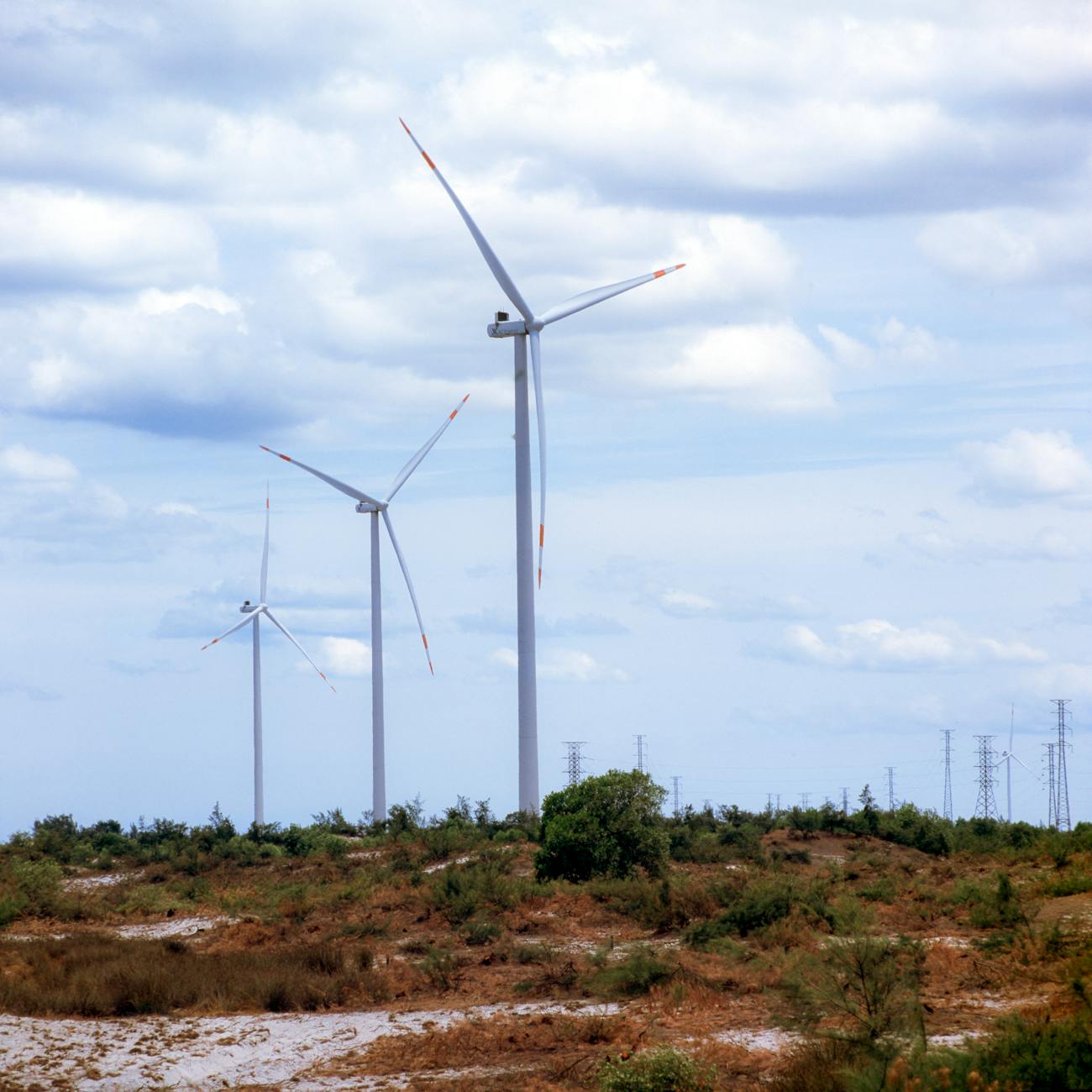
An array refers to a group of wind turbines that are interconnected and work together as a single unit within an offshore wind farm. Arrays typically consist of multiple turbines that are strategically placed to optimize energy production.
Atmospheric Stability #
Atmospheric stability refers to the condition of the atmosphere in which air parcels tend to remain in their original position rather than rise or sink. Stable atmospheric conditions are characterized by calm weather, while unstable conditions can lead to turbulence.
Avian Impact #
Avian impact refers to the potential negative effects that offshore wind farms can have on bird populations. This impact can include collision risks for birds flying near turbines or changes in habitat due to the presence of the wind farm.
B #
B
Balance of Plant (BoP) #
Balance of Plant encompasses all the components of an offshore wind farm that are not directly related to the wind turbines themselves. This includes infrastructure such as substations, cables, foundations, and other necessary equipment.
Blade Pitch Control #
Blade pitch control is a mechanism that allows the angle of the blades on a wind turbine to be adjusted in order to optimize energy production based on wind conditions. By changing the pitch of the blades, the turbine can capture more or less wind energy.
Breakeven Price #
The breakeven price is the price at which the revenue generated by an offshore wind farm equals the total costs associated with the project. This price is crucial for determining the financial viability of the wind farm.
C #
C
Capacity Factor #
The capacity factor of an offshore wind farm is a measure of its actual output compared to its maximum possible output over a period of time. It is typically expressed as a percentage and is used to assess the efficiency of the wind farm.
Carbon Footprint #
A carbon footprint refers to the total amount of greenhouse gases, particularly carbon dioxide, that are emitted as a result of human activities such as energy production. Offshore wind energy is considered a low-carbon alternative to traditional fossil fuels.
Condition Monitoring System (CMS) #
A condition monitoring system is used to continuously monitor the performance and health of wind turbines within an offshore wind farm. By detecting potential issues early, the CMS helps to prevent costly downtime and maintenance.
D #
D
Decommissioning #
Decommissioning refers to the process of dismantling and removing offshore wind turbines and associated infrastructure at the end of their operational life. Proper decommissioning is crucial to minimize environmental impact and ensure site restoration.
Direct Drive #
Direct drive technology eliminates the need for a gearbox in a wind turbine by directly connecting the rotor to a generator, resulting in fewer moving parts and potentially lower maintenance costs. Direct drive turbines are known for their reliability and efficiency.
Dynamic Cable Rating #
Dynamic cable rating refers to a system that continuously monitors the temperature of submarine cables in real-time and adjusts the power flow accordingly. This technology helps to maximize the transmission capacity of the cables without risking overheating.
E #
E
Environmental Impact Assessment (EIA) #
An Environmental Impact Assessment is a process used to evaluate the potential environmental effects of a proposed offshore wind project. This assessment helps to identify and mitigate any negative impacts on the surrounding ecosystem.
Energy Yield #
Energy yield refers to the amount of electricity that is produced by an offshore wind turbine over a specific period of time. Maximizing energy yield is essential for ensuring the financial viability of a wind farm.
Export Cable #
An export cable is a large-diameter cable that connects an offshore wind farm to an onshore substation, enabling the transmission of electricity generated by the turbines to the mainland grid. Export cables are crucial for delivering power to consumers.
F #
F
Foundation #
The foundation of an offshore wind turbine is the structure that supports the turbine and anchors it to the seabed. Different types of foundations, such as monopiles, jackets, and floating platforms, are used depending on water depth and soil conditions.
Full Load Hours #
Full load hours refer to the number of hours in a year that a wind turbine operates at its maximum rated capacity. This metric is used to assess the energy production potential of a turbine and calculate its annual output.
Floating Wind Turbine #
A floating wind turbine is a type of turbine that is not fixed to the seabed but instead floats on the surface of the water. Floating turbines are typically used in deep waters where traditional fixed foundations are not feasible.
G #
G
Grid Connection #
The grid connection is the point at which an offshore wind farm is connected to the onshore electricity grid. This connection allows the electricity generated by the wind turbines to be transmitted and distributed to consumers.
Generator #
The generator is a key component of a wind turbine that converts the mechanical energy from the rotating blades into electrical energy. Generators in offshore wind turbines can be either synchronous or asynchronous, depending on the design.
Global Horizontal Irradiance (GHI) #
Global Horizontal Irradiance refers to the total amount of solar radiation received per unit area on a horizontal surface. GHI data is often used in combination with wind data to assess the potential for hybrid offshore wind-solar projects.
H #
H
Hub Height #
The hub height of a wind turbine is the distance from the base of the tower to the center of the rotor hub. Increasing the hub height allows turbines to access stronger and more consistent wind speeds, resulting in higher energy production.
Hybrid Offshore Wind Farm #
A hybrid offshore wind farm combines wind energy generation with other renewable energy sources, such as solar or wave energy. By integrating multiple technologies, hybrid projects can optimize energy production and increase overall efficiency.
Hurricane #
Resistant Design: Hurricane-resistant design refers to the construction of offshore wind turbines and infrastructure to withstand extreme weather events such as hurricanes. By incorporating robust design features, wind farms can minimize damage and ensure operational safety.
I #
I
Installation Vessel #
An installation vessel is a specialized ship used to transport and install offshore wind turbines and associated components. These vessels are equipped with cranes, lifting tools, and other equipment necessary for offshore installation.
Intermittency #
Intermittency refers to the variability of wind energy production due to changes in wind speed and direction. The intermittent nature of wind power can present challenges for grid integration and requires effective energy storage solutions.
Inspection, Maintenance, and Repair (IMR) #
Inspection, Maintenance, and Repair activities are essential for ensuring the continued performance and longevity of offshore wind turbines. Regular IMR operations help to identify and address any issues that may arise during operation.
J #
J
Joint Industry Program (JIP) #
A Joint Industry Program is a collaborative research initiative involving multiple industry stakeholders to address common challenges and drive innovation in the offshore wind sector. JIPs facilitate knowledge sharing and technology development.
K #
K
Kinetic Energy #
Kinetic energy is the energy possessed by a moving object, such as the wind. Offshore wind turbines convert the kinetic energy of the wind into mechanical energy through the rotation of the blades, which is then converted into electrical energy.
L #
L
Levelized Cost of Energy (LCOE) #
The Levelized Cost of Energy is a metric used to compare the lifetime costs of different energy generation technologies on a consistent basis. The LCOE takes into account factors such as capital costs, operating expenses, and energy output.
Light Detection and Ranging (LiDAR) #
LiDAR is a remote sensing technology that uses laser pulses to measure distances to a target. LiDAR systems are commonly used in offshore wind to assess wind resource characteristics and optimize turbine siting and performance.
Load Factor #
The load factor of a wind turbine is a measure of its actual energy output compared to its maximum possible output over a period of time. A higher load factor indicates that the turbine is operating closer to its full capacity.
M #
M
Monopile #
A monopile is a type of foundation used to support offshore wind turbines in shallow to medium-depth waters. The monopile consists of a single large steel tube that is driven into the seabed to provide stability for the turbine.
Meteorological Mast #
A meteorological mast is a tall structure equipped with sensors to measure wind speed, direction, temperature, and other atmospheric conditions at various heights above the sea surface. This data is critical for assessing the wind resource at a potential wind farm site.
Micrositing #
Micrositing involves the detailed analysis of wind conditions and site characteristics to optimize the placement of individual wind turbines within an offshore wind farm. By strategically siting turbines, energy production can be maximized and wake effects minimized.
N #
N
Net Present Value (NPV) #
Net Present Value is a financial metric that calculates the current value of all future cash flows generated by an investment, taking into account the time value of money. NPV is used to assess the profitability of offshore wind projects.
O #
O
Operational Phase #
The operational phase of an offshore wind farm begins once the turbines are installed and connected to the grid. During this phase, the turbines generate electricity and undergo regular maintenance to ensure optimal performance and longevity.
Offshore Substation #
An offshore substation is a platform located at the wind farm site that collects and transforms the electricity generated by the turbines before transmitting it to the onshore grid via export cables. Offshore substations play a crucial role in power distribution.
Optimization #
Optimization involves the systematic improvement of offshore wind farm design, operation, and maintenance practices to maximize energy production and efficiency. By optimizing various aspects of the wind farm, overall performance can be enhanced.
P #
P
Power Purchase Agreement (PPA) #
A Power Purchase Agreement is a contract between an offshore wind developer and a utility or energy buyer to purchase the electricity generated by the wind farm at a predetermined price. PPAs provide revenue certainty for the project.
Platform #
A platform is a type of foundation used to support offshore wind turbines in deeper waters where traditional fixed foundations are not feasible. Platforms are typically floating structures that are anchored to the seabed to provide stability.
Permitting Process #
The permitting process involves obtaining the necessary approvals and licenses from regulatory authorities to develop and operate an offshore wind farm. Permitting requirements may vary depending on the location and scale of the project.
Q #
Q
Quality Control #
Quality control measures are implemented throughout the development, construction, and operation of an offshore wind farm to ensure that all components meet specified standards and requirements. Effective quality control is essential for project success and reliability.
R #
R
Resource Assessment #
Resource assessment involves evaluating the wind resource potential at a specific offshore site to determine the feasibility of a wind farm development. Accurate resource assessment is crucial for predicting energy production and project performance.
Rotor Diameter #
The rotor diameter of a wind turbine is the diameter of the circular area swept by the rotating blades. Larger rotor diameters enable turbines to capture more wind energy and generate higher power outputs, particularly in low wind conditions.
Remote Monitoring #
Remote monitoring systems are used to track the performance and condition of offshore wind turbines in real-time from a central control center. Remote monitoring allows operators to detect issues quickly and optimize turbine operation from a distance.
S #
S
Scour Protection #
Scour protection refers to measures taken to prevent erosion of the seabed around offshore wind turbine foundations. Scour can compromise the stability of the foundation and lead to structural damage, making proper protection essential for long-term operation.
Smart Grid #
A smart grid is an advanced electricity distribution system that uses digital technology to monitor and control power flows in real-time. Smart grids enable efficient integration of renewable energy sources like offshore wind and support grid stability.
Subsea Cable #
Subsea cables are used to connect offshore wind turbines to each other and to the offshore substation. These cables transmit electricity generated by the turbines to the substation for conversion and onward transmission to the onshore grid.
T #
T
Tidal Energy #
Tidal energy is a renewable energy source that harnesses the natural rise and fall of ocean tides to generate electricity. Tidal energy can be integrated with offshore wind farms to create hybrid renewable energy projects.
Technical Due Diligence #
Technical due diligence involves a comprehensive assessment of the technical aspects of an offshore wind project, including design, engineering, and construction plans. This process helps investors evaluate project risks and make informed investment decisions.
Transport and Installation (T&I) #
The transport and installation phase of an offshore wind project involves moving wind turbines and components from onshore assembly sites to the offshore location and installing them using specialized vessels and equipment.
U #
U
Underwater Noise #
Underwater noise refers to the sound generated by offshore wind turbine operations that can potentially impact marine life, particularly marine mammals. Mitigation measures are often implemented to minimize the effects of underwater noise on marine ecosystems.
V #
V
Voltage Source Converter (VSC) #
A Voltage Source Converter is a type of power electronic device used in high-voltage direct current (HVDC) transmission systems to convert alternating current (AC) to direct current (DC) and vice versa. VSC technology is commonly used in offshore wind interconnections.
Visual Impact Assessment #
A Visual Impact Assessment evaluates the potential visual effects of an offshore wind farm on the surrounding landscape and seascape. Visual impact assessments help developers design projects that minimize visual disturbance and preserve scenic views.
W #
W
Wake Effect #
The wake effect occurs when the turbulence generated by wind turbines affects the performance of downstream turbines, reducing their efficiency. Wake effects are important considerations in wind farm layout design to optimize energy production.
Wave Energy #
Wave energy is a renewable energy source that captures the kinetic energy of ocean waves to generate electricity. Wave energy converters can be integrated with offshore wind farms to create hybrid projects that maximize energy production.
Weather Risk Management #
Weather risk management involves strategies to mitigate the impact of weather-related disruptions on offshore wind farm operations. By implementing robust weather risk management plans, operators can optimize performance and minimize downtime.
X #
X
Xenon Flasher #
A xenon flasher is a type of navigational aid used on offshore wind turbines to improve their visibility to aircraft and vessels. Xenon flashers emit bright flashes of light at regular intervals to indicate the presence of the turbine.
Y #
Y
Yaw System #
The yaw system is a mechanism that allows a wind turbine to rotate horizontally to align with the direction of the wind. By adjusting the yaw angle, the turbine can capture the maximum amount of wind energy and optimize power generation.
Zero #
Subsidy: Zero-subsidy refers to offshore wind projects that are developed without government financial support or subsidies. These projects rely solely on market revenues and cost efficiencies to be economically viable, demonstrating the maturation of the offshore wind industry.
Z #
Z
Zonal Approach #
The zonal approach is a method used to divide offshore areas into zones for wind farm development based on factors such as wind resource potential, environmental sensitivity, and grid connection capacity. Zonal planning helps streamline the permitting process and optimize project siting.