
Wet Combing Techniques
Expert-defined terms from the Advanced Certificate in Lice Removal Techniques course at Stanmore School of Business. Free to read, free to share, paired with a professional course.
Wet Combing Techniques #
Wet combing techniques are a crucial method used in the advanced certificate in… #
This process involves combing wet hair with a fine-toothed comb to remove lice and their eggs. It is considered a manual method of lice removal and is often recommended as a first-line treatment before resorting to chemical treatments.
Concept #
Wet combing techniques rely on the physical removal of lice and nits from the ha… #
By combing through wet hair, the comb can catch lice, which are then removed from the hair. This method is preferred by many due to concerns about the potential side effects of chemical treatments and the rise of pesticide-resistant lice strains.
1. Lice #
Parasitic insects that infest the scalp and feed on blood.
2. Nits #
Lice eggs that are attached to the hair shafts.
3. Fine #
toothed comb: A comb with closely spaced teeth used for lice removal.
4. Pesticide resistance #
When lice develop resistance to chemical treatments.
5. Manual removal #
The physical removal of lice and nits from the hair.
Explanation #
Wet combing techniques involve several steps to effectively detect and remove li… #
The process typically includes the following steps:
1. Preparation #
Start by washing the hair with shampoo and conditioner to make combing easier. It is essential to use a conditioner that does not contain silicone, as this can make combing more challenging.
2. Sectioning #
Divide the hair into sections using hair clips to ensure thorough combing. Begin with one section at a time to prevent missing any lice or nits.
3. Application of lubricant #
Apply a lubricant such as conditioner or detangling spray to make combing smoother and prevent hair breakage.
4. Combing #
Using a fine-toothed comb, comb through each section of wet hair from the roots to the ends. Wipe the comb on a white paper towel after each stroke to check for lice or nits.
5. Repeat #
Continue combing through each section of hair until no lice or nits are found. It is essential to repeat the process every few days to ensure thorough removal.
6. Disposal #
Dispose of any lice or nits found in a sealed plastic bag to prevent re-infestation.
Examples #
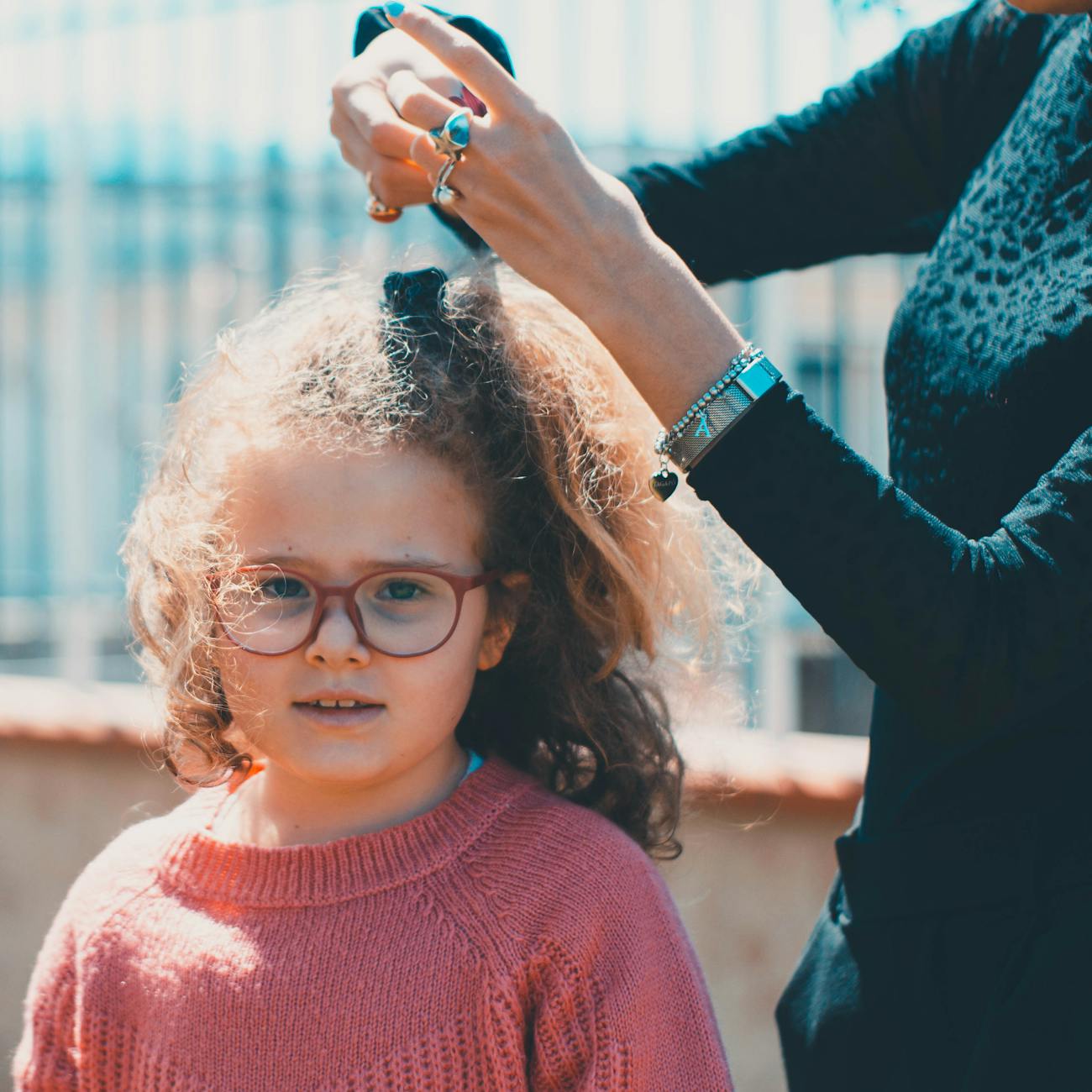
- A parent using wet combing techniques to remove lice from their child's hair #
- A parent using wet combing techniques to remove lice from their child's hair.
- A professional lice removal technician incorporating wet combing into their tr… #
- A professional lice removal technician incorporating wet combing into their treatment protocol.
Practical Applications #
Wet combing techniques are widely used in various settings, including homes, sch… #
This method is preferred for its safety and effectiveness, particularly for individuals who cannot use chemical treatments due to allergies or other concerns. It is a non-invasive way to manage lice infestations and can be easily learned and implemented by individuals with proper training.
Challenges #
While wet combing techniques are effective, they can be time #
consuming and require patience. It may take multiple sessions to completely remove all lice and nits from the hair. Additionally, individuals with thick or curly hair may find the process more challenging, as the comb may not easily glide through the hair. Proper training and practice are essential to master wet combing techniques and achieve successful lice removal.