
Rehabilitation Principles And Practices
Expert-defined terms from the Professional Certificate in Injury Rehabilitation for Personal Trainers course at Stanmore School of Business. Free to read, free to share, paired with a professional course.
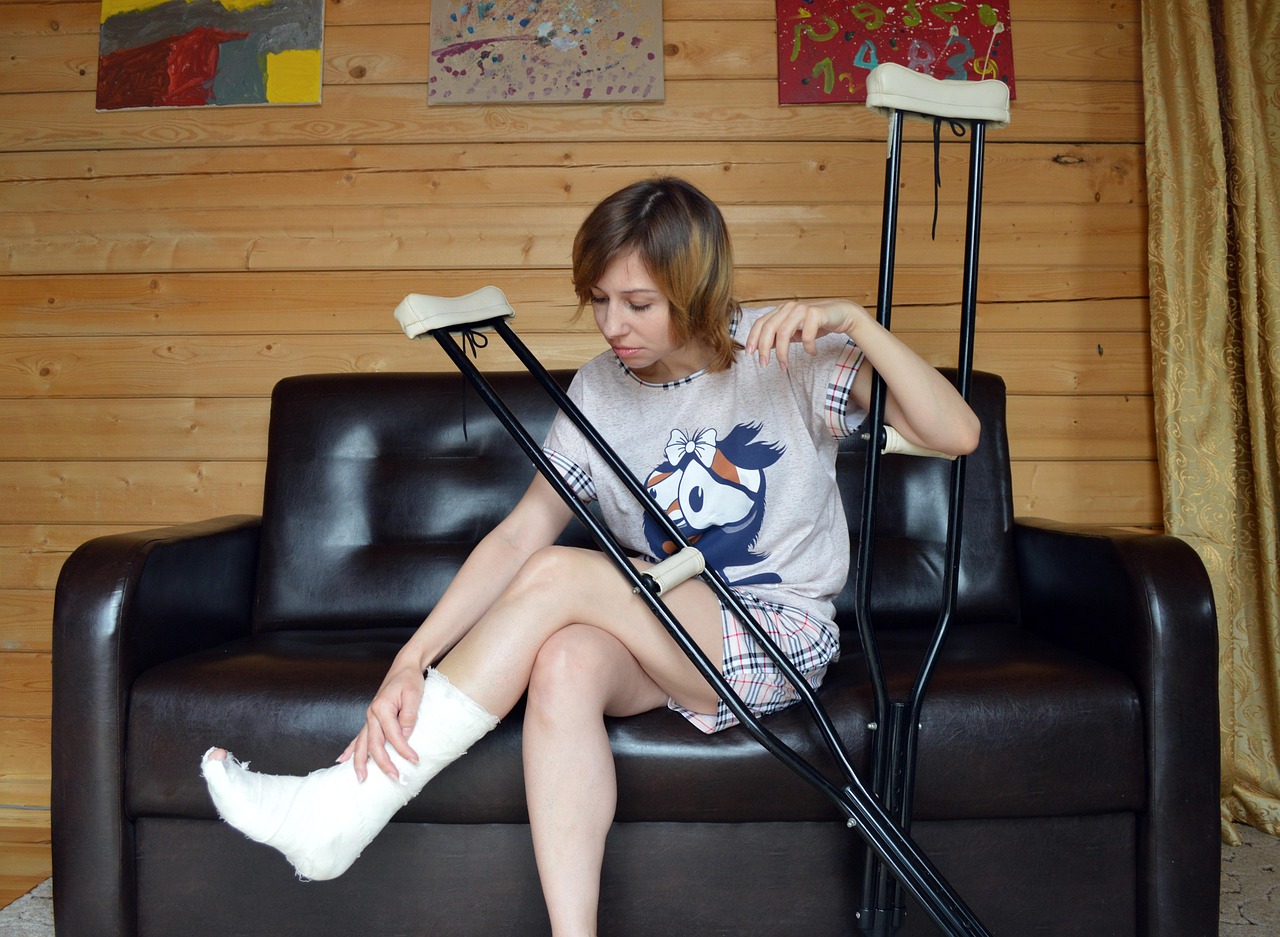
Acute Phase – The first 24‑72 hours after injury, characterized by pain,… #
Related terms: Inflammation, Rest. Practical application: Apply ice, compression, and elevation to control edema. Challenge: Distinguishing between normal inflammation and signs of severe tissue damage that require medical referral.
Active Range of Motion – Movement of a joint performed by the patient wit… #
Related terms: Passive ROM, Flexibility. Example: Shoulder abduction while seated. Practical application: Encourages circulation and prevents joint stiffness. Challenge: Ensuring the movement stays within pain‑free limits to avoid re‑injury.
Adaptation – The process by which tissues remodel in response to mechanic… #
Related terms: Progressive Overload, Hypertrophy. Example: Tendon fibers aligning along stress lines after eccentric training. Practical application: Schedule gradual increases in load. Challenge: Avoiding premature increases that could exceed the tissue’s capacity.
Aerobic Conditioning – Low‑intensity cardiovascular training that improve… #
Related terms: Endurance, VO₂ Max. Example: 30‑Minute treadmill walk at 60% heart‑rate reserve. Practical application: Maintains fitness during injury recovery. Challenge: Balancing cardio volume with the need for rest of the injured area.
Biomechanics – The study of forces acting on the body and the resulting m… #
Related terms: Kinetics, Kinematics. Example: Analyzing landing forces to identify risk of anterior cruciate ligament strain. Practical application: Modify technique to reduce joint load. Challenge: Translating complex data into actionable cues for clients.
Closed Kinetic Chain Exercise – Movements where the distal segment is fix… #
Related terms: Open Kinetic Chain, Joint Stability. Example: Body‑weight squat to strengthen quadriceps without excessive shear on the knee. Practical application: Safer early‑stage strengthening. Challenge: Ensuring proper alignment to prevent compensatory patterns.
Cone of Compression – The pressure exerted by a bandage or sleeve around… #
Related terms: Compression Therapy, Venous Return. Example: Elastic wrap applied to an ankle sprain. Practical application: Reduces swelling and supports proprioception. Challenge: Applying appropriate pressure without compromising circulation.
Cross‑Education – Training the non‑injured limb to preserve neuromuscular… #
Related terms: Contralateral Training, Neural Adaptation. Example: Using the healthy arm to perform mirror drills after a wrist fracture. Practical application: Mitigates loss of strength during immobilization. Challenge: Ensuring the healthy side does not over‑compensate and develop asymmetry.
Delayed Onset Muscle Soreness (DOMS) – Muscle pain appearing 24‑72 hours… #
Related terms: Micro‑Trauma, Recovery. Example: Soreness after a new eccentric protocol. Practical application: Schedule light activity and stretching to promote circulation. Challenge: Distinguishing DOMS from injury‑related pain that warrants medical assessment.
Eccentric Contraction – Muscle lengthening while generating force #
Related terms: Concentric, Isometric. Example: Lowering phase of a hamstring curl. Practical application: Effective for tendon remodeling and strength gains. Challenge: Higher risk of muscle damage if load exceeds tolerance.
Endurance Training – Sustained activity that improves the ability of musc… #
Related terms: Aerobic Conditioning, Metabolic Adaptation. Example: Cycling intervals at 70% VO₂ max. Practical application: Maintains cardiovascular health while a joint recovers. Challenge: Preventing overuse of the injured structure during prolonged sessions.
Exercise Prescription – The systematic selection of type, intensity, freq… #
Related terms: Program Design, Periodization. Example: 3 Sets of 12 reps at 60% 1‑RM for shoulder rehab. Practical application: Tailor programs to individual goals and injury status. Challenge: Balancing progressive overload with the need for tissue healing.
Flexibility – The capacity of a joint to move through its full range of m… #
Related terms: Mobility, Stretching. Example: Hamstring stretch reaching 90° hip flexion. Practical application: Incorporate dynamic stretches before training and static holds after. Challenge: Avoiding excessive stretch that may aggravate a healing muscle‑tendon unit.
Functional Movement Screening (FMS) – A series of movement tests to ident… #
Related terms: Movement Quality, Risk Assessment. Example: Deep squat assessment to detect hip asymmetry. Practical application: Inform corrective exercise selection. Challenge: Interpreting scores without over‑reliance on a single metric.
Gait Analysis – Evaluation of walking or running biomechanics #
Related terms: Stride Length, Ground Reaction Force. Example: Observing pronation during treadmill run. Practical application: Detect compensatory patterns post‑injury. Challenge: Requiring equipment or expertise for accurate data capture.
Gradual Progression – Incremental increase in training load #
Related terms: Progressive Overload, Stepwise Loading. Example: Adding 5% load each week to a squat program. Practical application: Ensures tissue adaptation while minimizing re‑injury risk. Challenge: Monitoring fatigue and individual variability.
Hamstring Bridge – A glute‑focused exercise that also engages the posteri… #
Related terms: Posterior Chain, Core Stability. Example: Lying supine, lifting hips while maintaining a straight line. Practical application: Strengthen hamstrings without excessive knee flexion stress. Challenge: Maintaining neutral spine to avoid lumbar strain.
Isometric Contraction – Muscle tension without joint movement #
Related terms: Concentric, Eccentric. Example: Holding a wall sit for 30 seconds. Practical application: Maintain strength when joint movement is contraindicated. Challenge: Limited hypertrophic stimulus compared with dynamic contractions.
Joint Mobilization – Manual techniques to improve accessory joint motion #
Related terms: Manipulation, Soft‑Tissue Mobilization. Example: Grade III glides of the ankle talocrural joint. Practical application: Restore arthrokinematic glide after immobilization. Challenge: Requiring therapist skill and client tolerance.
Kinetic Chain – Interconnected series of body segments that influence eac… #
Related terms: Closed Chain, Open Chain. Example: Ankle, knee, and hip coordination during a squat. Practical application: Design exercises that address deficits throughout the chain. Challenge: Isolating the primary contributor to a dysfunction.
Load Management – Systematic control of training volume and intensity #
Related terms: Periodization, Fatigue Monitoring. Example: Alternating high‑intensity days with active‑recovery sessions. Practical application: Prevent overtraining and support tissue healing. Challenge: Accurately tracking cumulative stress across multiple activities.
Low‑Load Blood Flow Restriction (LL‑BFR) – Training with reduced arterial… #
Related terms: Occlusion Training, Hypoxia. Example: 20% 1‑RM leg extensions with cuff applied at 40% arterial pressure. Practical application: Stimulate hypertrophy when high loads are contraindicated. Challenge: Ensuring safe cuff pressures and monitoring for adverse vascular responses.
Manual Therapy – Hands‑on techniques to treat soft‑tissue and joint restr… #
Related terms: Myofascial Release, Joint Mobilization. Example: Applying deep pressure to a tight pectoralis minor. Practical application: Reduce pain and improve tissue extensibility. Challenge: Therapist competency and client comfort level.
Muscle Memory – The rapid reacquisition of strength and coordination afte… #
Related terms: Neural Adaptation, Motor Learning. Example: Regaining squat depth after a 6‑week hiatus. Practical application: Leverage prior training history to accelerate rehab progression. Challenge: Distinguishing true memory from residual compensation patterns.
Neuromuscular Control – The ability of the nervous system to coordinate m… #
Related terms: Proprioception, Motor Control. Example: Single‑leg balance on an unstable surface. Practical application: Improve joint protection during dynamic tasks. Challenge: Progressive difficulty must match the client’s recovery stage.
Open Kinetic Chain Exercise – Movements where the distal segment is free,… #
Related terms: Closed Chain, Joint Shear. Example: Seated knee extension to isolate quadriceps. Practical application: Target specific muscles early in rehab. Challenge: Higher shear forces on the knee may aggravate certain pathologies.
Orthopedic Assessment – Structured evaluation of musculoskeletal injury,… #
Related terms: Differential Diagnosis, Clinical Examination. Example: Performing the Lachman test for ACL integrity. Practical application: Guides appropriate referral and treatment planning. Challenge: Requires extensive knowledge to avoid misdiagnosis.
Patellar Tracking – The movement pattern of the patella relative to the f… #
Related terms: Q‑Angle, Lateral Pull. Example: Observing medial glide during a squat. Practical application: Prescribe hip abductors to correct mal‑tracking. Challenge: Subtle deviations may be difficult to detect without imaging.
Periodization – Planned variation of training variables over time #
Related terms: Macrocycle, Mesocycle. Example: 12‑Week block alternating strength and power phases. Practical application: Align training peaks with competition or rehabilitation milestones. Challenge: Adjusting cycles when unexpected setbacks occur.
Plantar Flexion – Movement that points the foot downward away from the sh… #
Related terms: Dorsiflexion, Ankle ROM. Example: Calf raise exercise. Practical application: Strengthen gastrocnemius and soleus after Achilles tendinopathy. Challenge: Ensuring adequate ankle dorsiflexion range before loading.
Progressive Overload – Systematic increase of stress placed on the body #
Related terms: Gradual Progression, Load Management. Example: Adding 2.5 Kg to a dumbbell curl each week. Practical application: Drive adaptations while respecting tissue healing timelines. Challenge: Monitoring for signs of overreaching.
Proprioceptive Training – Exercises that enhance joint position sense #
Related terms: Balance, Neuromuscular Control. Example: Wobble‑board squats. Practical application: Reduce re‑injury risk after ankle sprain. Challenge: Progression must balance difficulty with safety.
Range of Motion (ROM) – The angular distance a joint can move between its… #
Related terms: Flexibility, Mobility. Example: Hip flexion measured at 115°. Practical application: Track improvements throughout rehab. Challenge: Differentiating true limitation from pain‑avoidance behavior.
Rehabilitation Protocol – A sequenced plan of therapeutic interventions #
Related terms: Exercise Prescription, Phase Progression. Example: Phase I: Pain control; Phase II: Mobility; Phase III: Strength. Practical application: Provides structure for client and trainer. Challenge: Individual variation may require deviation from standard protocols.
Recovery Modalities – Techniques used to accelerate post‑exercise healing #
Related terms: Ice, Compression, Active Rest. Example: Contrast water therapy after high‑intensity interval training. Practical application: Reduce delayed soreness and improve subsequent performance. Challenge: Evidence varies on efficacy for specific injuries.
Restorative Stretching – Slow, sustained stretches aimed at lengthening t… #
Related terms: Static Stretch, Flexibility. Example: 30‑Second hamstring hold post‑workout. Practical application: Improve muscle length after immobilization. Challenge: Avoiding overstretch that may trigger inflammatory responses.
Scapular Stabilization – Training the muscles that control scapular posit… #
Related terms: Postural Control, Shoulder Mechanics. Example: Prone “Y” raises to target lower trapezius. Practical application: Prevent shoulder impingement during overhead lifts. Challenge: Client awareness of subtle scapular cues.
Self‑Myofascial Release (SMR) – Use of tools like foam rollers to alter f… #
Related terms: Foam Rolling, Tissue Mobilization. Example: Rolling the quadriceps for 2 minutes. Practical application: Reduce muscle stiffness and improve blood flow. Challenge: Ensuring correct pressure to avoid tissue bruising.
Shoulder Impingement – Compression of rotator‑cuff tendons between humera… #
Related terms: Rotator Cuff, Subacromial Space. Example: Painful overhead reaching. Practical application: Modify technique and prescribe scapular‑centric exercises. Challenge: Differentiating from other sources of shoulder pain.
Soft‑Tissue Mobilization – Hands‑on manipulation of muscles, fascia, and… #
Related terms: Massage, Myofascial Release. Example: Cross‑fibre friction on a tight calf. Practical application: Break adhesions and improve tissue glide. Challenge: Therapist skill and client tolerance.
Speed Training – Drills designed to improve rapid force production #
Related terms: Power, Plyometrics. Example: Sprint intervals of 10 m with full recovery. Practical application: Restore neuromuscular efficiency after injury. Challenge: Ensuring adequate tissue readiness to avoid strain.
Stability Training – Exercises that develop joint integrity through contr… #
Related terms: Balance, Core Activation. Example: Single‑leg deadlift with light load. Practical application: Enhance proprioception and reduce collapse risk. Challenge: Progression must consider load tolerance.
Static Stretch – Holding a muscle‑tendon unit at length without movement #
Related terms: Flexibility, Restorative Stretch. Example: 45‑Second calf stretch against a wall. Practical application: Increase muscle length after periods of immobilization. Challenge: Over‑stretching can provoke inflammation.
Strength #
Endurance – Capacity to sustain submaximal force over time. Related terms: Muscular Endurance, Hypertrophy. Example: 3 Sets of 20 reps at 50% 1‑RM. Practical application: Prepare limb for sport‑specific demands while protecting healing tissue. Challenge: Balancing volume with recovery.
Supercompensation – The adaptive response where performance exceeds basel… #
Related terms: Periodization, Load Management. Example: Peak power output 48 hours after a heavy squat session. Practical application: Schedule training cycles to align peaks with competition or testing. Challenge: Mis‑timing can lead to overtraining.
Surface Electromyography (sEMG) – Non‑invasive recording of muscle electr… #
Related terms: Neuromuscular Activation, Biofeedback. Example: Monitoring quadriceps activation during a squat. Practical application: Verify target muscle engagement. Challenge: Signal noise and electrode placement affect accuracy.
Surgical Referral – Decision to direct a client to a qualified medical pr… #
Related terms: Orthopedic Assessment, Red Flag. Example: Persistent instability after three months of rehab. Practical application: Ensures appropriate care for injuries beyond conservative scope. Challenge: Recognizing subtle signs that warrant urgent referral.
Therapeutic Exercise – Structured movement designed to restore function #
Related terms: Exercise Prescription, Rehabilitation Protocol. Example: Heel‑toe raises for ankle dorsiflexor strength. Practical application: Integrate into daily routine for progressive recovery. Challenge: Maintaining client motivation over repetitive phases.
Time Under Tension (TUT) – Total duration a muscle experiences load durin… #
Related terms: Load Management, Volume. Example: 4‑Second eccentric + 2‑second pause + 2‑second concentric = 8 seconds per rep. Practical application: Manipulate TUT to target hypertrophy or endurance. Challenge: Longer TUT may increase metabolic fatigue in injured tissues.
Traction – Application of a pulling force to separate joint surfaces #
Related terms: Joint Mobilization, Decompression. Example: Cervical traction for neck stiffness. Practical application: Alleviate joint compression and improve range. Challenge: Contraindicated in certain vascular or bone conditions.
Trigger Point – Hyperirritable spot in a taut band of muscle #
Related terms: Myofascial Pain, SMR. Example: Palpable knot in the upper trapezius causing referred headache. Practical application: Isolate and release with pressure or needling. Challenge: Distinguishing active trigger points from latent ones.
Unilateral Training – Working one side of the body independently #
Related terms: Bilateral, Asymmetry. Example: Single‑arm dumbbell press to address shoulder imbalance. Practical application: Correct strength disparities after injury. Challenge: Ensuring the uninjured side does not overcompensate.
Velocity‑Based Training (VBT) – Monitoring bar speed to regulate load int… #
Related terms: Power, Load Management. Example: Maintaining a mean propulsive velocity of 0.6 M/s for squat sets. Practical application: Auto‑adjust loads to match daily readiness. Challenge: Equipment cost and data interpretation.
Volume Load – Total amount of work performed, calculated as sets × reps ×… #
Related terms: Intensity, Load Management. Example: 4 × 10 × 50 Kg = 2000 kg total. Practical application: Quantify training stimulus and compare across sessions. Challenge: High volume may exacerbate inflammation if tissue is not fully recovered.
Weighted Vest Training – Adding external load via a vest to bodyweight mo… #
Related terms: Progressive Overload, Load Management. Example: 10 Kg vest during walking lunges. Practical application: Increase stimulus without altering joint angles. Challenge: Ensuring load distribution does not stress healing structures.
Warm‑Up – Preparatory activities that increase body temperature and neura… #
Related terms: Dynamic Stretch, Activation. Example: 5‑Minute light jog followed by leg swings. Practical application: Reduce injury risk and improve performance. Challenge: Designing a warm‑up that respects the acute phase limitations.
Weight‑Bearing Exercise – Activities that load the skeletal system throug… #
Related terms: Non‑Weight‑Bearing, Load Management. Example: Standing calf raise after ankle fracture. Practical application: Stimulate bone remodeling and functional strength. Challenge: Selecting safe load levels during early recovery.
Whole‑Body Vibration (WBV) – Platform‑based mechanical oscillations to st… #
Related terms: Neuromuscular Activation, Rehabilitation Modality. Example: 30 Seconds at 35 Hz on a vibration plate. Practical application: Improve proprioception and strength in immobilized limbs. Challenge: Contraindicated for certain cardiovascular or neurological conditions.
Work Capacity – The ability to sustain physical effort over time #
Related terms: Endurance, Power. Example: Total joules produced during a 5‑minute rowing test. Practical application: Gauge readiness for progressive training phases. Challenge: Accurately measuring in a clinical setting.
Y‑Balance Test – A dynamic balance assessment measuring reach distances i… #
Related terms: Proprioception, Functional Assessment. Example: Participant balances on one foot while reaching forward, backward, and laterally. Practical application: Identify asymmetries that may predispose to lower‑limb injury. Challenge: Learning curve for consistent administration.
Z‑Score (Rehabilitation Metrics) – Statistical measure indicating how man… #
Related terms: Normative Data, Outcome Measure. Example: A squat depth Z‑score of +1.2 Indicating above‑average flexibility. Practical application: Track progress relative to normative benchmarks. Challenge: Requires robust reference data and appropriate scaling.