
Wood Finishing And Decoration
Expert-defined terms from the Advanced Furniture Making course at Stanmore School of Business. Free to read, free to share, paired with a professional course.
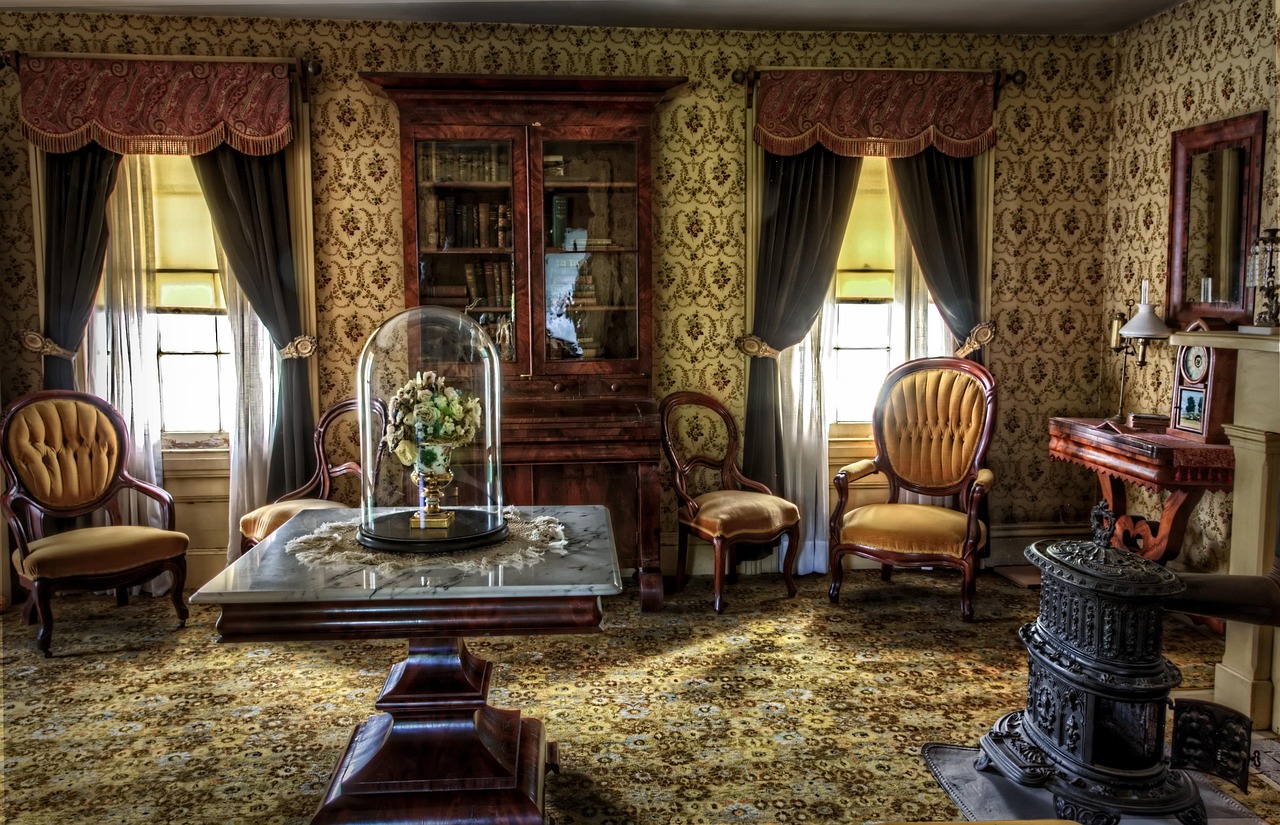
Aging #
Aging refers to the process of allowing wood to sit for an extended period, often months or years, to develop a unique character and patina. This process can help to mellow out the wood, reducing any harsh or green tones, and resulting in a more mature appearance. Related terms: Patina, character, mellow. Acid curing: Acid curing is a process used to cure and harden certain types of wood finishes, such as shellac or lacquer. This process involves applying a weak acid solution to the finish, which helps to harden and stabilize the finish. Related terms: Curing, hardening, shellac. Acrylic: Acrylic refers to a type of water-based wood finish made from synthetic polymers. Acrylic finishes are known for their flexibility and resistance to cracking and fading. Related terms: Water-based, synthetic, polymers. Adhesive: Adhesive refers to any substance used to bond two or more surfaces together. In wood finishing, adhesives are often used to attach veneers or other decorative elements to a wood surface. Related terms: Bond, veneer, attachment. Alkyd: Alkyd refers to a type of oil-based wood finish made from synthetic resins. Alkyd finishes are known for their durability and resistance to wear and tear. Related terms: Oil-based, synthetic, resins. Aniline dye: Aniline dye is a type of transparent dye used to color wood. Aniline dyes are known for their vibrant colors and are often used to create deep and rich tones. Related terms: Transparent, dye, color. Antique finish: Antique finish refers to a type of finish that is designed to mimic the appearance of an aged or vintage piece of furniture. Antique finishes often involve the use of distressing techniques and wax or shellac finishes. Related terms: Antique, vintage, distressing. Ash: Ash is a type of hardwood that is often used in furniture making. Ash is known for its flexibility and resistance to shock and impact. Related terms: Hardwood, flexibility, shock. Awning: Awning refers to a type of fabric or material used to create a covering or shade for a piece of furniture. Awnings are often used on outdoor furniture to provide protection from the elements. Related terms: Fabric, material, covering. Beading: Beading refers to the process of creating a raised decorative edge or border on a piece of wood. Beading can be done using a variety of tools and techniques, including hand carving and machine routing. Related terms: Decorative, edge, border. Bee's wax: Bee's wax is a type of natural wax used to protect and condition wood surfaces. Bee's wax is often used on antique or vintage pieces of furniture to maintain their original finish. Related terms: Natural, wax, protect. Bending: Bending refers to the process of shaping a piece of wood into a curved or rounded shape. Bending can be done using a variety of techniques, including steam bending and kerfing. Related terms: Curved, rounded, steam. Bleaching: Bleaching refers to the process of lightening the color of a piece of wood using a chemical solution. Bleaching can be used to remove stains or discoloration from a wood surface. Related terms: Lightening, chemical, solution. Blotching: Blotching refers to the appearance of uneven or irregular color patterns on a wood surface. Blotching can be caused by a variety of factors, including inconsistent staining or uneven wood grain. Related terms: Uneven, irregular, color. Book matching: Book matching refers to the process of arranging two or more pieces of wood to create a symmetrical or mirrored pattern. Book matching is often used in veneering and marquetry to create decorative and intricate designs. Related terms: Symmetrical, mirrored, veneering. Borneo: Borneo is a type of exotic hardwood that is often used in furniture making. Borneo is known for its beautiful and unique grain patterns. Related terms: Exotic, hardwood, grain. Buffing: Buffing refers to the process of using a soft cloth or pad to polish and shine a wood surface. Buffing can be used to remove scratches or imperfections from a wood surface. Related terms: Polish, shine, soft. Burnishing: Burnishing refers to the process of using a tool or instrument to rub and polish a wood surface. Burnishing can be used to create a high-gloss finish or to remove scratches or imperfections from a wood surface. Related terms: Tool, instrument, rub. Cabinet: Cabinet refers to a type of furniture that is designed to store and display items. Cabinets can be made from a variety of materials, including wood, metal, and glass. Related terms: Furniture, store, display. Casing: Casing refers to the process of covering or encasing a piece of wood with a decorative or protective material. Casing can be used to add a decorative edge or border to a piece of wood. Related terms: Decorative, protective, material. Cedar: Cedar is a type of softwood that is often used in furniture making. Cedar is known for its distinctive and pleasant aroma. Related terms: Softwood, aroma, distinctive. Cellulose: Cellulose is a type of natural fiber that is found in wood and other plant materials. Cellulose is often used to make paper and other cellulosic products. Related terms: Natural, fiber, plant. Cherry: Cherry is a type of hardwood that is often used in furniture making. Cherry is known for its rich and reddish-brown color. Related terms: Hardwood, rich, reddish-brown. Coating: Coating refers to the process of applying a thin layer of material to a wood surface. Coatings can be used to protect and decorate a wood surface. Related terms: Thin, material, protect. Colorant: Colorant refers to any substance used to change or enhance the color of a wood surface. Colorants can be used to create a variety of colors and effects. Related terms: Substance, change, enhance. Composite: Composite refers to a type of material that is made from a combination of different materials. Composite materials are often used in furniture making to create strong and durable products. Related terms: Material, combination, strong. Conditioner: Conditioner refers to a type of product used to condition and protect a wood surface. Conditioners can be used to restore and maintain the health and appearance of a wood surface. Related terms: Product, condition, protect. Cork: Cork is a type of natural material that is often used in furniture making. Cork is known for its unique and versatile properties. Related terms: Natural, unique, versatile. Crown molding: Crown molding refers to a type of decorative molding that is used to cover the joint where a ceiling meets a wall. Crown molding can be made from a variety of materials, including wood and plaster. Related terms: Decorative, molding, joint. Curing: Curing refers to the process of hardening or setting a wood finish or adhesive. Curing can be done using a variety of methods, including heat and light. Related terms: Hardening, setting, adhesive. Cutting: Cutting refers to the process of removing or separating a piece of wood from a larger stock. Cutting can be done using a variety of tools and techniques, including saws and chisels. Related terms: Removing, separating, stock. Decal: Decal refers to a type of decorative image or design that is applied to a wood surface using a transfer process. Decals can be used to add a personalized or custom touch to a piece of furniture. Related terms: Decorative, image, design. Decorative: Decorative refers to any element or feature that is used to enhance the aesthetic appeal of a piece of furniture. Decorative elements can include carvings, moldings, and ornaments. Related terms: Element, feature, aesthetic. Distressing: Distressing refers to the process of creating a worn or aged appearance on a piece of furniture. Distressing can be done using a variety of techniques, including sanding and staining. Related terms: Worn, aged, appearance. Drying: Drying refers to the process of removing moisture from a wood surface. Drying can be done using a variety of methods, including air drying and kiln drying. Related terms: Removing, moisture, air. Dye: Dye refers to a type of colorant that is used to change or enhance the color of a wood surface. Dyes can be used to create a variety of colors and effects. Related terms: Colorant, change, enhance. Edge: Edge refers to the boundary or perimeter of a piece of wood. Edges can be smooth or rough, and can be treated with a variety of techniques to enhance their appearance. Related terms: Boundary, perimeter, smooth. Embossing: Embossing refers to the process of creating a raised or three-dimensional design on a wood surface. Embossing can be done using a variety of tools and techniques, including stamps and dies. Related terms: Raised, three-dimensional, design. Enamel: Enamel refers to a type of hard and durable finish that is made from a combination of resins and pigments. Enamel finishes are often used on metal and wood surfaces. Related terms: Hard, durable, resins. Epoxy: Epoxy refers to a type of strong and versatile adhesive that is made from a combination of resins and hardeners. Epoxy adhesives are often used in furniture making to bond and repair wood surfaces. Related terms: Strong, versatile, resins. Etching: Etching refers to the process of creating a design or pattern on a wood surface using a chemical solution. Etching can be used to add a decorative or personalized touch to a piece of furniture. Related terms: Design, pattern, chemical. Facing: Facing refers to the process of attaching a thin layer of material to a wood surface. Facing can be used to cover or conceal imperfections on a wood surface. Related terms: Attaching, thin, material. Faux: Faux refers to a type of decorative finish that is designed to mimic the appearance of a natural material, such as wood or stone. Faux finishes can be used to create a unique and custom look. Related terms: Decorative, mimic, natural. Fiber: Fiber refers to a type of natural or synthetic material that is used to reinforce or strengthen a wood surface. Fibers can be used to create a variety of composites and materials. Related terms: Natural, synthetic, reinforce. Filling: Filling refers to the process of repairing or replacing a damaged or missing area of a wood surface. Filling can be done using a variety of materials and techniques, including putty and caulking. Related terms: Repairing, replacing, damaged. Finishing: Finishing refers to the process of applying a finish or coating to a wood surface. Finishing can be done using a variety of techniques and materials, including staining and varnishing. Related terms: Applying, finish, coating. Fireproofing: Fireproofing refers to the process of treating a wood surface to resist or withstand fire. Fireproofing can be done using a variety of materials and techniques, including coatings and chemicals. Related terms: Treating, resist, withstand. Flame: Flame refers to a type of decorative finish that is designed to mimic the appearance of flame or fire. Flame finishes can be used to create a unique and dramatic look. Related terms: Decorative, mimic, flame. Flaking: Flaking refers to the process of removing or peeling a layer of material from a wood surface. Flaking can be done using a variety of tools and techniques, including scrapers and chisels. Related terms: Removing, peeling, layer. Formaldehyde: Formaldehyde refers to a type of chemical that is often used in the production of wood and composite materials. Formaldehyde can be hazardous to human health and the environment. Related terms: Chemical, wood, composite. French polish: French polish refers to a type of high-gloss finish that is made from a combination of shellac and other materials. French polish is often used on fine furniture and woodwork to create a beautiful and durable finish. Related terms: High-gloss, shellac, fine. Gilding: Gilding refers to the process of applying a thin layer of metal to a wood surface. Gilding can be used to create a decorative or ornate look. Related terms: Applying, thin, metal. Glaze: Glaze refers to a type of transparent or semi-transparent finish that is used to enhance the appearance of a wood surface. Glazes can be used to create a variety of colors and effects. Related terms: Transparent, semi-transparent, enhance. Glue: Glue refers to a type of adhesive that is used to bond two or more surfaces together. Glue can be made from a variety of materials, including animal products and synthetic polymers. Related terms: Adhesive, bond, materials. Grain: Grain refers to the pattern or texture of a wood surface. Grain can be straight or curved, and can be coarse or fine. Related terms: Pattern, texture, straight. Handrail: Handrail refers to a type of bar or railing that is used to provide support or guidance on a staircase or walkway. Handrails can be made from a variety of materials, including wood and metal. Related terms: Bar, railing, support. Hardwood: Hardwood refers to a type of wood that is dense and hard. Hardwoods are often used in furniture making to create strong and durable products. Related terms: Dense, hard, strong. Inlay: Inlay refers to the process of inserting a thin layer of material into a wood surface. Inlay can be used to create a decorative or intricate design. Related terms: Inserting, thin, material. Intarsia: Intarsia refers to a type of decorative woodwork that involves inlaying small pieces of wood into a larger design. Intarsia can be used to create a beautiful and intricate pattern. Related terms: Decorative, inlaying, design. Isocyanate: Isocyanate refers to a type of chemical that is often used in the production of foams and coatings. Isocyanates can be hazardous to human health and the environment. Related terms: Chemical, foams, coatings. Jatoba: Jatoba refers to a type of exotic hardwood that is often used in furniture making. Jatoba is known for its beautiful and unique grain patterns. Joint: Joint refers to the connection or intersection of two or more pieces of wood. Joints can be strong or weak, and can be reinforced using a variety of techniques and materials. Related terms: Connection, intersection, strong. Kerf: Kerf refers to the cut or groove made by a saw or other tool. Kerfs can be narrow or wide, and can be used to create a variety of joints and connections. Related terms: Cut, groove, saw. Knot: Knot refers to a hard or dense area in a piece of wood where a branch or limb has grown. Knots can be strong or weak, and can be used to create a variety of decorative effects. Related terms: Hard, dense, branch. Lacquer: Lacquer refers to a type of clear or colored finish that is made from a combination of resins and solvents. Lacquer finishes are often used on wood and metal surfaces to create a high-gloss finish. Related terms: Clear, colored, resins. Laminating: Laminating refers to the process of attaching multiple layers of material together using adhesives or other methods. Laminating can be used to create a variety of composite materials and products. Related terms: Attaching, material, adhesives. Liming: Liming refers to the process of applying a white or light-colored finish to a wood surface. Liming can be used to create a decorative or distressed look. Related terms: Applying, white, light-colored. Linings: Linings refer to the inner surfaces of a piece of furniture, such as the sides or back of a cabinet. Linings can be made from a variety of materials, including wood and fabric. Related terms: Inner, surfaces, materials. Machining: Machining refers to the process of cutting or shaping a piece of wood using a machine or tool. Machining can be used to create a variety of parts and components for furniture making. Related terms: Cutting, shaping, machine. Marbling: Marbling refers to the process of creating a marbled or mottled effect on a wood surface. Marbling can be used to create a unique and decorative look. Related terms: Creating, marbled, mottled. Marquetry: Marquetry refers to the process of inlaying small pieces of wood or other materials into a larger design. Marquetry can be used to create a beautiful and intricate pattern. Related terms: Inlaying, design, pattern. Molding: Molding refers to the process of shaping or forming a piece of wood into a specific shape or design. Molding can be used to create a variety of decorative elements, such as corners and edges. Related terms: Shaping, forming, design. Mortise: Mortise refers to a cut or groove made in a piece of wood to receive a tenon or other joining element. Mortises can be used to create a variety of strong and secure joints. Related terms: Cut, groove, tenon. Mycology: Mycology refers to the study of fungi and their effects on wood and other materials. Mycology can be used to understand and prevent fungal growth and decay in wood. Related terms: Fungi, effects, materials. Nailing: Nailing refers to the process of attaching two or more pieces of wood together using nails or other fasteners. Nailing can be used to create a variety of strong and secure joints. Related terms: Attaching, nails, fasteners. Natural: Natural refers to a type of finish or appearance that is characteristic of a particular wood or material. Natural finishes can be used to enhance the beauty and character of a piece of furniture. Related terms: Finish, appearance, characteristic. Oil: Oil refers to a type of finish or coating that is made from a combination of oils and waxes. Oil finishes are often used on wood surfaces to protect and condition the wood. Related terms: Finish, coating, oils. Overlay: Overlay refers to the process of attaching a thin layer of material to a wood surface. Overlay can be used to create a variety of decorative elements, such as inlays and veneers. Padauk: Padauk refers to a type of exotic hardwood that is often used in furniture making. Padauk is known for its beautiful and unique grain patterns. Pallet: Pallet refers to a type of platform or base used to support or transport goods. Pallets can be made from a variety of materials, including wood and plastic. Related terms: Platform, base, support. Paper: Paper refers to a type of material made from wood or other plant fibers. Paper can be used to create a variety of products, including paper and cardboard. Related terms: Material, wood, plant. Parquetry: Parquetry refers to the process of inlaying small pieces of wood or other materials into a larger design. Parquetry can be used to create a beautiful and intricate pattern. Patina: Patina refers to the aged or worn appearance of a piece of furniture or object. Patina can be used to create a unique and characteristic look. Related terms: Aged, worn, appearance. Pine: Pine refers to a type of softwood that is often used in furniture making. Pine is known for its light and airy appearance. Related terms: Softwood, light, airy. Polyurethane: Polyurethane refers to a type of finish or coating that is made from a combination of resins and isocyanates. Polyurethane finishes are often used on wood surfaces to protect and condition the wood. Related terms: Finish, coating, resins. Polyvinyl: Polyvinyl refers to a type of synthetic material that is often used in furniture making. Polyvinyl can be used to create a variety of products, including upholstery and veneers. Related terms: Synthetic, material, products. Pore: Pore refers to a small opening or cavity in a wood surface. Pores can be used to absorb or release moisture and other substances. Related terms: Opening, cavity, absorb. Porous: Porous refers to a type of material that is permeable to air or liquids. Porous materials can be used to absorb or release moisture and other substances. Related terms: Material, permeable, air. Pressure: Pressure refers to the force or weight that is applied to a wood surface. Pressure can be used to shape or mold a piece of wood into a specific shape or form. Related terms: Force, weight, shape. Plywood: Plywood refers to a type of engineered wood that is made from multiple layers of wood veneer. Plywood can be used to create a variety of products, including furniture and construction materials. Related terms: Engineered, wood, veneer. Polishing: Polishing refers to the process of smoothing or shining a wood surface. Polishing can be used to create a high-gloss finish or to remove scratches or imperfections from a wood surface. Related terms: Smoothing, shining, finish. Poplar: Poplar refers to a type of wood that is often used in furniture making. Poplar is known for its light and airy appearance. Related terms: Wood, light, airy. Porphyry: Porphyry refers to a type of rock that is often used in furniture making. Porphyry is known for its beautiful and unique grain patterns. Related terms: Rock, beautiful, unique. Post: Post refers to a type of vertical support or column that is used in furniture making. Posts can be made from a variety of materials, including wood and metal. Related terms: Vertical, support, column. Pulp: Pulp refers to a type of material made from wood or other plant fibers. Pulp can be used to create a variety of products, including paper and cardboard. Quirk: Quirk refers to a small groove or channel that is cut into a piece of wood.