
Strategic Facilities Planning
Strategic Facilities Planning is the systematic process of aligning an organization’s physical assets with its long‑term business objectives. It involves assessing current space, forecasting future needs, and developing a roadmap that guide…
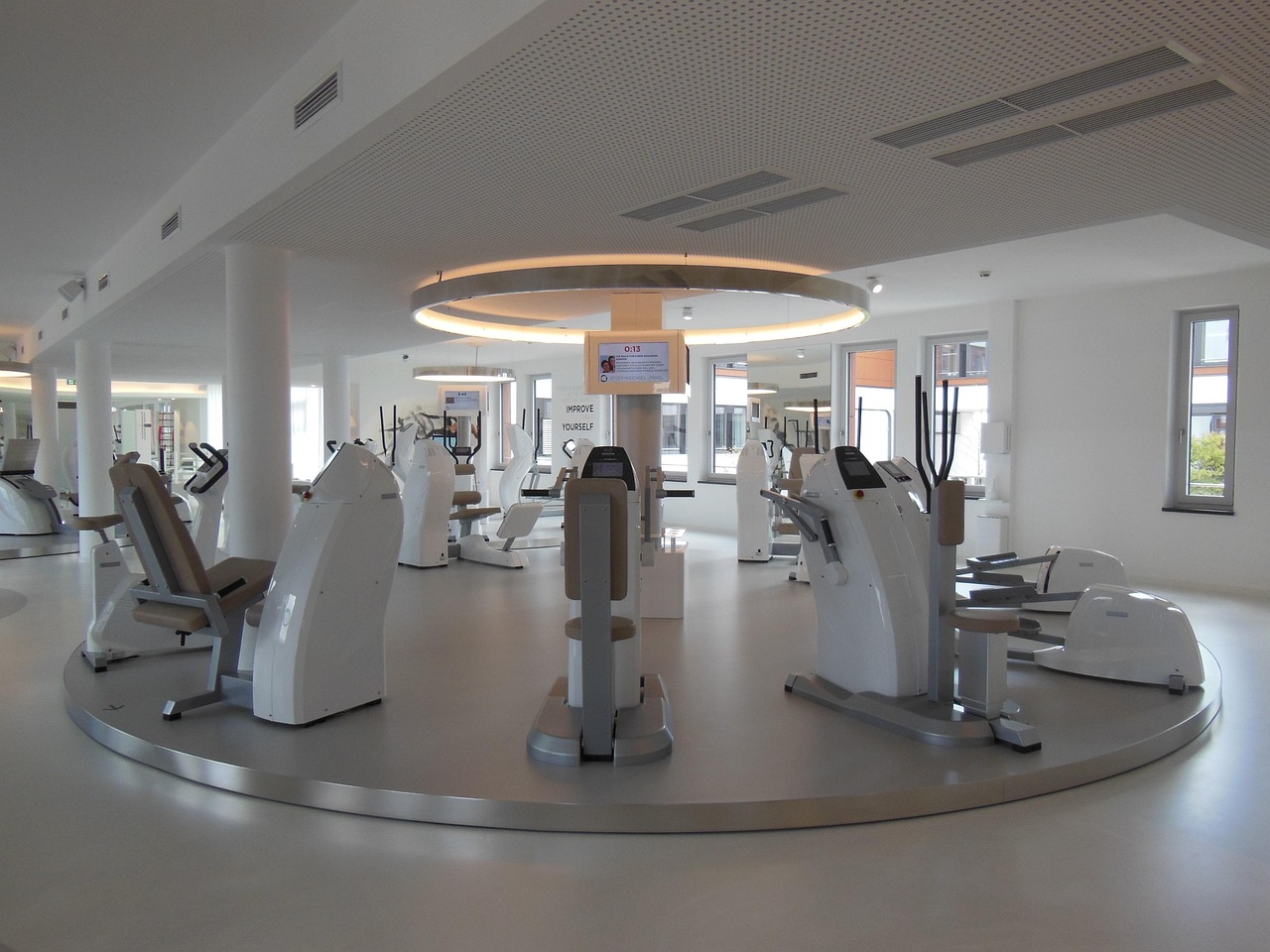
Strategic Facilities Planning is the systematic process of aligning an organization’s physical assets with its long‑term business objectives. It involves assessing current space, forecasting future needs, and developing a roadmap that guides investment, renovation, and disposal decisions. The purpose is to ensure that the built environment supports operational efficiency, employee productivity, and corporate strategy. For example, a multinational bank that plans to expand its digital services may use strategic facilities planning to identify the need for additional data centre space, collaborative work zones, and customer‑facing branches in high‑growth regions. A common challenge is balancing short‑term budget constraints with the need for long‑term flexibility; organizations often struggle to justify upfront capital outlays when the benefits are realized several years later.
Facility Management (FM) is the discipline that integrates people, processes, and technology to maintain and enhance the built environment. FM encompasses both hard services (e.G., Building systems, structural maintenance) and soft services (e.G., Cleaning, security). In the context of strategic planning, FM provides the operational insight needed to evaluate the performance of existing assets and to predict the impact of changes. A practical application is the use of a Computer‑Aided Facility Management (CAFM) system to track work orders, schedule preventive maintenance, and generate performance reports. One of the biggest challenges for FM professionals is the increasing expectation to deliver value beyond traditional maintenance, requiring a shift toward proactive, data‑driven decision making.
Space Utilization refers to the measurement of how effectively an organization’s floor area is used. It is usually expressed as a percentage of occupied versus available space, or as a ratio of usable to gross square footage. For instance, a call‑centre that operates on a shift model may find that its desks are occupied only 60 % of the time, indicating an opportunity for desk sharing or hot‑desking. The challenge lies in gathering accurate data; many organizations rely on manual counts, which are time‑consuming and prone to error, whereas automated occupancy sensors can provide real‑time insights but require significant investment and data integration.
Lifecycle Costing (LCC) is a financial analysis technique that evaluates the total cost of ownership of a facility asset over its entire lifespan, from acquisition through operation to disposal. LCC includes capital costs, operating expenses, maintenance, energy consumption, and end‑of‑life residual value. A university planning a new laboratory building may use LCC to compare a high‑initial‑cost, energy‑efficient design with a lower‑cost, less‑efficient alternative. By incorporating projected energy savings, the institution may find that the efficient design yields a lower net present cost over a 30‑year horizon. The primary challenge is gathering reliable cost data for each lifecycle phase and applying appropriate discount rates to reflect the time value of money.
Capital Planning is the process of identifying, prioritising, and allocating funds for long‑term investments in facilities and infrastructure. It typically involves a capital budget, a list of projects, and a governance framework for approval. An example is a public sector agency that develops a five‑year capital plan to replace ageing HVAC systems across its office portfolio. The difficulty often arises from competing demands for limited capital; decision makers must balance strategic imperatives with statutory obligations, political pressures, and risk considerations.
Asset Management is the systematic approach to developing, operating, maintaining, upgrading, and disposing of assets in a cost‑effective manner. In facilities, assets include buildings, plant equipment, furniture, and technology. An asset manager might maintain a central register that records each asset’s location, condition, maintenance history, and financial depreciation. The challenge is ensuring data integrity; inaccurate asset records can lead to unnecessary replacement, missed maintenance, and compliance breaches.
Preventive Maintenance (PM) refers to scheduled activities performed to reduce the likelihood of equipment failure. PM tasks are based on manufacturer recommendations, usage patterns, and condition monitoring. For example, a hospital’s biomedical engineering department may schedule quarterly calibration of infusion pumps to ensure reliability. The main obstacle is striking the right balance between the frequency of PM and the resources required; overly aggressive schedules increase costs, while insufficient maintenance raises the risk of unplanned downtime.
Reactive Maintenance is the unplanned repair work that occurs after a failure has been detected. While unavoidable in some cases, excessive reliance on reactive maintenance indicates poor asset health management. A retail chain that frequently calls technicians to fix broken refrigeration units may experience lost sales and increased warranty claims. The challenge is that reactive maintenance is typically more expensive per incident than preventive work and can erode customer satisfaction.
Facility Condition Index (FCI) is a quantitative metric that compares the cost of remedial repairs to the current replacement value of a building. An FCI of 0.10 (10 %) Suggests that the building is in good condition, while an FCI above 0.30 May indicate significant deterioration. A municipal government might use FCI to prioritise which schools require renovation before the next budgeting cycle. The difficulty lies in accurately estimating repair costs, which often require detailed condition surveys and professional judgement.
Space Management is the practice of planning, allocating, and optimising the use of an organization’s physical space. It involves activities such as space allocation, move management, and workspace design. A law firm may implement a space‑management strategy that consolidates individual offices into shared suites, thereby reducing rent expenses. One of the biggest challenges is change management; employees may resist alterations to their familiar work environments, requiring effective communication and stakeholder engagement.
Workplace Strategy encompasses the policies, processes, and designs that shape how work is performed within a physical environment. It aligns organisational culture, technology, and employee needs with spatial solutions. For instance, a technology start‑up may adopt an activity‑based working (ABW) model, providing a mix of collaborative zones, quiet rooms, and lounge areas. The primary challenge is ensuring that the workplace strategy supports diverse work styles while maintaining productivity and employee well‑being.
Occupancy Planning involves determining the number and type of occupants that a facility can accommodate, based on regulatory limits, fire safety codes, and functional requirements. A university lecture hall with a maximum capacity of 150 students must consider seat layout, aisle widths, and egress routes. A common difficulty is reconciling statutory occupancy limits with business goals, especially when organisations seek to maximise space utilisation for revenue generation.
Demand Forecasting is the process of estimating future space requirements based on historical trends, business growth projections, and external factors such as market conditions. A logistics company may forecast a 15 % increase in warehouse space demand over the next three years due to e‑commerce growth. The challenge is the inherent uncertainty in forecasting; inaccurate assumptions can lead to over‑building or insufficient capacity, both of which have financial consequences.
Capacity Planning determines the ability of existing facilities to meet projected demand and identifies the gap between current capacity and future needs. It often includes scenario analysis to evaluate different growth trajectories. An airline may conduct capacity planning to assess whether its current terminal can handle a projected 20 % increase in passenger traffic. The main obstacle is aligning capacity plans with capital investment cycles and regulatory approval timelines.
Benchmarking is the practice of comparing an organization’s performance metrics with industry standards or peer organisations. In facilities, benchmarking may involve metrics such as energy use per square metre, maintenance cost per asset, or space utilisation rates. A hospital that benchmarks its energy intensity against national averages can identify opportunities for improvement. The difficulty is obtaining comparable data, as facilities differ in age, function, and operational context.
Key Performance Indicator (KPI) is a measurable value that demonstrates how effectively an organization is achieving its objectives. In FM, common KPIs include work‑order completion time, preventive maintenance compliance, and occupant satisfaction scores. A corporate office may set a KPI that 95 % of service requests are resolved within 24 hours. Selecting appropriate KPIs is challenging; overly simplistic metrics may not capture the complexity of facility performance, while overly detailed KPIs can overwhelm staff.
Service Level Agreement (SLA) is a contractual document that defines the level of service a provider must deliver to a client, including performance targets and penalties for non‑compliance. For example, a facilities outsourcing contract may include an SLA that guarantees 99 % uptime for critical building systems. The main challenge is ensuring that SLAs are realistic and aligned with the provider’s capabilities; unrealistic expectations can lead to disputes and degraded service quality.
Integrated Workplace Management System (IWMS) is a software platform that integrates space management, maintenance, real‑estate, sustainability, and project management functions. An IWMS enables organisations to centralise data, automate workflows, and generate analytics for strategic decision making. A government agency that adopts an IWMS can streamline lease administration, track energy consumption, and manage move projects from a single dashboard. Implementation challenges include data migration, user adoption, and integration with legacy systems.
Computer‑Aided Facility Management (CAFM) refers to software tools that support the day‑to‑day activities of FM professionals, such as space allocation, work‑order management, and asset tracking. CAFM systems often provide visual floor plans, enabling users to locate assets and plan moves efficiently. A retail chain may use CAFM to monitor cleaning schedules across multiple stores, ensuring consistency. The challenge is that CAFM solutions can become siloed if not integrated with broader IWMS or enterprise resource planning (ERP) platforms.
Building Information Modeling (BIM) is a digital representation of the physical and functional characteristics of a building, created and managed throughout its lifecycle. BIM models contain geometry, spatial relationships, and data such as material specifications and maintenance schedules. During strategic facilities planning, BIM can be used to simulate renovation impacts, assess space‑utilisation scenarios, and generate accurate quantity take‑offs. One major barrier is the need for skilled BIM professionals and the cultural shift required to adopt collaborative modelling processes.
Sustainability in facilities refers to the practice of designing, operating, and maintaining buildings in a manner that minimises environmental impact while supporting social and economic goals. Sustainable strategies include energy efficiency, water conservation, waste reduction, and use of renewable materials. A corporate headquarters may pursue LEED certification, incorporating low‑emissivity glazing, efficient HVAC controls, and on‑site solar panels. The key challenge is balancing sustainability initiatives with budget constraints and ensuring that green measures deliver measurable return on investment.
Energy Management involves monitoring, controlling, and optimising energy consumption to reduce costs and environmental impact. Energy management systems (EMS) collect data from meters, sensors, and building automation, enabling real‑time analysis and corrective actions. A manufacturing plant may use EMS data to identify peak‑load periods and shift non‑critical processes to off‑peak hours, achieving a 12 % reduction in electricity bills. A common difficulty is data overload; without proper analytics, the volume of energy data can be overwhelming and under‑utilised.
LEED (Leadership in Energy and Environmental Design) is a globally recognised green building certification system that evaluates projects based on criteria such as energy performance, water efficiency, indoor environmental quality, and materials selection. An office building seeking LEED Gold must achieve a points threshold across multiple categories. The challenge is the documentation burden; obtaining LEED certification requires extensive record‑keeping, third‑party verification, and coordination among design, construction, and FM teams.
BREEAM (Building Research Establishment Environmental Assessment Method) is a UK‑based sustainability assessment framework that rates the environmental performance of buildings. BREEAM assesses categories including energy, health and wellbeing, materials, and management processes. A university campus undergoing refurbishment may target BREEAM Excellent to demonstrate its commitment to sustainability. The difficulty lies in aligning BREEAM requirements with existing building codes and ensuring that the assessment process does not delay project timelines.
Risk Assessment is the systematic identification and analysis of potential threats that could impact facility operations, safety, or financial performance. Risks may include natural hazards, equipment failure, cyber‑security breaches, and regulatory non‑compliance. A data centre conducting a risk assessment might evaluate the probability of power outages and the adequacy of backup generators. The biggest challenge is quantifying low‑probability, high‑impact events, which often require specialised modelling and expert judgement.
Business Continuity Planning (BCP) ensures that critical business functions can continue during and after a disruptive event. In facilities, BCP includes strategies for alternate work locations, redundant power supplies, and emergency response procedures. A financial services firm may develop a BCP that designates a secondary office equipped with duplicated server infrastructure. The challenge is maintaining BCP relevance; plans must be regularly tested, updated, and communicated to all stakeholders.
Emergency Preparedness encompasses the policies, training, and resources required to respond effectively to emergencies such as fires, floods, or active‑shooter incidents. It involves evacuation routes, assembly points, and communication protocols. A manufacturing site may conduct quarterly fire drills and maintain an emergency supply kit. The difficulty is ensuring employee participation and awareness; complacency can reduce the effectiveness of emergency procedures.
Asset Register is a comprehensive database that records details of every facility asset, including identification numbers, location, condition, warranty status, and financial information. An asset register enables efficient tracking, maintenance scheduling, and depreciation calculations. A hospital’s asset register may list each MRI machine with its service history and expected replacement date. Maintaining data accuracy is a persistent challenge; assets are often moved, retired, or repurposed without timely updates.
Portfolio Management involves overseeing a collection of facilities as a single strategic asset, aligning each property with organisational goals and financial performance targets. Portfolio managers assess performance metrics, risk exposure, and investment opportunities across the entire asset base. A multinational corporation may consolidate its global office portfolio to reduce overlapping leases and achieve economies of scale. The biggest obstacle is the complexity of managing diverse assets across multiple jurisdictions, each with distinct regulatory and market conditions.
Space Allocation is the process of assigning specific areas within a building to departments, teams, or individuals based on functional requirements and organisational hierarchy. Space allocation decisions are often guided by a space programme that outlines the size and type of spaces needed. For example, a marketing department may be allocated a collaborative zone with flexible furniture, while finance occupies a quiet, private office area. A frequent challenge is competing demands for premium locations, leading to internal negotiations and the need for transparent allocation criteria.
Space Optimisation refers to the systematic improvement of space utilisation through redesign, technology, or policy changes. Techniques include desk sharing, modular furniture, and re‑configuring floor plates. A law firm that adopts a hot‑desking policy can reduce its leased space by up to 30 %, freeing capital for other investments. However, space optimisation can encounter resistance from staff who value personalised workstations, requiring careful change management and communication.
Workstation Design focuses on creating ergonomic, functional, and adaptable workstations that support employee health and productivity. Design considerations include desk height, monitor placement, lighting, and acoustic control. An engineering firm may implement sit‑stand desks to promote movement and reduce musculoskeletal complaints. The challenge is balancing ergonomic best practices with budgetary limits and the need for standardisation across large workforces.
Hot Desking is a workspace strategy where employees do not have assigned desks but select any available workstation upon arrival. Hot desking can increase space efficiency and encourage collaboration. A consultancy that implements hot desking may see a reduction in office space requirements by 20 %. The main difficulty is ensuring that technology (e.G., Docking stations, secure network access) supports flexible seating without compromising security or productivity.
Activity‑Based Working (ABW) is a workplace model that provides a variety of spaces designed for specific activities, such as focused work, collaboration, or informal networking. Employees choose the environment that best suits the task at hand. A government agency adopting ABW might create quiet pods for concentrated analysis, open collaboration zones for team brainstorming, and lounge areas for informal discussions. The challenge lies in accurately forecasting demand for each type of space and managing the scheduling of shared resources.
Facility Performance is the overall effectiveness with which a facility supports its intended functions, measured through parameters such as reliability, cost efficiency, occupant satisfaction, and sustainability. Performance dashboards often combine data from maintenance logs, energy meters, and occupancy sensors. A university may monitor facility performance to ensure that lecture halls meet acoustic standards while keeping operating costs within budget. The difficulty is integrating disparate data sources into a coherent performance picture that enables actionable insights.
Cost‑Benefit Analysis (CBA) is a financial evaluation method that compares the expected costs of a project with its anticipated benefits, expressed in monetary terms. CBA helps decision makers determine whether an investment is justified. A hospital considering a renovation of its surgical suites may calculate the cost of construction, equipment upgrades, and downtime against projected revenue gains from increased procedure capacity. One challenge is quantifying intangible benefits such as improved patient experience or brand reputation.
Return on Investment (ROI) measures the profitability of an investment by comparing net gains to the original cost. ROI is often expressed as a percentage. For example, installing LED lighting in a corporate campus may cost £500,000 and generate annual energy savings of £150,000, resulting in an ROI of 30 % over three years. The challenge is that ROI calculations can be overly simplistic, ignoring factors such as maintenance costs, depreciation, or risk exposure.
Net Present Value (NPV) discounts future cash flows to present‑day values, allowing comparison of projects with different timelines. A positive NPV indicates that the projected earnings exceed the required rate of return. A property manager may calculate NPV for a proposed roof‑replacement project, factoring in reduced energy costs and extended service life. The main difficulty is selecting an appropriate discount rate, which must reflect the organisation’s cost of capital and risk profile.
Discount Rate is the interest rate used to convert future cash flows into present‑day equivalents. It reflects the opportunity cost of capital and the risk associated with an investment. A higher discount rate reduces the present value of future benefits, making projects appear less attractive. Determining the correct discount rate is challenging, as it must balance market conditions, organisational risk tolerance, and regulatory expectations.
Stakeholder Engagement involves identifying, communicating with, and involving individuals or groups who have an interest in facility decisions. Stakeholders may include senior executives, employees, tenants, regulators, and community members. Effective engagement ensures that diverse perspectives are considered, reducing resistance and enhancing project success. A city council undertaking a redevelopment project may hold public workshops to gather resident feedback. The difficulty often lies in managing conflicting stakeholder priorities and maintaining transparent communication throughout the project lifecycle.
Change Management is the structured approach to transitioning individuals, teams, and organisations from a current state to a desired future state. In facilities, change management is critical when implementing new technologies, redesigning workspaces, or adopting sustainability initiatives. A corporate office that introduces a new CAFM platform must train staff, adjust processes, and address cultural resistance. The main challenge is ensuring that change is embraced rather than merely tolerated, which requires leadership support, clear messaging, and measurable milestones.
Governance refers to the framework of policies, procedures, and accountability mechanisms that guide decision making and resource allocation within an organisation. In facilities, governance structures may define approval hierarchies for capital projects, set performance standards, and enforce compliance. A university’s facilities governance board may approve all major construction projects and monitor adherence to sustainability targets. The challenge is creating governance that is robust enough to ensure control but agile enough to respond to emerging opportunities.
Compliance is the act of adhering to laws, regulations, standards, and internal policies that govern facility operations. Compliance areas include health and safety, fire codes, environmental legislation, and data protection. A retail chain must comply with the UK Health and Safety at Work Act, ensuring that fire exits are unobstructed and that risk assessments are up‑to‑date. Non‑compliance can result in fines, legal action, and reputational damage. The difficulty is maintaining continuous compliance across multiple sites, each with unique risk profiles.
Regulatory Requirements are mandatory legal obligations that organisations must satisfy to operate legally. In the UK, regulatory requirements for facilities may encompass building regulations, planning permission, energy performance certificates, and accessibility standards such as the Equality Act. A property developer must obtain a Building Regulation Approval before commencing construction. The challenge is navigating complex and frequently changing regulations, which may require specialised legal or technical expertise.
Health and Safety is a discipline focused on protecting the well‑being of employees, visitors, and contractors within the built environment. It involves risk assessments, safety training, incident reporting, and the implementation of protective measures. A manufacturing plant may enforce lock‑out/tag‑out procedures to prevent accidental machine start‑up during maintenance. The main challenge is fostering a safety culture where every individual feels responsible for hazard identification and mitigation.
ISO 41001 is the international standard for facility management systems, providing a framework for establishing, implementing, and improving FM processes. ISO 41001 aligns FM activities with organisational objectives and promotes continual improvement. A global logistics firm may adopt ISO 41001 to demonstrate best practice and achieve competitive advantage. The difficulty lies in achieving certification, which requires comprehensive documentation, internal audits, and ongoing monitoring.
Facility Audit is a systematic examination of a building’s condition, performance, and compliance status. Audits may cover structural integrity, energy consumption, safety systems, and operational efficiency. An audit report provides recommendations for corrective actions and investment priorities. A school district conducting a facility audit may discover outdated fire alarm systems, prompting a phased replacement plan. The challenge is ensuring that audit findings translate into actionable improvement plans and that resources are allocated accordingly.
Condition Survey involves detailed inspection and documentation of the physical state of a building’s components, such as roofs, façades, HVAC, and finishes. Condition surveys generate data for FCI calculations and maintenance planning. A heritage building undergoing a condition survey may reveal moisture ingress in the masonry, requiring targeted remedial works. The difficulty is that condition surveys can be time‑consuming and require specialised expertise, especially for historic structures.
Work Order is a formal request that initiates maintenance or repair activities, containing details such as task description, priority, location, and required resources. Work orders are tracked through CAFM or IWMS platforms, enabling status monitoring and performance reporting. A facilities team may receive a work order for a malfunctioning air‑conditioning unit, assign a technician, and record completion time. The challenge is ensuring that work orders are accurately captured, prioritised appropriately, and closed with proper documentation.
Service Request is a non‑urgent request for a service or support, such as a cleaning request for a conference room or a request for additional office supplies. Service requests are typically managed through self‑service portals, allowing users to track progress and provide feedback. A corporate employee may submit a service request for a broken coffee machine, which is routed to the appropriate vendor. The difficulty lies in differentiating service requests from urgent work orders to avoid resource misallocation.
Asset Lifecycle describes the stages an asset passes through from acquisition to disposal, including planning, procurement, installation, operation, maintenance, and retirement. Understanding the asset lifecycle enables proactive planning for replacement, upgrades, and budgeting. A data centre’s server racks have a typical lifecycle of five years, after which they are decommissioned and replaced. The primary challenge is synchronising asset lifecycles with technology refresh cycles and financial planning cycles.
Depreciation is the systematic allocation of an asset’s cost over its useful life, reflecting wear and tear, obsolescence, and functional decline. Depreciation methods (straight‑line, reducing balance) affect financial statements and tax liabilities. A university may depreciate laboratory equipment over ten years, reducing annual expense recognition. The difficulty is selecting an appropriate depreciation method that aligns with actual asset usage and regulatory requirements.
Replacement Strategy outlines the approach for renewing assets as they reach the end of their useful life, balancing cost, performance, and risk. Strategies may include “run‑to‑failure,” “condition‑based replacement,” or “planned replacement.” A hospital deciding on a replacement strategy for its MRI machines may opt for a planned replacement to avoid downtime that could affect patient care. The challenge is forecasting replacement timing accurately to avoid both premature disposal and costly unplanned failures.
Funding Model defines how capital and operating expenses are financed, whether through internal budgets, external borrowing, lease‑back arrangements, or public‑private partnerships. The choice of funding model impacts cash flow, risk allocation, and ownership responsibilities. A municipal council may use a public‑private partnership to fund a new sports complex, sharing construction risk with a private developer. The difficulty is assessing the long‑term financial implications of each model, especially when interest rates or policy environments change.
Budgeting is the process of allocating financial resources to planned activities, projects, and operational costs. In facilities, budgeting involves forecasting maintenance expenses, capital projects, energy costs, and staffing. A corporate finance team may prepare an annual FM budget that includes a contingency for unexpected repairs. The main challenge is achieving accuracy; unforeseen events such as equipment failure or regulatory changes can cause significant variance from budgeted figures.
Financial Planning extends budgeting by incorporating long‑term financial goals, cash‑flow analysis, and investment strategies. It aligns facility expenditures with broader organisational financial objectives. A university’s financial planning team might develop a 10‑year capital plan that sequences building projects to match revenue streams from tuition and research grants. The challenge is integrating financial planning with strategic facilities planning, ensuring that each informs the other.
Strategic Alignment ensures that facility initiatives support the overarching mission, vision, and strategic priorities of the organisation. Misalignment can result in wasted resources and missed opportunities. A technology firm whose strategy emphasises rapid innovation must ensure its facilities provide flexible lab spaces and rapid provisioning of IT infrastructure. The difficulty lies in translating abstract strategic goals into concrete facility actions and measurable outcomes.
Organisational Objectives are the specific, measurable goals an entity seeks to achieve, such as revenue growth, market expansion, or operational excellence. Facilities must be designed and managed to enable these objectives. For instance, a retailer aiming to improve customer experience may invest in store layouts that enhance product visibility and traffic flow. The challenge is maintaining a clear line of sight between facility projects and the metrics that define organisational success.
Mission is the fundamental purpose of an organisation, describing why it exists. Facilities support the mission by providing the environment needed to fulfil core activities. A charitable foundation with a mission to alleviate poverty may require office spaces that accommodate community outreach programs and collaborative grant‑making teams. The challenge is ensuring that facility decisions do not drift away from the core mission, especially when commercial pressures arise.
Vision articulates a desired future state that guides long‑term planning. Facilities play a role in realizing the vision by enabling new capabilities. A university with a vision of becoming a leading research hub may plan for state‑of‑the‑art laboratories, collaborative spaces, and advanced digital infrastructure. The difficulty is that visions can be aspirational, requiring significant investment and cultural change to actualise.
Core Business Functions are the essential activities that deliver value to customers or stakeholders. Facility design must accommodate and enhance these functions. A pharmaceutical company’s core functions include research, development, and manufacturing; its facilities must provide controlled environments, specialised equipment, and compliance with GMP standards. The principal challenge is accurately mapping facility requirements to each core function, especially when functions evolve rapidly.
Facility Strategy is a high‑level plan that defines how facilities will support business goals, outlining priorities for investment, operations, and service delivery. It typically includes statements on sustainability, technology adoption, and workforce experience. A city council may adopt a facility strategy that prioritises energy efficiency, digital transformation, and community engagement. The challenge is ensuring that the facility strategy remains adaptable to changing market conditions and emerging technologies.
Facility Policy establishes the rules and guidelines governing facility use, maintenance, security, and sustainability. Policies provide a framework for consistent decision making across the organisation. A corporate policy might mandate that all new office furniture meet ergonomic standards and contain recycled content. The difficulty is enforcing policies uniformly, especially across geographically dispersed sites with varying local practices.
Facility Charter is a formal document that defines the purpose, scope, authority, and responsibilities of the facilities function within an organisation. It clarifies reporting lines, decision‑making authority, and performance expectations. A facility charter for a government agency may delineate the FM team’s role in supporting emergency response and asset stewardship. The main challenge is keeping the charter current as organisational structures and responsibilities evolve.
Master Plan is a long‑term, comprehensive blueprint that outlines the development, redevelopment, and management of a site or portfolio over a defined horizon, often 10‑20 years. It integrates land use, infrastructure, zoning, and phasing strategies. A university’s master plan may map out new academic buildings, student housing, and transport links. The challenge is that master plans require extensive stakeholder input, forecasting, and flexibility to accommodate unforeseen changes.
Space Programme defines the quantitative and qualitative space requirements for a project, including the number of rooms, size, function, and technical specifications. It serves as the bridge between strategic objectives and architectural design. A hospital’s space programme for a new oncology wing may specify a certain number of treatment rooms, patient waiting areas, and specialised ventilation systems. The difficulty lies in accurately capturing user needs while remaining within budgetary and regulatory constraints.
Space Allocation Matrix is a tool that matches organisational functions with spatial requirements, often using a grid that displays allocations by department, activity, and area type. It helps visualise distribution and identify imbalances. A corporate office may use a matrix to compare current allocations against the desired distribution of collaborative versus private workspaces. The challenge is keeping the matrix updated as organisational structures change and as spaces are reconfigured.
Zoning involves dividing a building or site into distinct areas based on function, security level, or environmental control requirements. Zoning facilitates targeted management of utilities, access, and safety measures. A data centre may zone its floor into hot, warm, and cold aisles to optimise cooling efficiency. The primary difficulty is designing zones that minimise interference and comply with fire‑safety codes while supporting operational flexibility.
Occupancy Density measures the number of occupants per unit area, often expressed as persons per square metre. It influences design decisions related to egress capacity, ventilation, and space allocation. A conference hall with a high occupancy density must provide sufficient exits and air changes. The challenge is balancing density for cost efficiency with comfort and safety standards.
Utilisation Rate is the proportion of time a space is actively used relative to its total available time. It is a key indicator of space efficiency. A call centre may track utilisation rates of its workstations to determine if desk sharing can be increased. The difficulty is obtaining reliable usage data; manual observation is labour‑intensive, while sensor‑based systems require significant upfront investment and data privacy considerations.
Space Ratio compares different measures of space, such as the ratio of usable to gross square footage, to assess efficiency. A typical office may have a usable‑to‑gross ratio of 70 %, meaning 30 % of the area is taken up by circulation, walls, and service shafts. Understanding space ratios helps benchmark performance against industry standards. The challenge is that ratios vary widely by building type and design, making direct comparisons difficult without context.
Square Footage is a basic measurement of area, commonly used in real‑estate and facilities management. It can be expressed as gross square footage (GSF), which includes all areas within the building envelope, or net square footage (NSF), which excludes structural elements and service areas. An FM team may calculate GSF to determine total lease costs, while NSF is used for planning usable workspaces. The difficulty is ensuring consistent measurement methodology across multiple sites to avoid misinterpretation of space costs.
Net Square Footage (NSF) excludes structural components, mechanical rooms, and circulation spaces, representing the area available for primary activities. NSF is crucial for accurate space planning and budgeting. A research institute may report NSF to demonstrate the amount of laboratory space available for experiments. The challenge is that different organisations may define NSF differently, leading to inconsistencies in reporting and benchmarking.
Gross Square Footage (GSF) includes the entire building envelope, encompassing all floors, walls, and service areas. GSF is often used for lease calculations and property tax assessments. A retail chain may negotiate a lease based on GSF, paying rent for the total area regardless of actual usable space. The main challenge is reconciling GSF with NSF when evaluating cost efficiency, as high GSF can mask under‑utilised usable space.
Building Footprint refers to the ground area occupied by a building’s external walls, often expressed in square metres or acres. It influences site planning, land use, and environmental impact assessments. A university may limit the building footprint to preserve green space on its campus. The difficulty is balancing the need for expanded footprint with constraints such as zoning regulations and sustainability goals.
Site Analysis is the systematic evaluation of a location’s physical, environmental, and regulatory characteristics to determine its suitability for a proposed development. It includes assessments of topography, soil conditions, access, utilities, and surrounding land uses. A developer conducting site analysis for a new office tower may identify flood risk zones and plan mitigation measures. The challenge is obtaining accurate, up‑to‑date data, especially for sites with complex histories or limited public records.
Location Strategy defines the criteria and processes for selecting sites that support organisational objectives, such as market proximity, talent availability, and cost considerations. A logistics company may adopt a location strategy that prioritises proximity to major transport hubs and low‑cost labour markets. The difficulty is that location decisions are often irreversible and involve high capital commitment, making thorough analysis essential.
Proximity Analysis evaluates the distance and accessibility between a site and key points of interest, such as customers, suppliers, or public transport. GIS tools can model travel times, driving distances, and catchment areas. A retail chain may use proximity analysis to determine optimal store locations relative to population density. The primary challenge is incorporating dynamic factors like traffic congestion or future development plans into the analysis.
Accessibility concerns the ease with which people can reach and use a facility, encompassing physical access for individuals with disabilities, public transport links, and parking availability. An office building may achieve compliance with the Equality Act by providing ramps, lifts, and tactile signage.
Key takeaways
- A common challenge is balancing short‑term budget constraints with the need for long‑term flexibility; organizations often struggle to justify upfront capital outlays when the benefits are realized several years later.
- One of the biggest challenges for FM professionals is the increasing expectation to deliver value beyond traditional maintenance, requiring a shift toward proactive, data‑driven decision making.
- For instance, a call‑centre that operates on a shift model may find that its desks are occupied only 60 % of the time, indicating an opportunity for desk sharing or hot‑desking.
- Lifecycle Costing (LCC) is a financial analysis technique that evaluates the total cost of ownership of a facility asset over its entire lifespan, from acquisition through operation to disposal.
- The difficulty often arises from competing demands for limited capital; decision makers must balance strategic imperatives with statutory obligations, political pressures, and risk considerations.
- Asset Management is the systematic approach to developing, operating, maintaining, upgrading, and disposing of assets in a cost‑effective manner.
- The main obstacle is striking the right balance between the frequency of PM and the resources required; overly aggressive schedules increase costs, while insufficient maintenance raises the risk of unplanned downtime.