
Real-time Forecasting and Decision Making in Renewable Energy
Real-time forecasting and decision making in renewable energy are crucial for the efficient management of power generation, transmission, and distribution. The integration of artificial intelligence and machine learning techniques has impro…
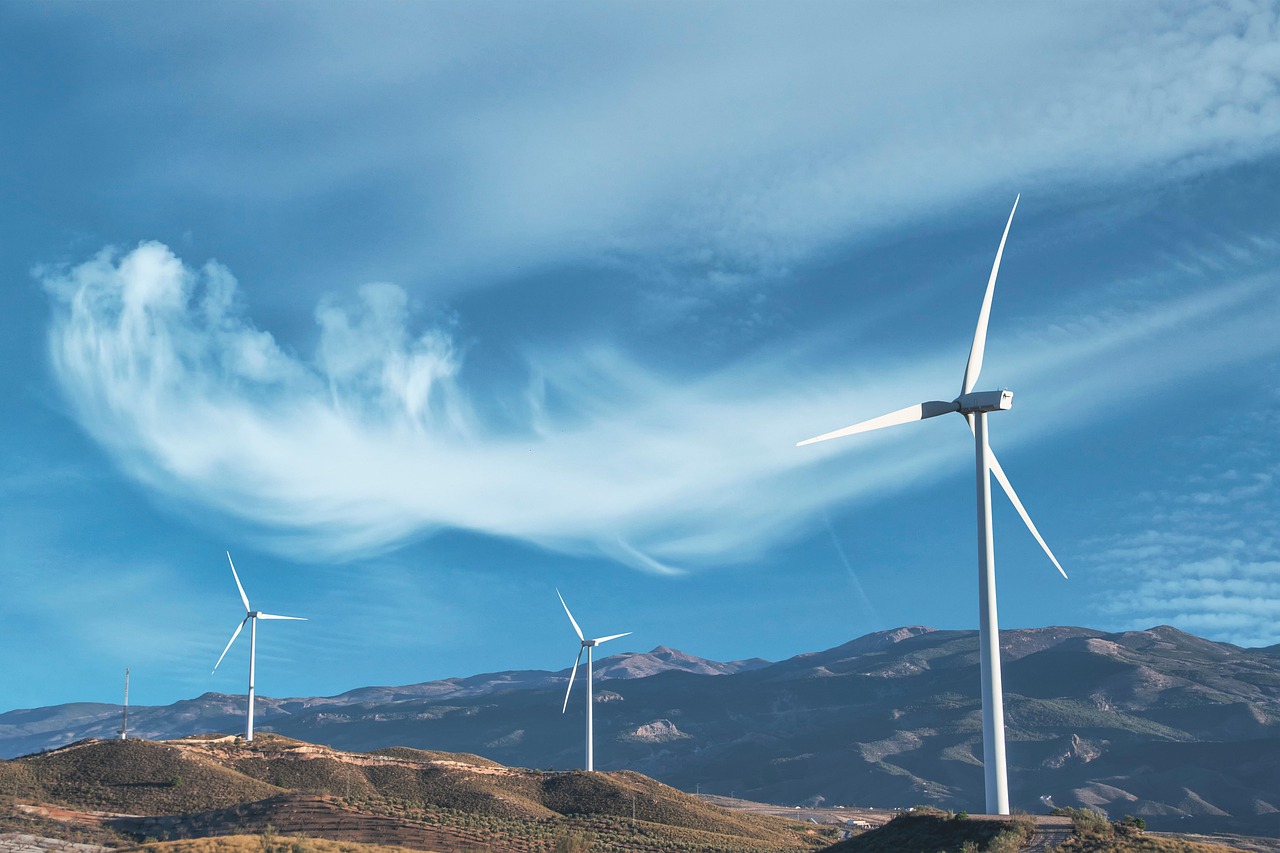
Real-time forecasting and decision making in renewable energy are crucial for the efficient management of power generation, transmission, and distribution. The integration of artificial intelligence and machine learning techniques has improved the accuracy of forecasts, enabling better decision making. In the context of renewable energy, forecasting refers to the prediction of energy output from various sources such as solar, wind, and hydro power. The goal of forecasting is to provide accurate estimates of energy production, which can be used to optimize power grid operations, reduce energy waste, and ensure a stable supply of electricity.
One of the key concepts in real-time forecasting is the use of time series data, which refers to a series of data points collected at regular intervals over time. Time series data can be used to identify patterns and trends in energy production, allowing for more accurate forecasts. For example, a solar power plant may collect data on energy output every hour, which can be used to forecast energy production for the next day. The use of machine learning algorithms such as ARIMA, LSTM, and Prophet can help analyze time series data and make accurate predictions.
Another important concept in real-time forecasting is the use of weather data, which can have a significant impact on energy production. Weather data such as temperature, humidity, wind speed, and solar radiation can be used to forecast energy output from solar and wind power plants. For instance, a wind power plant may use weather data to forecast wind speed and direction, which can be used to optimize turbine performance and energy production. The use of satellite imagery and weather stations can provide accurate and up-to-date weather data, which can be integrated into forecasting models.
In addition to time series and weather data, spatial data can also be used in real-time forecasting. Spatial data refers to data that is associated with a specific location, such as the location of solar panels or wind turbines. The use of spatial data can help identify areas with high energy production potential, allowing for more efficient placement of renewable energy sources. For example, a solar power plant may use spatial data to identify areas with high solar radiation, which can be used to optimize the placement of solar panels.
The use of internet of things (IoT) devices is also becoming increasingly important in real-time forecasting. IoT devices such as sensors and smart meters can provide real-time data on energy production and consumption, allowing for more accurate forecasts and better decision making. For instance, a smart meter may provide real-time data on energy consumption, which can be used to forecast energy demand and optimize energy production.
Real-time forecasting and decision making in renewable energy also involve the use of optimization techniques, which can help optimize energy production and reduce costs. Optimization techniques such as linear programming and dynamic programming can be used to optimize energy production, taking into account factors such as energy demand, weather conditions, and equipment performance. For example, a wind power plant may use optimization techniques to optimize turbine performance, taking into account factors such as wind speed and direction.
The integration of artificial intelligence and machine learning techniques has also improved the accuracy of forecasts, enabling better decision making. Machine learning algorithms such as deep learning and neural networks can be used to analyze complex data sets and make accurate predictions. For instance, a solar power plant may use machine learning algorithms to forecast energy output, taking into account factors such as weather conditions, temperature, and humidity.
One of the challenges in real-time forecasting and decision making in renewable energy is the intermittent nature of renewable energy sources. Renewable energy sources such as solar and wind power are intermittent, meaning that energy production can vary significantly over time. This can make it difficult to forecast energy output and optimize energy production. However, the use of advanced forecasting techniques and optimization algorithms can help mitigate this challenge.
Another challenge in real-time forecasting and decision making in renewable energy is the complexity of energy systems. Energy systems involve multiple components, including generation, transmission, and distribution, which can make it difficult to optimize energy production and reduce costs. However, the use of advanced modeling and simulation techniques can help simplify complex energy systems and optimize energy production.
The use of big data analytics is also becoming increasingly important in real-time forecasting and decision making in renewable energy. Big data analytics refers to the use of advanced analytics techniques to analyze large data sets and gain insights into energy production and consumption. For instance, a wind power plant may use big data analytics to analyze data on wind speed, direction, and turbine performance, which can be used to optimize turbine performance and energy production.
In addition to big data analytics, the use of cloud computing is also becoming increasingly important in real-time forecasting and decision making in renewable energy. Cloud computing refers to the use of remote servers and data storage, which can provide scalable and on-demand computing resources. For example, a solar power plant may use cloud computing to analyze large data sets and forecast energy output, which can be used to optimize energy production and reduce costs.
The integration of electric vehicles into the energy grid is also becoming increasingly important in real-time forecasting and decision making in renewable energy. Electric vehicles can be used to store excess energy generated from renewable energy sources, which can be used to optimize energy production and reduce costs. For instance, a wind power plant may use electric vehicles to store excess energy generated during periods of high wind speed, which can be used to optimize turbine performance and energy production.
The use of energy storage systems is also becoming increasingly important in real-time forecasting and decision making in renewable energy. Energy storage systems such as batteries and pumped hydro storage can be used to store excess energy generated from renewable energy sources, which can be used to optimize energy production and reduce costs. For example, a solar power plant may use energy storage systems to store excess energy generated during periods of high solar radiation, which can be used to optimize energy production and reduce costs.
In real-time forecasting and decision making in renewable energy, it is also important to consider the environmental impact of energy production. Renewable energy sources such as solar and wind power are generally considered to be environmentally friendly, as they produce little to no greenhouse gas emissions. However, the production of renewable energy can still have environmental impacts, such as the use of land and water resources. For instance, a wind power plant may have an environmental impact on local wildlife, which can be mitigated through the use of advanced forecasting techniques and optimization algorithms.
The use of sustainable energy sources is also becoming increasingly important in real-time forecasting and decision making in renewable energy. Sustainable energy sources such as solar, wind, and hydro power are generally considered to be environmentally friendly, as they produce little to no greenhouse gas emissions. For example, a solar power plant may use sustainable energy sources to optimize energy production and reduce costs, while also minimizing environmental impacts.
In addition to sustainable energy sources, the use of renewable energy certificates (RECs) is also becoming increasingly important in real-time forecasting and decision making in renewable energy. RECs are certificates that represent the environmental attributes of one megawatt-hour of renewable energy, which can be traded and sold on the open market. For instance, a wind power plant may use RECs to optimize energy production and reduce costs, while also promoting the use of renewable energy.
The integration of smart grid technologies is also becoming increasingly important in real-time forecasting and decision making in renewable energy. Smart grid technologies such as advanced metering infrastructure and grid management systems can be used to optimize energy production and reduce costs, while also promoting the use of renewable energy. For example, a solar power plant may use smart grid technologies to optimize energy production and reduce costs, while also minimizing environmental impacts.
In real-time forecasting and decision making in renewable energy, it is also important to consider the economic benefits of energy production. Renewable energy sources such as solar and wind power can provide economic benefits, such as job creation and economic growth, which can be used to optimize energy production and reduce costs. For instance, a wind power plant may provide economic benefits to local communities, which can be used to promote the use of renewable energy.
The use of financial modeling and analysis is also becoming increasingly important in real-time forecasting and decision making in renewable energy. Financial modeling and analysis can be used to optimize energy production and reduce costs, while also promoting the use of renewable energy. For example, a solar power plant may use financial modeling and analysis to optimize energy production and reduce costs, while also minimizing environmental impacts.
In addition to financial modeling and analysis, the use of risk analysis and management is also becoming increasingly important in real-time forecasting and decision making in renewable energy. Risk analysis and management can be used to identify and mitigate risks associated with energy production, such as weather-related risks and equipment failures. For instance, a wind power plant may use risk analysis and management to identify and mitigate risks associated with turbine performance, which can be used to optimize energy production and reduce costs.
The integration of stakeholder engagement and participation is also becoming increasingly important in real-time forecasting and decision making in renewable energy. Stakeholder engagement and participation can be used to promote the use of renewable energy, while also minimizing environmental impacts and optimizing energy production. For example, a solar power plant may use stakeholder engagement and participation to promote the use of renewable energy, while also optimizing energy production and reducing costs.
In real-time forecasting and decision making in renewable energy, it is also important to consider the policy and regulatory framework. The policy and regulatory framework can have a significant impact on the development and deployment of renewable energy, which can be used to optimize energy production and reduce costs. For instance, a wind power plant may be subject to policies and regulations that promote the use of renewable energy, which can be used to optimize energy production and reduce costs.
The use of international cooperation and collaboration is also becoming increasingly important in real-time forecasting and decision making in renewable energy. International cooperation and collaboration can be used to promote the use of renewable energy, while also minimizing environmental impacts and optimizing energy production. For example, a solar power plant may use international cooperation and collaboration to promote the use of renewable energy, while also optimizing energy production and reducing costs.
In addition to international cooperation and collaboration, the use of national and local initiatives is also becoming increasingly important in real-time forecasting and decision making in renewable energy. National and local initiatives can be used to promote the use of renewable energy, while also minimizing environmental impacts and optimizing energy production. For instance, a wind power plant may use national and local initiatives to promote the use of renewable energy, while also optimizing energy production and reducing costs.
The integration of research and development is also becoming increasingly important in real-time forecasting and decision making in renewable energy. Research and development can be used to improve the efficiency and effectiveness of renewable energy technologies, which can be used to optimize energy production and reduce costs. For example, a solar power plant may use research and development to improve the efficiency of solar panels, which can be used to optimize energy production and reduce costs.
In real-time forecasting and decision making in renewable energy, it is also important to consider the social impacts of energy production. The social impacts of energy production can include job creation, economic growth, and community development, which can be used to optimize energy production and reduce costs. For instance, a wind power plant may have social impacts on local communities, which can be used to promote the use of renewable energy.
The use of communication and outreach is also becoming increasingly important in real-time forecasting and decision making in renewable energy. Communication and outreach can be used to promote the use of renewable energy, while also minimizing environmental impacts and optimizing energy production. For example, a solar power plant may use communication and outreach to promote the use of renewable energy, while also optimizing energy production and reducing costs.
In addition to communication and outreach, the use of education and training is also becoming increasingly important in real-time forecasting and decision making in renewable energy. Education and training can be used to improve the skills and knowledge of professionals working in the renewable energy sector, which can be used to optimize energy production and reduce costs. For instance, a wind power plant may use education and training to improve the skills and knowledge of technicians and engineers, which can be used to optimize turbine performance and energy production.
The integration of capacity building and development is also becoming increasingly important in real-time forecasting and decision making in renewable energy. Capacity building and development can be used to improve the capacity and capabilities of professionals working in the renewable energy sector, which can be used to optimize energy production and reduce costs. For example, a solar power plant may use capacity building and development to improve the capacity and capabilities of professionals working in the solar energy sector, which can be used to optimize energy production and reduce costs.
In real-time forecasting and decision making in renewable energy, it is also important to consider the infrastructure requirements of energy production. The infrastructure requirements of energy production can include the development of transmission and distribution systems, which can be used to optimize energy production and reduce costs. For instance, a wind power plant may require the development of transmission and distribution systems to optimize energy production and reduce costs.
The use of technology and innovation is also becoming increasingly important in real-time forecasting and decision making in renewable energy. Technology and innovation can be used to improve the efficiency and effectiveness of renewable energy technologies, which can be used to optimize energy production and reduce costs. For example, a solar power plant may use technology and innovation to improve the efficiency of solar panels, which can be used to optimize energy production and reduce costs.
In addition to technology and innovation, the use of partnership and collaboration is also becoming increasingly important in real-time forecasting and decision making in renewable energy. Partnership and collaboration can be used to promote the use of renewable energy, while also minimizing environmental impacts and optimizing energy production. For instance, a wind power plant may use partnership and collaboration to promote the use of renewable energy, while also optimizing energy production and reducing costs.
The integration of monitoring and evaluation is also becoming increasingly important in real-time forecasting and decision making in renewable energy. Monitoring and evaluation can be used to track the performance of renewable energy systems, which can be used to optimize energy production and reduce costs. For example, a solar power plant may use monitoring and evaluation to track the performance of solar panels, which can be used to optimize energy production and reduce costs.
In real-time forecasting and decision making in renewable energy, it is also important to consider the security and reliability of energy production. The security and reliability of energy production can include the use of advanced technologies and systems to prevent cyber attacks and ensure the continuous operation of energy systems. For instance, a wind power plant may use advanced technologies and systems to prevent cyber attacks and ensure the continuous operation of wind turbines.
The use of data analytics and visualization is also becoming increasingly important in real-time forecasting and decision making in renewable energy. Data analytics and visualization can be used to track the performance of renewable energy systems, which can be used to optimize energy production and reduce costs. For example, a solar power plant may use data analytics and visualization to track the performance of solar panels, which can be used to optimize energy production and reduce costs.
In addition to data analytics and visualization, the use of geographic information systems (GIS) is also becoming increasingly important in real-time forecasting and decision making in renewable energy. GIS can be used to track the location and performance of renewable energy systems, which can be used to optimize energy production and reduce costs. For instance, a wind power plant may use GIS to track the location and performance of wind turbines, which can be used to optimize energy production and reduce costs.
The integration of remote sensing and monitoring is also becoming increasingly important in real-time forecasting and decision making in renewable energy. Remote sensing and monitoring can be used to track the performance of renewable energy systems, which can be used to optimize energy production and reduce costs. For example, a solar power plant may use remote sensing and monitoring to track the performance of solar panels, which can be used to optimize energy production and reduce costs.
In real-time forecasting and decision making in renewable energy, it is also important to consider the scalability of energy production. The scalability of energy production can include the use of advanced technologies and systems to increase the capacity of energy production, which can be used to optimize energy production and reduce costs. For instance, a wind power plant may use advanced technologies and systems to increase the capacity of wind turbines, which can be used to optimize energy production and reduce costs.
The use of flexibility and adaptability is also becoming increasingly important in real-time forecasting and decision making in renewable energy. Flexibility and adaptability can be used to optimize energy production and reduce costs, by adjusting to changes in energy demand and supply. For example, a solar power plant may use flexibility and adaptability to adjust to changes in energy demand and supply, which can be used to optimize energy production and reduce costs.
In addition to flexibility and adaptability, the use of resilience and robustness is also becoming increasingly important in real-time forecasting and decision making in renewable energy. Resilience and robustness can be used to optimize energy production and reduce costs, by withstanding changes in energy demand and supply. For instance, a wind power plant may use resilience and robustness to withstand changes in energy demand and supply, which can be used to optimize energy production and reduce costs.
The integration of sustainability and environmental considerations is also becoming increasingly important in real-time forecasting and decision making in renewable energy. Sustainability and environmental considerations can be used to optimize energy production and reduce costs, while also minimizing environmental impacts. For example, a solar power plant may use sustainability and environmental considerations to optimize energy production and reduce costs, while also minimizing environmental impacts.
In real-time forecasting and decision making in renewable energy, it is also important to consider the governance and regulatory framework. The governance and regulatory framework can have a significant impact on the development and deployment of renewable energy, which can be used to optimize energy production and reduce costs. For instance, a wind power plant may be subject to governance and regulatory frameworks that promote the use of renewable energy, which can be used to optimize energy production and reduce costs.
The use of transparency and accountability is also becoming increasingly important in real-time forecasting and decision making in renewable energy. Transparency and accountability can be used to promote the use of renewable energy, while also minimizing environmental impacts and optimizing energy production. For example, a solar power plant may use transparency and accountability to promote the use of renewable energy, while also optimizing energy production and reducing costs.
In addition to transparency and accountability, the use of independence and objectivity is also becoming increasingly important in real-time forecasting and decision making in renewable energy. Independence and objectivity can be used to optimize energy production and reduce costs, by providing unbiased and independent assessments of energy production and consumption. For instance, a wind power plant may use independence and objectivity to optimize energy production and reduce costs, by providing unbiased and independent assessments of wind turbine performance.
The integration of credibility and trust is also becoming increasingly important in real-time forecasting and decision making in renewable energy. Credibility and trust can be used to promote the use of renewable energy, while also minimizing environmental impacts and optimizing energy production. For example, a solar power plant may use credibility and trust to promote the use of renewable energy, while also optimizing energy production and reducing costs.
In real-time forecasting and decision making in renewable energy, it is also important to consider the reputation and credibility of energy producers. The reputation and credibility of energy producers can have a significant impact on the development and deployment of renewable energy, which can be used to optimize energy production and reduce costs. For instance, a wind power plant may have a reputation for producing high-quality and reliable energy, which can be used to promote the use of renewable energy and optimize energy production.
The use of branding and marketing is also becoming increasingly important in real-time forecasting and decision making in renewable energy. Branding and marketing can be used to promote the use of renewable energy, while also minimizing environmental impacts and optimizing energy production. For example, a solar power plant may use branding and marketing to promote the use of renewable energy, while also optimizing energy production and reducing costs.
In addition to branding and marketing, the use of public outreach and education is also becoming increasingly important in real-time forecasting and decision making in renewable energy. Public outreach and education can be used to promote the use of renewable energy, while also minimizing environmental impacts and optimizing energy production. For instance, a wind power plant may use public outreach and education to promote the use of renewable energy, while also optimizing energy production and reducing costs.
The integration of stakeholder engagement and participation is also becoming increasingly important in real-time forecasting and decision making in renewable energy. Stakeholder engagement and participation can be used to promote the use of renewable energy, while also minimizing environmental impacts and optimizing energy production. For example, a solar power plant may use stakeholder engagement and participation to promote the use of renewable energy, while also optimizing energy production and reducing costs.
In real-time forecasting and decision making in renewable energy, it is also important to consider the uncertainty and risk associated with energy production. The uncertainty and risk associated with energy production can include the use of advanced technologies and systems to mitigate risks and optimize energy production. For instance, a wind power plant may use advanced technologies and systems to mitigate risks associated with wind turbine performance, which can be used to optimize energy production and reduce costs.
The use of scenario planning and analysis is also becoming increasingly important in real-time forecasting and decision making in renewable energy. Scenario planning and analysis can be used to optimize energy production and reduce costs, by analyzing different scenarios and identifying the most effective strategies for energy production. For example, a solar power plant may use scenario planning and analysis to optimize energy production and reduce costs, by analyzing different scenarios and identifying the most effective strategies for solar panel performance.
In addition to scenario planning and analysis, the use of simulation and modeling is also becoming increasingly important in real-time forecasting and decision making in renewable energy. Simulation and modeling can be used to optimize energy production and reduce costs, by simulating different scenarios and identifying the most effective strategies for energy production. For instance, a wind power plant may use simulation and modeling to optimize energy production and reduce costs, by simulating different scenarios and identifying the most effective strategies for wind turbine performance.
The integration of optimization and decision support systems is also becoming increasingly important in real-time forecasting and decision making in renewable energy. Optimization and decision support systems can be used to optimize energy production and reduce costs, by providing advanced analytics and decision support tools. For example, a solar power plant may use optimization and decision support systems to optimize energy production and reduce costs, by providing advanced analytics and decision support tools for solar panel performance.
In real-time forecasting and decision making in renewable energy, it is also important to consider the integration of different energy sources and systems. The integration of different energy sources and systems can include the use of advanced technologies and systems to optimize energy production and reduce costs. For instance, a wind power plant may use integration to optimize energy production and reduce costs, by integrating wind energy with other energy sources such as solar and hydro power.
The use of coordination and cooperation is also becoming increasingly important in real-time forecasting and decision making in renewable energy. Coordination and cooperation can be used to optimize energy production and reduce costs, by coordinating and cooperating with different stakeholders and energy producers. For example, a solar power plant may use coordination and cooperation to optimize energy production and reduce costs, by coordinating and cooperating with other energy producers and stakeholders.
In addition to coordination and cooperation, the use of flexibility and adaptability is also becoming increasingly important in real-time forecasting and decision making in renewable energy. Flexibility and adaptability can be used to optimize energy production and reduce costs, by adjusting to changes in energy demand and supply. For instance, a wind power plant may use flexibility and adaptability to optimize energy production and reduce costs, by adjusting to changes in wind speed and direction.
The integration of resilience and robustness is also becoming increasingly important in real-time forecasting and decision making in renewable energy. Resilience and robustness can be used to optimize energy production and reduce costs, by withstanding changes in energy demand and supply. For example, a solar power plant may use resilience and robustness to optimize energy production and reduce costs, by withstanding changes in solar radiation and temperature.
In real-time forecasting and decision making in renewable energy, it is also important to consider the sustainability and environmental considerations of energy production. The sustainability and environmental considerations of energy production can include the use of advanced technologies and systems to minimize environmental impacts and optimize energy production. For instance, a wind power plant may use sustainability and environmental considerations to optimize energy production and reduce costs, by minimizing environmental impacts and optimizing wind turbine performance.
The use of transparency and accountability is also becoming increasingly important in real-time forecasting and decision making in renewable energy. Transparency and accountability can be used to promote the use of renewable energy, while also minimizing environmental impacts and optimizing energy production. For example, a solar power plant may use transparency and accountability to promote the use of renewable energy, while also optimizing energy production and reducing costs.
In addition to transparency and accountability, the use of independence and objectivity is also becoming increasingly important in real-time forecasting and decision making in renewable energy. Independence and objectivity can be used to optimize energy production and reduce costs, by providing unbiased and independent assessments of energy production and consumption. For instance, a wind power plant may use independence and objectivity to optimize energy production and reduce costs, by providing unbiased and independent assessments of wind turbine performance.
The integration of credibility and trust is also becoming increasingly important in real-time forecasting and decision making in renewable energy. Credibility and trust can be used to promote the use of renewable energy, while also minimizing environmental impacts and optimizing energy production. For example, a solar power plant may use credibility and trust to promote the use of renewable energy, while also optimizing energy production and reducing costs.
In real-time forecasting and decision making in renewable energy, it is also important to consider the reputation and credibility of energy producers. The reputation and credibility of energy producers can have a significant impact on the development and deployment of renewable energy, which can be used to optimize energy production and reduce costs. For instance, a wind power plant may have a reputation for producing high-quality and reliable energy, which can be used to promote the use of renewable energy and optimize energy production.
The use of branding and marketing is also becoming increasingly important in real-time forecasting and decision making in renewable energy. Branding and marketing can be used to promote the use of renewable energy, while also minimizing environmental impacts and optimizing energy production. For example, a solar power plant may use branding and marketing to promote the use of renewable energy, while also optimizing energy production and reducing costs.
In addition to branding and marketing, the use of public outreach and education is also becoming increasingly important in real-time forecasting and decision making in renewable energy. Public outreach and education can be used to promote the use of renewable energy, while also minimizing environmental impacts and optimizing energy production. For instance, a wind power plant may use public outreach and education to promote the use of renewable energy, while also optimizing energy production and reducing costs.
The integration of stakeholder engagement and participation is also becoming increasingly important in real-time forecasting and decision making in renewable energy. Stakeholder engagement and participation can be used to promote the use of renewable energy, while also minimizing environmental impacts and optimizing energy production. For example, a solar power plant may use stakeholder engagement and participation to promote the use of renewable energy, while also optimizing energy production and reducing costs.
In real-time forecasting and decision making in renewable energy, it is also important to consider the uncertainty and risk associated with energy production. The uncertainty and risk associated with energy production can include the use of advanced technologies and systems to mitigate risks and optimize energy production. For instance, a wind power plant may use advanced technologies and systems to mitigate risks associated with wind turbine performance, which can be used to optimize energy production and reduce costs.
The use of scenario planning and analysis is also becoming increasingly important in real-time forecasting and decision making in renewable energy. Scenario planning and analysis can be used to optimize energy production and reduce costs, by analyzing different scenarios and identifying the most effective strategies for energy production. For example, a solar power plant may use scenario planning and analysis to optimize energy production and reduce costs, by analyzing different scenarios and identifying the most effective strategies for solar panel performance.
In addition to scenario planning and analysis, the use of simulation and modeling is also becoming increasingly important in real-time forecasting and decision making in renewable energy. Simulation and modeling can be used to optimize energy production and reduce costs, by simulating different scenarios and identifying the most effective strategies for energy production. For instance, a wind power plant may use simulation and modeling to optimize energy production and reduce costs, by simulating different scenarios and identifying the most effective strategies for wind turbine performance.
The integration of optimization and decision support systems is also becoming increasingly important in real-time forecasting and decision making in renewable energy. Optimization and decision support systems can be used to optimize energy production and reduce costs, by providing advanced analytics and decision support tools. For example, a solar power plant may use optimization and decision support systems to optimize energy production and reduce costs, by providing advanced analytics and decision support tools for solar panel performance.
In real-time forecasting and decision making in renewable energy, it is also important to consider the integration of different energy sources and systems. The integration of different energy sources and systems can include the use of advanced technologies and systems to optimize energy production and reduce costs. For instance, a wind power plant may use integration to optimize energy production and reduce costs, by integrating wind energy with other energy sources such as solar and hydro power.
The use of coordination and cooperation is also becoming increasingly important in real-time forecasting and decision making in renewable energy. Coordination and cooperation can be used to optimize energy production and reduce costs, by coordinating and cooperating with different stakeholders and energy producers. For example, a solar power plant may use coordination and cooperation to optimize energy production and reduce costs, by coordinating and cooperating with other energy producers and stakeholders.
In addition to coordination and cooperation, the use of flexibility and adaptability is also becoming increasingly important in real-time forecasting and decision making in renewable energy. Flexibility and adaptability can be used to optimize energy production and reduce costs, by adjusting to changes in energy demand and supply. For instance, a wind power plant may use flexibility and adaptability to optimize energy production and reduce costs, by adjusting to changes in wind speed and direction.
The integration of resilience and robustness is also becoming increasingly important in real-time forecasting and decision making in renewable energy. Resilience and robustness can be used to optimize energy production and reduce costs, by withstanding changes in energy demand and supply. For example, a solar power plant may use resilience and robustness to optimize energy production and reduce costs, by withstanding changes in solar radiation and temperature.
In real-time forecasting and decision making in renewable energy, it is also important to consider the sustainability and environmental considerations of energy production. The sustainability and environmental considerations of energy production can include the use of advanced technologies and systems to minimize environmental impacts and optimize energy production. For instance, a wind power plant may use sustainability and environmental considerations to optimize energy production and reduce costs, by minimizing environmental impacts and optimizing wind turbine performance.
The use of transparency and accountability is also becoming increasingly important in real-time forecasting and decision making in renewable energy. Transparency and accountability can be used to promote the use of renewable energy, while also minimizing environmental impacts and optimizing energy production. For example, a solar power plant may use transparency and accountability to promote the use of renewable energy, while also optimizing energy production and reducing costs.
In addition to transparency and accountability, the use of independence and objectivity is also becoming increasingly important in real-time forecasting and decision making in renewable energy. Independence and objectivity can be used to optimize energy production and reduce costs, by providing unbiased and independent assessments of energy production and consumption. For instance, a wind power plant may use independence and objectivity to optimize energy production and reduce costs, by providing unbiased and independent assessments of wind turbine performance.
The integration of credibility and trust is also becoming increasingly important in real-time forecasting and decision making in renewable energy. Credibility and trust can be used to promote the use of renewable energy, while also minimizing environmental impacts and optimizing energy production. For example, a solar power plant may use credibility and trust to promote the use of renewable energy, while also optimizing energy production and reducing costs.
In real-time forecasting and decision making in renewable energy, it is also important to consider the reputation and credibility of energy producers. The reputation and credibility of energy producers can have a significant impact on the development and deployment of renewable energy, which can be used to optimize energy production and reduce costs. For instance, a wind power plant may have a reputation for producing high-quality and reliable energy, which can be used to promote the use of renewable energy and optimize energy production.
The use of branding and marketing is also becoming increasingly important in real-time forecasting and decision making in renewable energy. Branding and marketing can be used to promote the use of renewable energy, while also minimizing environmental impacts and optimizing energy production. For example, a solar power plant may use branding and marketing to promote the use of renewable energy, while also optimizing energy production and reducing costs.
In addition to branding and marketing, the use of public outreach and education is also becoming increasingly important in real-time forecasting and decision making in renewable energy. Public outreach and education can be used to promote the use of renewable energy, while also minimizing environmental impacts and optimizing energy production. For instance, a wind power plant may use public outreach and education to promote the use of renewable energy, while also optimizing energy production and reducing costs.
The integration of stakeholder engagement and participation is also becoming increasingly important in real-time forecasting and decision making in renewable energy. Stakeholder engagement and participation can be used to promote the use of renewable energy, while also minimizing environmental impacts and optimizing energy production. For example, a solar power plant may use stakeholder engagement and participation to promote the use of renewable energy, while also optimizing energy production and reducing costs.
In real-time forecasting and decision making in renewable energy, it is also important to consider the uncertainty and risk associated with energy production. The uncertainty and risk associated with energy production can include the use of advanced technologies and systems to mitigate risks and optimize energy production. For instance, a wind power plant may use advanced technologies and systems to mitigate risks associated with wind turbine performance, which can be used to optimize energy production and reduce costs.
The use of scenario planning and analysis is also becoming increasingly important in real-time forecasting and decision making in renewable energy. Scenario planning and analysis can be used to optimize energy production and reduce costs, by analyzing different scenarios and identifying the most effective strategies for energy production. For example, a solar power plant may use scenario planning and analysis to optimize energy production and reduce costs, by analyzing different scenarios and identifying the most effective strategies for solar panel performance.
In addition to scenario planning and analysis, the use of simulation and modeling is also becoming increasingly important in real-time forecasting and decision making in renewable energy. Simulation and modeling can be used to optimize energy production and reduce costs, by simulating different scenarios and identifying the most effective strategies for energy production. For instance, a wind power plant may use simulation and modeling to optimize energy production and reduce costs, by simulating different scenarios and identifying the most effective strategies for wind turbine performance.
The integration of optimization and decision support systems is also becoming increasingly important in real-time forecasting and decision making in renewable energy. Optimization and decision support systems can be used to optimize energy production and reduce costs, by providing advanced analytics and decision support tools. For example, a solar power plant may use optimization and decision support systems to optimize energy production and reduce costs, by providing advanced analytics and decision support tools for solar panel performance.
In real-time forecasting and decision making in renewable energy, it is also important to consider the integration of different energy sources and systems. The integration of different energy sources and systems can include the use of advanced technologies and systems to optimize energy production and reduce costs. For instance, a wind power plant may use integration to optimize energy production and reduce costs, by integrating wind energy with other energy sources such as solar and hydro power.
The use of coordination and cooperation is also becoming increasingly important in real-time forecasting and decision making in renewable energy. Coordination and cooperation can be used to optimize energy production and reduce costs, by coordinating and cooperating with different stakeholders and energy producers. For example, a solar power plant may use coordination and cooperation to optimize energy production and reduce costs, by coordinating and cooperating with other energy producers and stakeholders.
In addition to coordination and cooperation, the use of flexibility and adaptability is also becoming increasingly important in real-time forecasting and decision making in renewable energy. Flexibility and adaptability can be used to optimize energy production and reduce costs, by adjusting to changes in energy demand and supply. For instance, a wind power plant may use flexibility and adaptability to optimize energy production and reduce costs, by adjusting to changes in wind speed and direction.
The integration of resilience and robustness is also becoming increasingly important in real-time forecasting and decision making in renewable energy. Resilience and robustness can be used to optimize energy production and reduce costs, by withstanding changes in energy demand and supply. For example, a solar power plant may use resilience and robustness to optimize energy production and reduce costs, by withstanding changes in solar radiation and temperature.
In real-time forecasting and decision making in renewable energy, it is also important to consider the s
Key takeaways
- The goal of forecasting is to provide accurate estimates of energy production, which can be used to optimize power grid operations, reduce energy waste, and ensure a stable supply of electricity.
- One of the key concepts in real-time forecasting is the use of time series data, which refers to a series of data points collected at regular intervals over time.
- For instance, a wind power plant may use weather data to forecast wind speed and direction, which can be used to optimize turbine performance and energy production.
- For example, a solar power plant may use spatial data to identify areas with high solar radiation, which can be used to optimize the placement of solar panels.
- IoT devices such as sensors and smart meters can provide real-time data on energy production and consumption, allowing for more accurate forecasts and better decision making.
- Optimization techniques such as linear programming and dynamic programming can be used to optimize energy production, taking into account factors such as energy demand, weather conditions, and equipment performance.
- For instance, a solar power plant may use machine learning algorithms to forecast energy output, taking into account factors such as weather conditions, temperature, and humidity.