
Data Analytics for Renewable Energy Systems
Welcome to this episode of the Stanmore School of Business podcast, where we're exploring the exciting world of artificial intelligence in renewable energy grid integration. I'm your host, and today we're diving into the fascinating topic o…
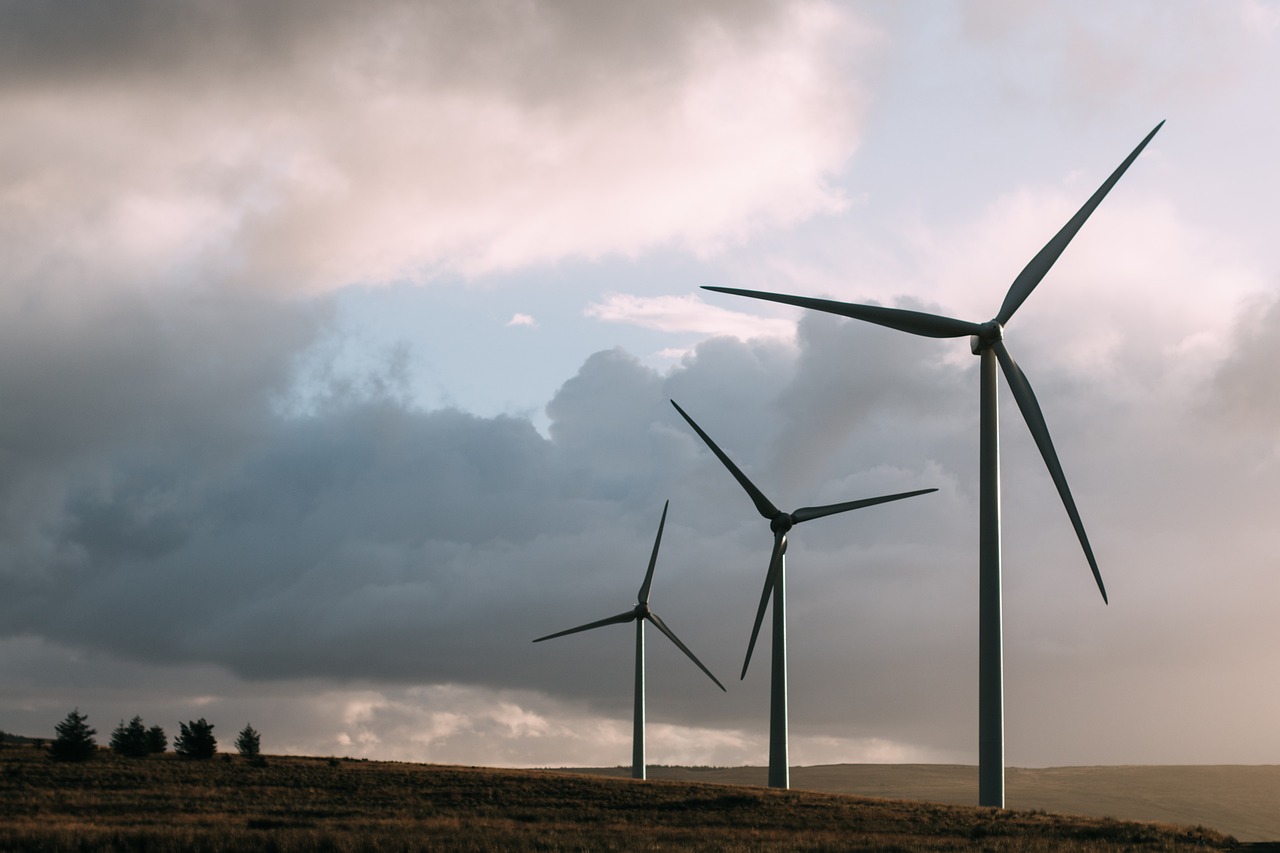
Photo from Pexels
Welcome to this episode of the Stanmore School of Business podcast, where we're exploring the exciting world of artificial intelligence in renewable energy grid integration. I'm your host, and today we're diving into the fascinating topic of Data Analytics for Renewable Energy Systems. This unit is a crucial part of our Certificate in AI in Renewable Energy Grid Integration, and I'm thrilled to share its importance and relevance with you.
As we journey through the history of renewable energy, it's amazing to see how far we've come. From the early days of windmills and solar panels to the sophisticated systems we have today, the industry has undergone a significant transformation. One of the key drivers of this transformation is the ability to collect, analyze, and act upon vast amounts of data. This is where Data Analytics for Renewable Energy Systems comes in – a field that has revolutionized the way we optimize energy production, predict energy demand, and ensure grid stability.
Imagine being able to predict with precision when and where energy demand will spike, allowing you to adjust your renewable energy output accordingly. Or, picture a system that can detect even the slightest anomalies in energy production, enabling you to take proactive measures to prevent equipment failures. This is the power of Data Analytics for Renewable Energy Systems, and it's an area that's rapidly evolving.
So, how can you apply these concepts in your own life or work? Let's start with a simple yet powerful strategy: leveraging data visualization tools to gain insights into your energy systems. By using tools like dashboards and graphs, you can quickly identify trends, patterns, and areas for improvement. For instance, you might discover that your solar panels are producing less energy than expected due to shading issues or equipment malfunctions. With this knowledge, you can take targeted actions to optimize your system and maximize energy production.
Another actionable tip is to use machine learning algorithms to forecast energy demand. By analyzing historical data and weather patterns, you can develop predictive models that help you anticipate energy demand and adjust your renewable energy output accordingly. This not only helps you optimize energy production but also ensures grid stability and reduces the risk of power outages.
Or, picture a system that can detect even the slightest anomalies in energy production, enabling you to take proactive measures to prevent equipment failures.
However, as with any powerful tool, there are common pitfalls to avoid. One of the biggest mistakes is relying too heavily on historical data, which may not account for changing weather patterns, seasonal fluctuations, or other external factors. To avoid this pitfall, it's essential to incorporate real-time data and use advanced analytics techniques like anomaly detection and predictive modeling.
As we conclude this episode, I want to leave you with an inspiring message: the future of renewable energy is bright, and it's driven by innovative technologies like Data Analytics for Renewable Energy Systems. By applying the concepts and strategies we've discussed today, you can contribute to a more sustainable, efficient, and resilient energy grid. So, I encourage you to continue your journey of growth and exploration, and to join us on this exciting journey.
If you've enjoyed this episode, please subscribe to our podcast and share it with your friends and colleagues. You can also engage with us on social media, where we share additional resources, tips, and behind-the-scenes insights into the world of AI in renewable energy grid integration. The Stanmore School of Business is committed to providing you with the knowledge, skills, and expertise you need to succeed in this rapidly evolving field, and we're honored to have you as part of our community. Thanks for tuning in, and we look forward to exploring more exciting topics with you in the future.
Key takeaways
- Welcome to this episode of the Stanmore School of Business podcast, where we're exploring the exciting world of artificial intelligence in renewable energy grid integration.
- This is where Data Analytics for Renewable Energy Systems comes in – a field that has revolutionized the way we optimize energy production, predict energy demand, and ensure grid stability.
- Or, picture a system that can detect even the slightest anomalies in energy production, enabling you to take proactive measures to prevent equipment failures.
- For instance, you might discover that your solar panels are producing less energy than expected due to shading issues or equipment malfunctions.
- By analyzing historical data and weather patterns, you can develop predictive models that help you anticipate energy demand and adjust your renewable energy output accordingly.
- One of the biggest mistakes is relying too heavily on historical data, which may not account for changing weather patterns, seasonal fluctuations, or other external factors.
- As we conclude this episode, I want to leave you with an inspiring message: the future of renewable energy is bright, and it's driven by innovative technologies like Data Analytics for Renewable Energy Systems.