
Furniture Design And Planning
Welcome to this episode of the Advanced Furniture Making podcast, brought to you by Stanmore School of Business. Today, we're going to dive into the fascinating world of Furniture Design And Planning, a unit that's at the heart of creating …
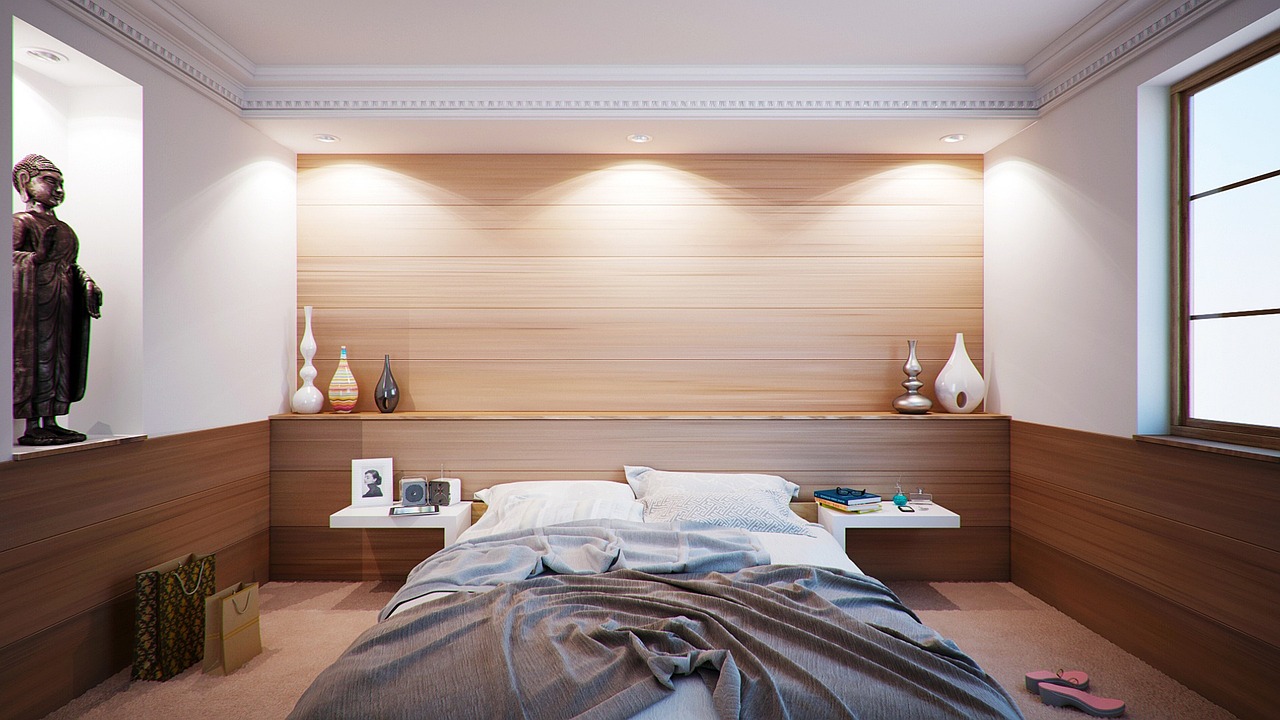
Photo from Pexels
Welcome to this episode of the Advanced Furniture Making podcast, brought to you by Stanmore School of Business. Today, we're going to dive into the fascinating world of Furniture Design And Planning, a unit that's at the heart of creating functional and beautiful pieces that can transform any space. As we explore this topic, you'll discover how the art of furniture design has evolved over time, from ancient civilizations to modern-day innovations.
Think back to the early days of furniture making, when craftsmen would spend hours, even days, perfecting a single piece. The attention to detail, the selection of materials, and the careful consideration of function and form all came together to create truly remarkable works of art. Fast forward to today, and we see that the principles of furniture design remain the same, but the tools, materials, and technologies at our disposal have changed dramatically.
As a student of Advanced Furniture Making at Stanmore School of Business, you're likely no stranger to the importance of careful planning and design in the furniture-making process. But whether you're a seasoned professional or just starting out, the principles of Furniture Design And Planning are essential to creating pieces that are not only visually stunning but also functional and durable. So, let's dive in and explore some of the key considerations when it comes to designing and planning your next furniture project.
First and foremost, it's essential to understand the needs and preferences of the people who will be using the furniture. This might involve conducting research, gathering feedback, or simply putting yourself in the shoes of the end-user. By doing so, you'll be able to create pieces that are tailored to their specific needs, whether it's a comfortable chair, a functional desk, or a stylish coffee table.
Another crucial aspect of Furniture Design And Planning is the selection of materials. With so many options available, from sustainable woods to innovative composites, the choices can be overwhelming. But by considering factors such as durability, maintenance, and aesthetic appeal, you can make informed decisions that will elevate your designs and set them apart from the rest.
Now, let's talk about some common pitfalls to avoid when it comes to Furniture Design And Planning. One of the most significant mistakes is failing to consider the context in which the furniture will be used. This might include factors such as lighting, spatial constraints, and the overall style and atmosphere of the room. By neglecting these factors, you risk creating pieces that are beautiful in isolation but awkward or impractical in their intended setting.
But by considering factors such as durability, maintenance, and aesthetic appeal, you can make informed decisions that will elevate your designs and set them apart from the rest.
So, what's the solution? The key is to take a holistic approach to furniture design, considering not just the piece itself but the entire ecosystem in which it will exist. This might involve creating detailed sketches, building prototypes, or even using virtual reality tools to visualize your designs in 3D. By doing so, you'll be able to identify potential problems and make adjustments before it's too late.
As you continue on your journey of growth and development as a furniture maker, remember that Furniture Design And Planning is a skill that takes time and practice to develop. Don't be discouraged if your early attempts don't turn out as expected – every mistake is an opportunity to learn and improve. And when you do create something truly special, don't be afraid to share it with the world and bask in the praise of your peers.
As we conclude this episode, I want to leave you with a challenge: take the principles of Furniture Design And Planning and apply them to your next project. Whether it's a simple chair or a complex cabinet, remember to consider the needs of the user, the selection of materials, and the context in which the piece will be used. And when you're done, share your creations with us on social media, using the hashtag #StanmoreSchoolOfBusiness.
If you've enjoyed this episode, be sure to subscribe to our podcast for more insights and inspiration from the world of Advanced Furniture Making. You can also share this episode with your friends and colleagues, or leave a review on your favorite podcast platform. At Stanmore School of Business, we're passionate about empowering the next generation of furniture makers, and we're excited to have you join us on this journey. Thanks for listening, and we'll see you in the next episode!
Key takeaways
- Today, we're going to dive into the fascinating world of Furniture Design And Planning, a unit that's at the heart of creating functional and beautiful pieces that can transform any space.
- Fast forward to today, and we see that the principles of furniture design remain the same, but the tools, materials, and technologies at our disposal have changed dramatically.
- But whether you're a seasoned professional or just starting out, the principles of Furniture Design And Planning are essential to creating pieces that are not only visually stunning but also functional and durable.
- By doing so, you'll be able to create pieces that are tailored to their specific needs, whether it's a comfortable chair, a functional desk, or a stylish coffee table.
- But by considering factors such as durability, maintenance, and aesthetic appeal, you can make informed decisions that will elevate your designs and set them apart from the rest.
- By neglecting these factors, you risk creating pieces that are beautiful in isolation but awkward or impractical in their intended setting.
- The key is to take a holistic approach to furniture design, considering not just the piece itself but the entire ecosystem in which it will exist.