
Regulatory Pathway Optimization
Welcome to this episode of Global Medical Device Investment Strategies, a podcast brought to you by Stanmore School of Business. I'm your host, and I'm excited to dive into one of the most critical aspects of bringing medical devices to mar…
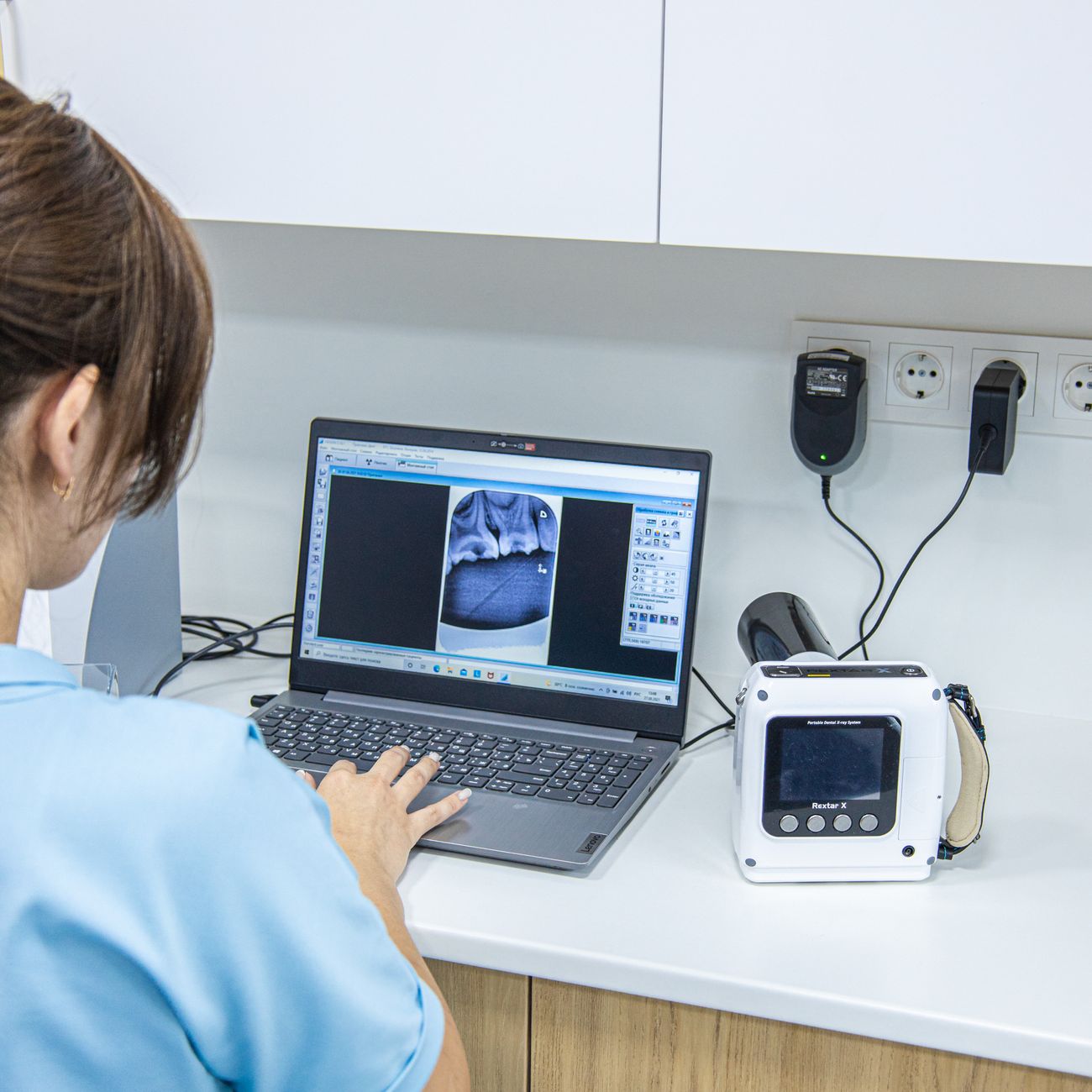
Photo from Pexels
Welcome to this episode of Global Medical Device Investment Strategies, a podcast brought to you by Stanmore School of Business. I'm your host, and I'm excited to dive into one of the most critical aspects of bringing medical devices to market: Regulatory Pathway Optimization. This topic is not just a necessity, but a strategic advantage for companies looking to succeed in the highly regulated medical device industry.
The journey of medical device regulation has been a long and winding road, with significant milestones marking the evolution of safety and efficacy standards. From the early days of largely unregulated markets to the current stringent requirements, regulatory bodies have played a crucial role in ensuring that medical devices are safe for patients. The importance of navigating these regulations effectively cannot be overstated, as it directly impacts the ability of a company to bring its product to market in a timely and cost-effective manner.
Regulatory Pathway Optimization is about more than just compliance; it's about strategy. It's about understanding the intricacies of the regulatory landscape and leveraging that knowledge to streamline your approval process, reduce costs, and gain a competitive edge. Imagine being able to predict and prepare for regulatory hurdles, to tailor your device development to meet the expectations of regulatory bodies from the outset, and to accelerate your time to market. This is what Regulatory Pathway Optimization promises: a proactive, rather than reactive, approach to regulation.
So, how do you optimize your regulatory pathway? It starts with a deep understanding of the regulatory requirements for your device, in your target markets. This involves not just knowing the rules, but understanding the philosophy behind them and how they are applied in practice. It's about building relationships with regulatory bodies, engaging in open and transparent communication, and being proactive in seeking guidance when needed. Companies that successfully navigate the regulatory landscape are those that see regulation not as an obstacle, but as an integral part of their business strategy.
However, there are common pitfalls to avoid. One of the most significant mistakes companies make is underestimating the complexity and time required for regulatory approval. This can lead to costly delays and, in some cases, even the abandonment of promising device developments. Another mistake is failing to consider regulatory requirements early in the device development process, leading to redesigns or additional testing down the line. By integrating regulatory considerations from the outset and maintaining a flexible approach to device development, companies can mitigate these risks.
Imagine being able to predict and prepare for regulatory hurdles, to tailor your device development to meet the expectations of regulatory bodies from the outset, and to accelerate your time to market.
Let's consider an example. A medical device company looking to launch a new implantable device in the European market might initially focus on meeting the requirements for a CE mark. However, by also considering the evolving landscape of Medical Device Regulations and the need for future-proofing their device, they could adapt their development strategy to not only meet current standards but also anticipate and comply with upcoming changes. This forward-thinking approach can save time, reduce costs, and position the company for long-term success.
As we conclude this episode on Regulatory Pathway Optimization, I want to leave you with a challenge. Whether you're a seasoned professional or just starting out in the medical device industry, the ability to navigate and optimize the regulatory pathway is a critical skill. It's not just about compliance; it's about innovation, efficiency, and patient access to life-changing technologies. Remember, the regulatory pathway is not a barrier to entry, but a gateway to global markets and the chance to make a real difference in people's lives.
If you found this episode insightful and valuable, we invite you to subscribe to our podcast, where we explore a wide range of topics related to Global Medical Device Investment Strategies. Join the conversation by sharing your thoughts and experiences on our social media channels. At Stanmore School of Business, we're committed to providing you with the knowledge, tools, and community you need to succeed in this exciting and rapidly evolving field. Thanks for tuning in, and we look forward to your engagement.
Key takeaways
- I'm your host, and I'm excited to dive into one of the most critical aspects of bringing medical devices to market: Regulatory Pathway Optimization.
- The importance of navigating these regulations effectively cannot be overstated, as it directly impacts the ability of a company to bring its product to market in a timely and cost-effective manner.
- Imagine being able to predict and prepare for regulatory hurdles, to tailor your device development to meet the expectations of regulatory bodies from the outset, and to accelerate your time to market.
- Companies that successfully navigate the regulatory landscape are those that see regulation not as an obstacle, but as an integral part of their business strategy.
- Another mistake is failing to consider regulatory requirements early in the device development process, leading to redesigns or additional testing down the line.
- A medical device company looking to launch a new implantable device in the European market might initially focus on meeting the requirements for a CE mark.
- Whether you're a seasoned professional or just starting out in the medical device industry, the ability to navigate and optimize the regulatory pathway is a critical skill.