
Natural Language Processing in Renewable Energy
Natural Language Processing in Renewable Energy is an exciting field that combines the power of artificial intelligence with the importance of sustainable energy sources. At its core, Natural Language Processing, or NLP, is a subfield of ar…
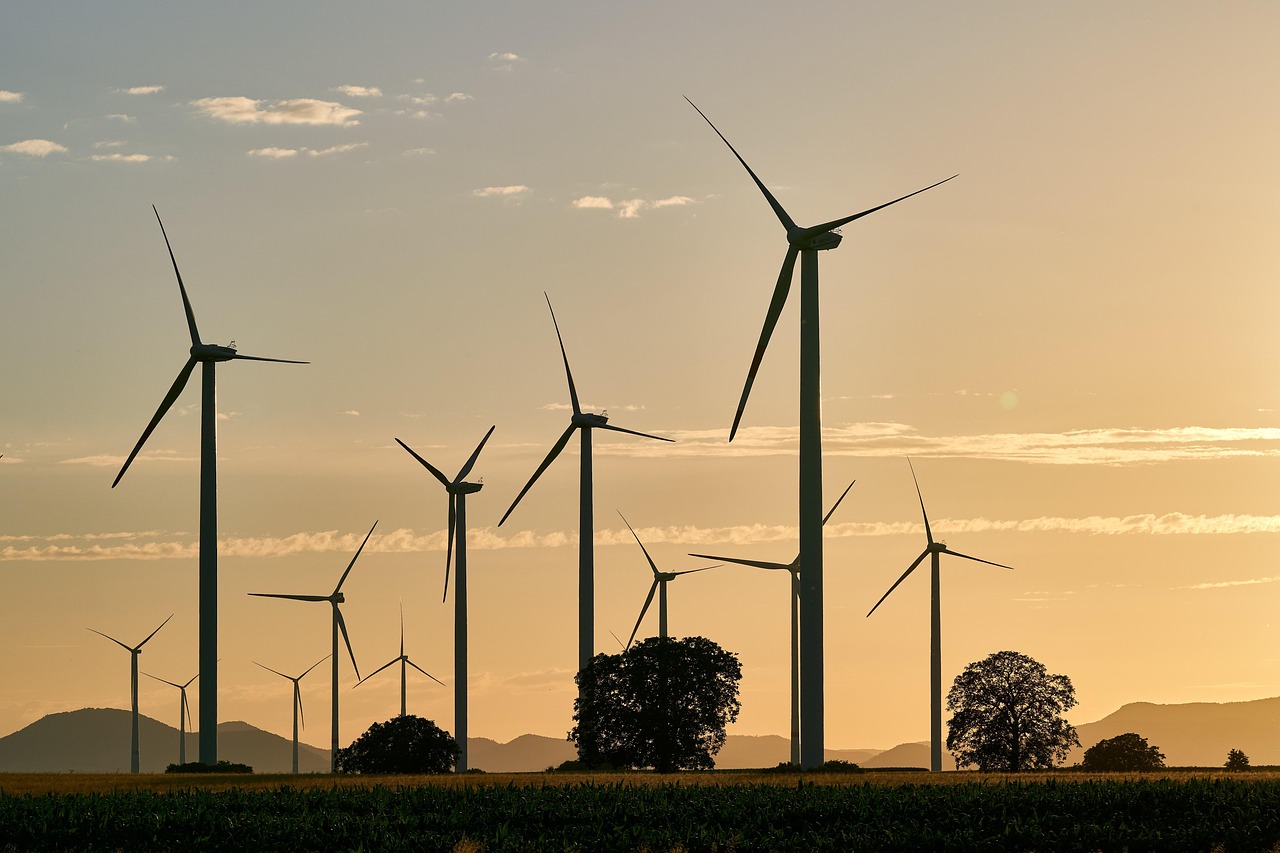
Natural Language Processing in Renewable Energy is an exciting field that combines the power of artificial intelligence with the importance of sustainable energy sources. At its core, Natural Language Processing, or NLP, is a subfield of artificial intelligence that deals with the interaction between computers and humans in natural language. It is used to analyze, understand, and generate human language data, such as text or speech. In the context of renewable energy, NLP can be used to analyze and understand large amounts of data related to energy production, consumption, and sustainability.
One of the key terms in NLP is tokenization, which refers to the process of breaking down text into individual words or tokens. This is an important step in text analysis, as it allows for the identification of specific words or phrases that are relevant to the topic at hand. For example, in the context of renewable energy, tokenization can be used to identify keywords such as "solar" or "wind" in a large corpus of text.
Another important concept in NLP is part-of-speech tagging, which refers to the process of identifying the grammatical category of each word in a sentence. This can be useful in understanding the context and meaning of a sentence, and can be used to identify specific patterns or trends in language use. For instance, in a sentence such as "The solar panel is generating electricity", the words "solar" and "panel" can be identified as nouns, while the word "generating" can be identified as a verb.
In addition to these basic concepts, NLP also involves more advanced techniques such as named entity recognition, which refers to the process of identifying specific entities such as names, locations, and organizations in text. This can be useful in extracting specific information from large amounts of text data, and can be used to identify key players or stakeholders in the renewable energy industry. For example, in a sentence such as "The Saudi Arabian government has announced plans to invest in renewable energy", the phrase "Saudi Arabian government" can be identified as a named entity, while the phrase "renewable energy" can be identified as a key concept.
NLP can also be used to analyze and understand sentiment in text data, which refers to the emotional tone or attitude expressed in a piece of writing. This can be useful in understanding public opinion or attitudes towards renewable energy, and can be used to identify areas where education or outreach efforts may be needed. For instance, in a sentence such as "I love the new solar panels on my house", the word "love" can be identified as a positive sentiment, while in a sentence such as "I'm so frustrated with the high cost of renewable energy", the word "frustrated" can be identified as a negative sentiment.
Furthermore, NLP can be used to generate text based on a given prompt or topic. This is known as text generation, and can be used to create content such as articles, reports, or social media posts related to renewable energy. For example, a text generation model could be trained on a corpus of text related to solar energy, and then used to generate new text based on a prompt such as "Write a paragraph about the benefits of solar energy".
One of the key applications of NLP in renewable energy is in the analysis of text data from social media, news articles, and other online sources. This can provide valuable insights into public opinion and attitudes towards renewable energy, and can be used to identify trends and patterns in the industry. For instance, an analysis of tweets about renewable energy could reveal that the majority of people are in favor of investing in solar and wind power, while a analysis of news articles could reveal that there is a growing trend towards the adoption of electric vehicles.
Another important application of NLP in renewable energy is in the analysis of technical reports and other documents related to energy production and consumption. This can provide valuable insights into the technical and operational aspects of renewable energy systems, and can be used to identify areas where improvements can be made. For example, an analysis of technical reports on wind turbine performance could reveal that there is a need for more efficient blade designs, while an analysis of reports on solar panel installation could reveal that there is a need for more streamlined installation processes.
In addition to these applications, NLP can also be used to analyze and understand policy documents and other regulatory texts related to renewable energy. This can provide valuable insights into the legal and regulatory framework surrounding the industry, and can be used to identify areas where policy changes may be needed. For instance, an analysis of policy documents on net metering could reveal that there is a need for more consistent and streamlined policies across different jurisdictions, while an analysis of documents on tax incentives could reveal that there is a need for more generous and targeted incentives to support the adoption of renewable energy technologies.
One of the key challenges in NLP is dealing with the complexity and ambiguity of human language. This can make it difficult to develop algorithms and models that can accurately analyze and understand text data, and can require the use of advanced techniques such as machine learning and deep learning. For example, in a sentence such as "The bank is located on the river", the word "bank" can be ambiguous, and can refer to either a financial institution or the side of a river.
Another challenge in NLP is dealing with the variability of language use across different contexts and cultures. This can make it difficult to develop models that can generalize across different languages and dialects, and can require the use of large amounts of training data and advanced algorithms. For instance, in a sentence such as "The lift is broken", the word "lift" can be used in a way that is specific to British English, while in a sentence such as "The elevator is broken", the word "elevator" can be used in a way that is specific to American English.
Despite these challenges, NLP has many applications in renewable energy, from analyzing and understanding text data to generating new text and content. For example, NLP can be used to analyze and understand large amounts of data related to energy production and consumption, and can be used to identify trends and patterns in the industry. NLP can also be used to generate new text and content related to renewable energy, such as articles, reports, and social media posts.
In addition to these applications, NLP can also be used to support decision-making in the renewable energy industry. For example, NLP can be used to analyze and understand large amounts of data related to energy production and consumption, and can be used to identify areas where improvements can be made. NLP can also be used to generate new text and content related to renewable energy, such as reports and recommendations, and can be used to support decision-making at all levels of the industry.
One of the key benefits of using NLP in renewable energy is that it can help to streamline processes and improve efficiency. For example, NLP can be used to automate the analysis of large amounts of text data, and can be used to identify trends and patterns in the industry.
Another benefit of using NLP in renewable energy is that it can help to improve communication and collaboration across different stakeholders and organizations. For example, NLP can be used to analyze and understand large amounts of text data related to energy production and consumption, and can be used to identify areas where improvements can be made. NLP can also be used to generate new text and content related to renewable energy, such as articles and social media posts, and can be used to support communication and collaboration across different stakeholders and organizations.
In terms of tools and technologies, there are many different options available for NLP in renewable energy. For example, there are many different programming languages and libraries available for NLP, such as Python and NLTK, and there are many different software packages and platforms available for text analysis and generation, such as IBM Watson and Stanford CoreNLP.
One of the key techniques used in NLP is machine learning, which refers to the use of algorithms and statistical models to enable computers to learn from data without being explicitly programmed. This can be useful in NLP, as it allows for the development of models that can accurately analyze and understand text data, and can be used to generate new text and content. For example, a machine learning model could be trained on a corpus of text related to solar energy, and then used to generate new text based on a prompt such as "Write a paragraph about the benefits of solar energy".
Another important technique in NLP is deep learning, which refers to the use of neural networks and other advanced algorithms to analyze and understand complex patterns in data. For example, a deep learning model could be trained on a corpus of text related to wind energy, and then used to generate new text based on a prompt such as "Write a report about the current state of the wind energy industry".
In addition to these techniques, there are many other methods and approaches available for NLP in renewable energy. For example, there are many different methods available for text analysis, such as topic modeling and sentiment analysis, and there are many different approaches available for text generation, such as language translation and text summarization.
One of the key challenges in NLP is dealing with the complexity and nuance of human language. For example, in a sentence such as "The sun is shining brightly in the sky", the word "sun" can have multiple meanings, and can refer to either the star at the center of the solar system or a sunny day.
Despite these challenges, NLP has many opportunities for growth and development in the renewable energy industry. For example, NLP can be used to analyze and understand large amounts of text data related to energy production and consumption, and can be used to identify trends and patterns in the industry. NLP can also be used to generate new text and content related to renewable energy, such as articles and social media posts, and can be used to support decision-making at all levels of the industry.
In terms of future directions, there are many different areas where NLP can be applied in renewable energy. For example, NLP can be used to analyze and understand large amounts of text data related to energy storage and grid management, and can be used to identify trends and patterns in the industry.
One of the key areas where NLP can be applied in renewable energy is in the analysis of smart grid data. This can provide valuable insights into energy consumption patterns and trends, and can be used to identify areas where improvements can be made. For example, an analysis of smart grid data could reveal that there is a peak in energy consumption during certain times of the day, and could be used to develop strategies for reducing energy consumption during these times.
Another area where NLP can be applied in renewable energy is in the analysis of energy efficiency data. This can provide valuable insights into the energy efficiency of different buildings and systems, and can be used to identify areas where improvements can be made. For example, an analysis of energy efficiency data could reveal that there is a need for more efficient lighting and heating systems in certain buildings, and could be used to develop strategies for improving energy efficiency in these areas.
In addition to these areas, there are many other applications of NLP in renewable energy. For example, NLP can be used to analyze and understand large amounts of text data related to renewable energy policy and regulation, and can be used to identify trends and patterns in the industry.
One of the key benefits of using NLP in renewable energy is that it can help to improve communication and collaboration across different stakeholders and organizations.
Another benefit of using NLP in renewable energy is that it can help to streamline processes and improve efficiency.
In terms of implementation, there are many different ways to apply NLP in renewable energy.
One of the key steps in implementing NLP in renewable energy is to collect and preprocess large amounts of text data. This can involve collecting data from a variety of sources, such as social media, news articles, and technical reports, and can involve preprocessing the data to remove noise and irrelevant information. For example, a dataset of text related to solar energy could be collected from a variety of sources, and then preprocessed to remove stop words and punctuation.
Another step in implementing NLP in renewable energy is to train a model on the collected data. This can involve using machine learning or deep learning algorithms to develop a model that can accurately analyze and understand the text data, and can involve training the model on a large corpus of text data. For example, a model could be trained on a corpus of text related to wind energy, and then used to generate new text based on a prompt such as "Write a report about the current state of the wind energy industry".
In addition to these steps, there are many other considerations to keep in mind when implementing NLP in renewable energy. For example, it is important to consider the quality of the data being used, and to ensure that the data is accurate and relevant to the task at hand. It is also important to consider the complexity of the models being used, and to ensure that the models are not too simple or too complex for the task at hand.
One of the key challenges in implementing NLP in renewable energy is dealing with the limited availability of high-quality data. This can make it difficult to develop accurate and reliable models, and can require the use of advanced techniques such as data augmentation and transfer learning. For example, a model could be trained on a small corpus of text related to solar energy, and then fine-tuned on a larger corpus of text related to renewable energy.
Another challenge in implementing NLP in renewable energy is dealing with the complexity of the models being used. This can make it difficult to interpret and understand the results of the models, and can require the use of advanced techniques such as feature extraction and model selection.
In terms of future research, there are many different areas where NLP can be applied in renewable energy.
One of the key areas where NLP can be applied in future research is in the analysis of smart grid data.
Another area where NLP can be applied in future research is in the analysis of energy efficiency data.
In addition to these areas, there are many other opportunities for NLP in future research.
One of the key benefits of using NLP in future research is that it can help to improve communication and collaboration across different stakeholders and organizations.
Another benefit of using NLP in future research is that it can help to streamline processes and improve efficiency.
In terms of implementation, there are many different ways to apply NLP in future research.
One of the key steps in implementing NLP in future research is to collect and preprocess large amounts of text data.
Another step in implementing NLP in future research is to train a model on the collected data.
In addition to these steps, there are many other considerations to keep in mind when implementing NLP in future research.
One of the key challenges in implementing NLP in future research is dealing with the limited availability of high-quality data.
Another challenge in implementing NLP in future research is dealing with the complexity of the models being used.
In terms of real-world applications, there are many different ways that NLP can be used in the renewable energy industry.
One of the key areas where NLP can be applied in real-world applications is in the analysis of smart grid data.
Another area where NLP can be applied in real-world applications is in the analysis of energy efficiency data.
In addition to these areas, there are many other opportunities for NLP in real-world applications.
One of the key benefits of using NLP in real-world applications is that it can help to improve communication and collaboration across different stakeholders and organizations.
Another benefit of using NLP in real-world applications is that it can help to streamline processes and improve efficiency.
In terms of case studies, there are many different examples of how NLP can be used in the renewable energy industry. For example, a company could use NLP to analyze and understand large amounts of text data related to energy production and consumption, and could use this information to identify areas where improvements can be made. A company could also use NLP to generate new text and content related to renewable energy, such as reports and recommendations, and could use this information to support decision-making at all levels of the industry.
One of the key examples of how NLP can be used in the renewable energy industry is in the analysis of solar energy data. This can provide valuable insights into the performance and efficiency of solar energy systems, and can be used to identify areas where improvements can be made. For example, an analysis of solar energy data could reveal that there is a need for more efficient solar panels, and could be used to develop strategies for improving the efficiency of solar energy systems.
Another example of how NLP can be used in the renewable energy industry is in the analysis of wind energy data. This can provide valuable insights into the performance and efficiency of wind energy systems, and can be used to identify areas where improvements can be made. For example, an analysis of wind energy data could reveal that there is a need for more efficient wind turbines, and could be used to develop strategies for improving the efficiency of wind energy systems.
In addition to these examples, there are many other case studies of how NLP can be used in the renewable energy industry.
One of the key challenges in using NLP in the renewable energy industry is dealing with the limited availability of high-quality data.
Another challenge in using NLP in the renewable energy industry is dealing with the complexity of the models being used.
In terms of best practices, there are many different guidelines and recommendations for using NLP in the renewable energy industry. For example, it is important to collect and preprocess large amounts of text data, and to use advanced techniques such as machine learning and deep learning to develop accurate and reliable models. It is also important to consider the quality of the data being used, and to ensure that the data is accurate and relevant to the task at hand.
One of the key guidelines for using NLP in the renewable energy industry is to start small and to gradually scale up to larger and more complex projects. This can help to ensure that the models being used are accurate and reliable, and can help to identify areas where improvements can be made. For example, a company could start by using NLP to analyze and understand a small corpus of text related to solar energy, and then gradually scale up to larger and more complex projects.
Another guideline for using NLP in the renewable energy industry is to collaborate with other stakeholders and organizations. For example, a company could collaborate with a research institution to develop a new model for analyzing and understanding text data related to wind energy.
In addition to these guidelines, there are many other best practices for using NLP in the renewable energy industry. For example, it is important to consider the ethics of using NLP, and to ensure that the models being used are fair and unbiased. It is also important to evaluate the performance of the models being used, and to identify areas where improvements can be made.
One of the key benefits of using NLP in the renewable energy industry is that it can help to improve communication and collaboration across different stakeholders and organizations.
Another benefit of using NLP in the renewable energy industry is that it can help to streamline processes and improve efficiency.
In terms of future developments, there are many different areas where NLP can be applied in the renewable energy industry.
One of the key areas where NLP can be applied in future developments is in the analysis of smart grid data.
Another area where NLP can be applied in future developments is in the analysis of energy efficiency data.
In addition to these areas, there are many other opportunities for NLP in future developments.
One of the key benefits of using NLP in future developments is that it can help to improve communication and collaboration across different stakeholders and organizations.
Another benefit of using NLP in future developments is that it can help to streamline processes and improve efficiency.
In terms of implementation, there are many different ways to apply NLP in future developments.
One of the key steps in implementing NLP in future developments is to collect and preprocess large amounts of text data.
Another step in implementing NLP in future developments is to train a model on the collected data.
In addition to these steps, there are many other considerations to keep in mind when implementing NLP in future developments.
One of the key challenges in implementing NLP in future developments is dealing with the limited availability of high-quality data.
Key takeaways
- At its core, Natural Language Processing, or NLP, is a subfield of artificial intelligence that deals with the interaction between computers and humans in natural language.
- This is an important step in text analysis, as it allows for the identification of specific words or phrases that are relevant to the topic at hand.
- For instance, in a sentence such as "The solar panel is generating electricity", the words "solar" and "panel" can be identified as nouns, while the word "generating" can be identified as a verb.
- In addition to these basic concepts, NLP also involves more advanced techniques such as named entity recognition, which refers to the process of identifying specific entities such as names, locations, and organizations in text.
- This can be useful in understanding public opinion or attitudes towards renewable energy, and can be used to identify areas where education or outreach efforts may be needed.
- For example, a text generation model could be trained on a corpus of text related to solar energy, and then used to generate new text based on a prompt such as "Write a paragraph about the benefits of solar energy".
- This can provide valuable insights into public opinion and attitudes towards renewable energy, and can be used to identify trends and patterns in the industry.