
Autonomous Systems in Wind Farms
The integration of autonomous systems in wind farms has revolutionized the way we approach renewable energy production. At the heart of this technology lies the concept of artificial intelligence , which enables wind farms to operate indepe…
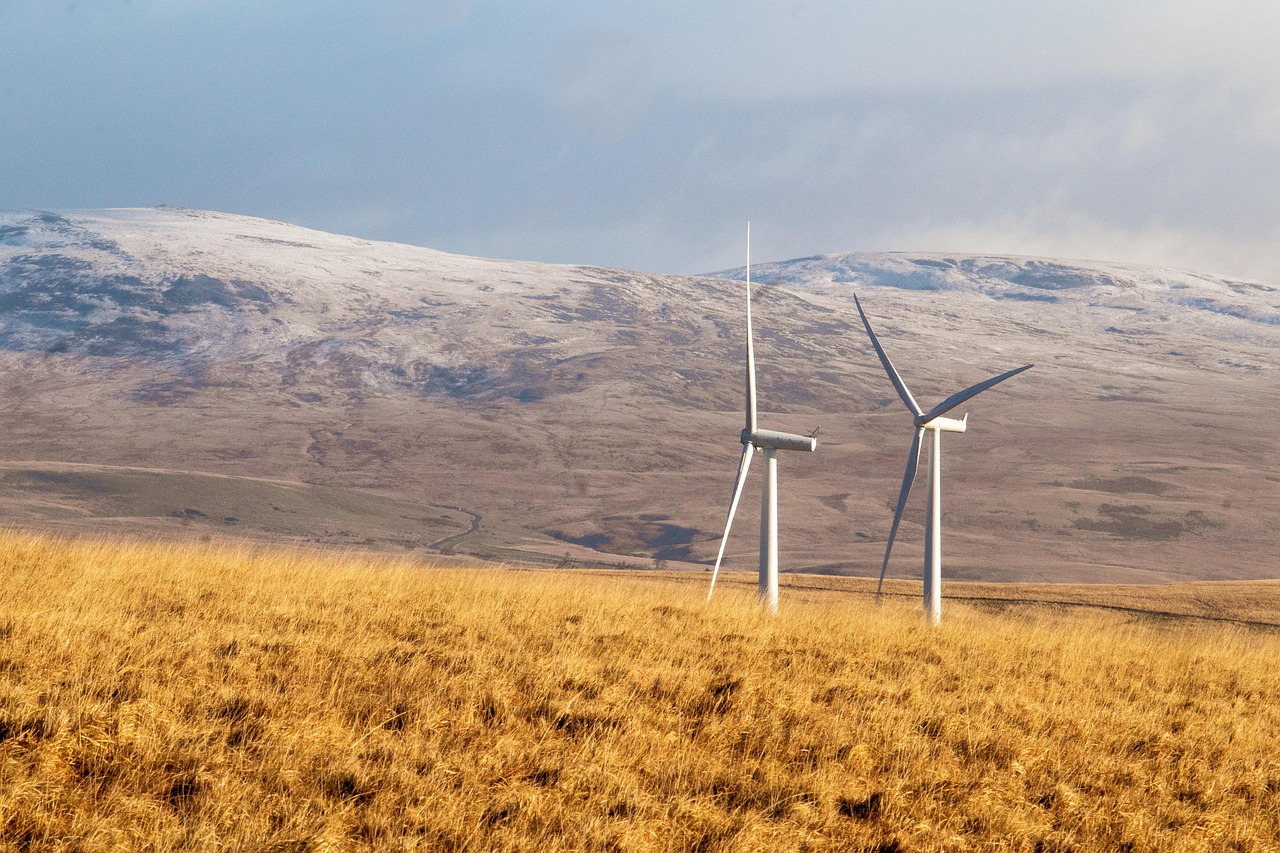
The integration of autonomous systems in wind farms has revolutionized the way we approach renewable energy production. At the heart of this technology lies the concept of artificial intelligence, which enables wind farms to operate independently, making real-time decisions to optimize energy production. One of the key terms in this context is machine learning, a subset of artificial intelligence that allows systems to learn from data and improve their performance over time. For instance, machine learning algorithms can be used to predict wind patterns, enabling wind turbines to adjust their rotation speed and angle to maximize energy production.
Another crucial aspect of autonomous systems in wind farms is data analytics, which involves collecting and analyzing vast amounts of data from various sources, including sensors, weather forecasts, and turbine performance metrics. This data is then used to identify trends, detect anomalies, and make informed decisions to optimize wind farm operations. For example, data analytics can help identify the most efficient turbine settings, predict maintenance needs, and optimize energy storage and distribution. The use of internet of things (IoT) devices has further enhanced the capabilities of autonomous systems in wind farms, enabling real-time monitoring and control of turbine performance, as well as remote monitoring and predictive maintenance.
The application of autonomous control systems in wind farms has also improved the overall efficiency and reliability of wind energy production. These systems use advanced algorithms and sensors to monitor and control turbine performance, adjusting parameters such as rotation speed, pitch angle, and yaw angle to optimize energy production. Autonomous control systems can also detect faults and anomalies, triggering maintenance alerts and enabling proactive maintenance to minimize downtime. Furthermore, the integration of weather forecasting systems with autonomous control systems enables wind farms to anticipate and prepare for changing weather conditions, ensuring optimal energy production and reducing the risk of damage to turbines.
In addition to these technical aspects, the integration of autonomous systems in wind farms also raises important considerations related to cybersecurity. As wind farms become increasingly reliant on connected devices and remote monitoring systems, the risk of cyber threats and data breaches increases. Therefore, it is essential to implement robust cybersecurity measures, such as encryption, firewalls, and secure authentication protocols, to protect wind farm systems and data from unauthorized access. The use of cloud computing has also become more prevalent in wind farm operations, enabling the storage and analysis of large datasets, as well as remote monitoring and control of wind farm systems.
The architecture of autonomous systems in wind farms typically consists of several layers, including sensors, data processing, and control systems. Sensors monitor various parameters such as wind speed, direction, and turbine performance, while data processing systems analyze and interpret this data to make informed decisions. Control systems then execute these decisions, adjusting turbine settings and other parameters to optimize energy production. The integration of edge computing has also improved the efficiency and responsiveness of autonomous systems in wind farms, enabling real-time data processing and analysis at the edge of the network.
The benefits of autonomous systems in wind farms are numerous, including increased efficiency, reduced maintenance costs, and improved reliability. Autonomous systems can optimize energy production, predict maintenance needs, and detect faults, resulting in significant cost savings and improved overall performance. Additionally, the use of autonomous systems can also enhance safety, reducing the risk of accidents and injuries by minimizing human intervention and enabling remote monitoring and control. The integration of condition monitoring systems has also become more prevalent in wind farms, enabling real-time monitoring of turbine condition and performance, and predicting maintenance needs.
However, the implementation of autonomous systems in wind farms also poses several challenges, including the need for significant investment in infrastructure and technology, as well as the requirement for specialized expertise in areas such as artificial intelligence and data analytics. Furthermore, the integration of autonomous systems can also raise complexity issues, requiring careful consideration of system architecture, data management, and cybersecurity. The use of standards and regulations can help address these challenges, ensuring interoperability and consistency across different systems and wind farms.
In terms of applications, autonomous systems in wind farms have numerous uses, including predictive maintenance, performance optimization, and energy storage management. Predictive maintenance involves using data analytics and machine learning to predict when maintenance is required, enabling proactive maintenance and minimizing downtime. Performance optimization involves using autonomous control systems to optimize turbine settings and energy production, while energy storage management involves using autonomous systems to optimize energy storage and distribution. The integration of electric vehicles has also become more prevalent in wind farms, enabling the use of wind energy to charge vehicles and reducing greenhouse gas emissions.
The future of autonomous systems in wind farms is exciting and rapidly evolving, with ongoing research and development in areas such as artificial intelligence, internet of things, and edge computing. As these technologies continue to advance, we can expect to see even more sophisticated and efficient autonomous systems in wind farms, enabling further improvements in energy production, maintenance, and overall performance. The use of 5G networks has also become more prevalent in wind farms, enabling faster and more reliable communication between devices and systems.
One of the key technologies driving the development of autonomous systems in wind farms is computer vision, which involves using cameras and other sensors to monitor and analyze visual data from turbines and other equipment. Computer vision can be used to detect faults and anomalies, monitor turbine performance, and optimize maintenance schedules. Another important technology is natural language processing, which involves using artificial intelligence to analyze and interpret human language, enabling more intuitive and user-friendly interfaces for wind farm operators. The integration of robotics has also become more prevalent in wind farms, enabling the use of autonomous robots for inspection, maintenance, and repair tasks.
The use of digital twins has also become more prevalent in wind farms, enabling the creation of virtual models of turbines and other equipment. Digital twins can be used to simulate and analyze turbine performance, predict maintenance needs, and optimize energy production. The integration of augmented reality has also become more prevalent in wind farms, enabling the use of virtual and augmented reality technologies to enhance operator training, maintenance, and inspection tasks. The use of blockchain has also been explored in wind farms, enabling the secure and transparent management of data and transactions.
In terms of practical applications, autonomous systems in wind farms have numerous uses, including condition monitoring, predictive maintenance, and performance optimization. Condition monitoring involves using sensors and data analytics to monitor turbine condition and performance, while predictive maintenance involves using machine learning and data analytics to predict when maintenance is required. Performance optimization involves using autonomous control systems to optimize turbine settings and energy production. The integration of energy storage systems has also become more prevalent in wind farms, enabling the storage and distribution of excess energy produced by turbines.
The benefits of autonomous systems in wind farms are numerous, including increased efficiency, reduced maintenance costs, and improved reliability. Additionally, the use of autonomous systems can also enhance safety, reducing the risk of accidents and injuries by minimizing human intervention and enabling remote monitoring and control. The integration of cybersecurity measures has also become more prevalent in wind farms, enabling the protection of wind farm systems and data from cyber threats.
The challenges of implementing autonomous systems in wind farms are numerous, including the need for significant investment in infrastructure and technology, as well as the requirement for specialized expertise in areas such as artificial intelligence and data analytics. Furthermore, the integration of autonomous systems can also raise complexity issues, requiring careful consideration of system architecture, data management, and cybersecurity. The use of standards and regulations can help address these challenges, ensuring interoperability and consistency across different systems and wind farms.
In terms of case studies, there are numerous examples of autonomous systems being used in wind farms around the world. For example, a wind farm in the United States used autonomous control systems to optimize turbine settings and energy production, resulting in a 5% increase in energy production and a 10% reduction in maintenance costs. Another wind farm in Europe used predictive maintenance to predict when maintenance was required, enabling proactive maintenance and minimizing downtime. The integration of autonomous inspection systems has also become more prevalent in wind farms, enabling the use of drones and other autonomous vehicles to inspect turbines and other equipment.
One of the key applications of autonomous systems in wind farms is predictive maintenance, which involves using data analytics and machine learning to predict when maintenance is required. Predictive maintenance can help minimize downtime, reduce maintenance costs, and improve overall turbine performance. Another important application is performance optimization, which involves using autonomous control systems to optimize turbine settings and energy production.
The use of autonomous systems in wind farms has numerous benefits, including increased efficiency, reduced maintenance costs, and improved reliability.
In terms of research and development, there are numerous ongoing projects and initiatives focused on advancing the use of autonomous systems in wind farms. For example, researchers are exploring the use of artificial intelligence and machine learning to improve predictive maintenance and performance optimization. Others are investigating the use of edge computing and 5G networks to enable faster and more reliable communication between devices and systems.
The implementation of autonomous systems in wind farms requires careful consideration of several factors, including system architecture, data management, and cybersecurity. System architecture involves designing and configuring the autonomous system to meet the specific needs of the wind farm, while data management involves collecting, storing, and analyzing data from various sources. Cybersecurity involves protecting the autonomous system and its data from cyber threats and unauthorized access. The use of standards and regulations can help ensure interoperability and consistency across different systems and wind farms.
In terms of best practices, there are several guidelines and recommendations for implementing autonomous systems in wind farms. For example, it is essential to develop a clear understanding of the wind farm's specific needs and requirements, as well as the capabilities and limitations of the autonomous system. It is also important to establish a robust cybersecurity framework to protect the autonomous system and its data from cyber threats.
The integration of autonomous systems in wind farms has numerous benefits, including increased efficiency, reduced maintenance costs, and improved reliability. The use of cybersecurity measures has also become more prevalent in wind farms, enabling the protection of wind farm systems and data from cyber threats.
The future of autonomous systems in wind farms is exciting and rapidly evolving, with ongoing research and development in areas such as artificial intelligence, internet of things, and edge computing. The integration of 5G networks has also become more prevalent in wind farms, enabling faster and more reliable communication between devices and systems.
One of the key challenges of implementing autonomous systems in wind farms is the need for significant investment in infrastructure and technology, as well as the requirement for specialized expertise in areas such as artificial intelligence and data analytics.
The benefits of autonomous systems in wind farms are numerous, including increased efficiency, reduced maintenance costs, and improved reliability.
In terms of practical applications, autonomous systems in wind farms have numerous uses, including predictive maintenance, performance optimization, and energy storage management.
In terms of case studies, there are numerous examples of autonomous systems being used in wind farms around the world.
The benefits of autonomous systems in wind farms are numerous, including increased efficiency, reduced maintenance costs, and improved reliability.
Key takeaways
- At the heart of this technology lies the concept of artificial intelligence, which enables wind farms to operate independently, making real-time decisions to optimize energy production.
- Another crucial aspect of autonomous systems in wind farms is data analytics, which involves collecting and analyzing vast amounts of data from various sources, including sensors, weather forecasts, and turbine performance metrics.
- These systems use advanced algorithms and sensors to monitor and control turbine performance, adjusting parameters such as rotation speed, pitch angle, and yaw angle to optimize energy production.
- The use of cloud computing has also become more prevalent in wind farm operations, enabling the storage and analysis of large datasets, as well as remote monitoring and control of wind farm systems.
- The integration of edge computing has also improved the efficiency and responsiveness of autonomous systems in wind farms, enabling real-time data processing and analysis at the edge of the network.
- The integration of condition monitoring systems has also become more prevalent in wind farms, enabling real-time monitoring of turbine condition and performance, and predicting maintenance needs.
- Furthermore, the integration of autonomous systems can also raise complexity issues, requiring careful consideration of system architecture, data management, and cybersecurity.