
Furniture Making Techniques
Mortise and tenon joinery is a cornerstone of advanced furniture construction, providing a strong mechanical bond that resists both shear and tension forces. The mortise is a rectangular cavity cut into one member, while the tenon is a matc…
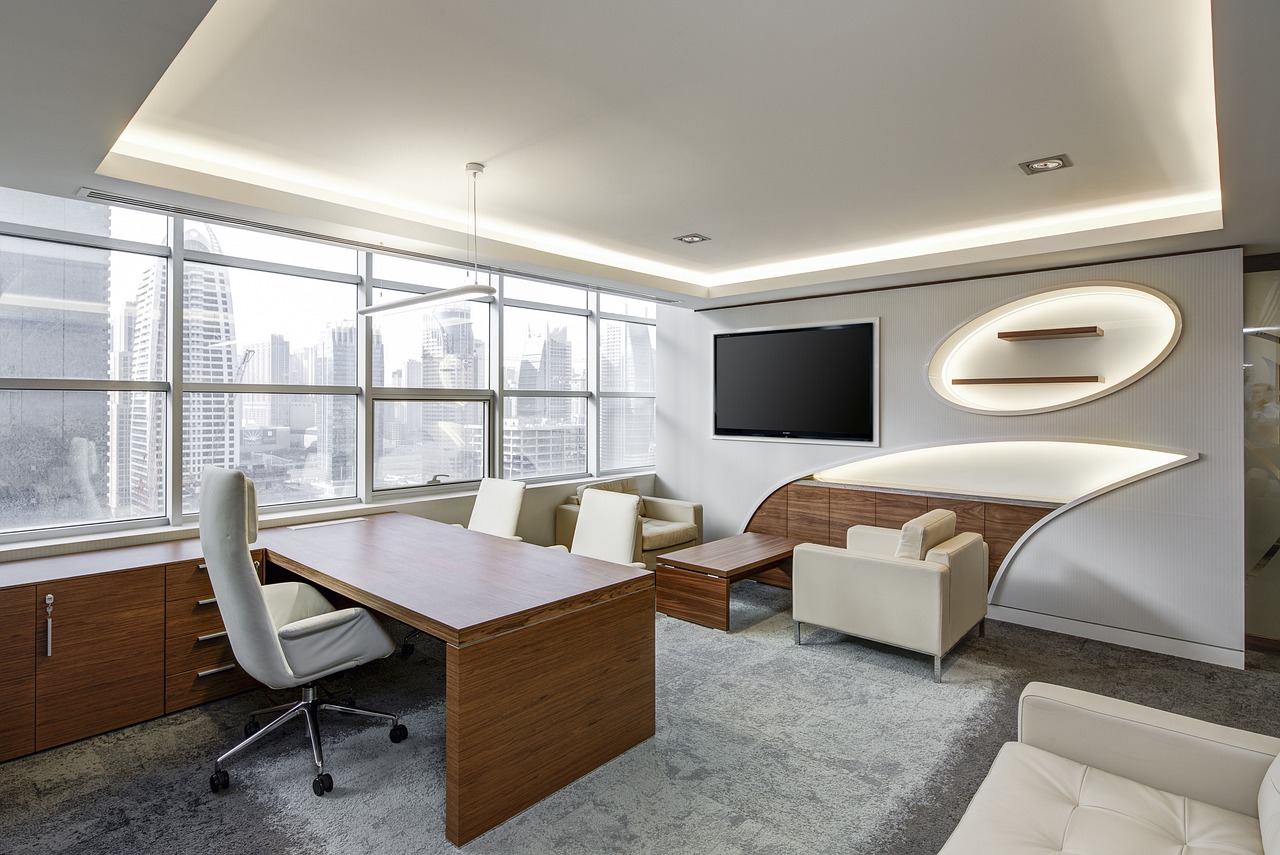
Mortise and tenon joinery is a cornerstone of advanced furniture construction, providing a strong mechanical bond that resists both shear and tension forces. The mortise is a rectangular cavity cut into one member, while the tenon is a matching projection on the adjoining piece. Precise layout of the mortise depth, width, and shoulder is essential; a common practice is to make the shoulder flush with the face of the board to maximize glue surface. In a traditional dining table, the legs are often attached to the aprons using mortise‑and‑tenon joints, allowing the structure to bear heavy loads while remaining aesthetically clean. Challenges include ensuring the tenon fits tightly without excessive force; a snug fit may require a hand‑plane or a sanding block, whereas a loose fit can lead to wobble and eventual failure.
The dovetail joint is celebrated for its interlocking geometry and visual appeal, particularly in drawer construction. Dovetails consist of a series of pins and tails that lock together, distributing stress across a large area. There are several variations—through dovetail, half‑blind dovetail, and secret‑miter dovetail—each chosen for its visibility and function. When crafting a chest of drawers, a through dovetail provides maximum strength and a decorative profile on both the front and back. Precision is critical; the angle of the tails is typically set at 7–8 degrees for softwoods and 8–9 degrees for hardwoods, a nuance that affects the tightness of the joint. In practice, a dovetail jig can speed up layout, but the final cutting must be verified with a marking gauge and a fine‑tooth saw to avoid gaps.
A finger joint (also called box joint) is a series of interlocking rectangular cuts that create a large glue surface, making it ideal for box constructions and cabinet panels. The joint’s simplicity lends itself to both hand‑cut and CNC‑produced parts. For example, a modern sideboard may employ finger joints on its frame to achieve a sleek, continuous grain line. The main challenge lies in maintaining uniform finger width; any deviation can cause misalignment and weaken the joint. A common solution is to use a dado set on a table saw, setting the blade height to the board thickness and adjusting the fence for consistent spacing.
The dowel joint utilizes cylindrical wooden pins inserted into matching holes to align and strengthen two components. Dowels are frequently used in chair legs where a clean appearance is desired and the joint must resist lateral movement. When assembling a Windsor chair, dowels are inserted into pre‑drilled holes in the seat rail and the back splat, providing hidden reinforcement. Accurate dowel placement depends on a doweling jig that guarantees parallelism and equal depth. A frequent difficulty is wood shrinkage causing loose dowels; selecting a moisture‑stable wood and using a glue with appropriate open time can mitigate this issue.
Biscuit joinery employs oval‑shaped compressed wood discs (biscuits) that swell when exposed to glue, creating a tight, concealed bond. This method is especially useful for aligning long grain panels such as table tops or cabinet doors. A practical example is the use of biscuits to join the two halves of a large dining table top, ensuring a seamless grain flow. The biscuit cutter must be set to the correct depth, typically half the board thickness, and the slots must be aligned precisely before glue application. Common challenges include the biscuit swelling unevenly if the glue is over‑applied, leading to a raised surface that must be sanded flat.
The splines technique involves inserting a thin strip of wood into a groove cut across the joint faces, adding extra gluing area and visual interest. Splines are often used in frame construction for glass doors, where the thin strip provides both structural support and a decorative accent. In a cabinet door, a contrasting hardwood spline can be inset into a groove, highlighting the grain direction. The primary difficulty is ensuring the spline fits flush without gaps; a splintered spline can compromise both strength and appearance. Using a router with a straight‑bit cutter and a fine‑tooth saw for trimming helps achieve a perfect fit.
Pocket hole joinery, created with a pocket‑hole jig, produces a hidden screw joint that is quick to assemble and sufficiently strong for many furniture applications. It is commonly employed in constructing shelving units, where speed and repeatability are valued. The angle of the pocket (usually 15 degrees) and the length of the screw are selected based on board thickness; a typical rule of thumb is to use a screw that is 2‑3 mm longer than the board thickness. A major challenge is preventing the screw head from protruding through the workpiece; countersinking with a drill bit and using a washer can resolve this problem.
Lamination refers to the process of bonding multiple thin layers of wood together to form a thicker, more stable panel. This technique is fundamental in building curved components such as chair backs and table legs, where a single solid piece would be prone to warping. For instance, a bent lamination of maple strips can be clamped around a form to create a graceful arm of a lounge chair. The key variables are veneer thickness, glue spread, and clamp pressure; insufficient glue or uneven pressure can lead to delamination. Modern adhesives such as epoxy or urea‑formaldehyde resin provide stronger bonds for structural laminations.
The veneer is a thin slice of high‑quality wood applied to the surface of a less expensive substrate, giving the appearance of solid wood while conserving material. Veneering is often used on the faces of cabinets and tables to achieve a uniform grain pattern. A classic example is a walnut veneer applied over a stable MDF core, combining the aesthetic of walnut with the dimensional stability of engineered wood. Challenges include achieving a seamless edge grain match and preventing air bubbles; a vacuum press and careful alignment of the veneer edges are essential for a professional finish.
Edge banding is the application of a thin strip of material—often veneer, solid wood, or PVC—to protect and finish the exposed edges of panels. This is especially important for particleboard or MDF components where raw edges are prone to moisture absorption and damage. In a modern desk, edge banding may be applied to the side panels using a hot‑melt adhesive, then trimmed flush with a router bit. The main difficulty lies in achieving a smooth transition between the banded edge and the main surface; a light sanding followed by a fine finish coat helps blend the joint.
Sanding is the process of smoothing a surface by abrasion, preparing it for finishing. The progression from coarse to fine grit (e.G., 80, 120, 220, 320) Removes tool marks and reveals the wood grain. In a hand‑crafted chair, sanding is performed first with a block for flat surfaces and then with a flexible pad for curved areas. One common challenge is maintaining an even surface without creating low spots; using a sanding sealer before the final finish can level minor imperfections and improve the final appearance.
Finishing encompasses all treatments applied after sanding to protect the wood and enhance its visual qualities. Common finishes include oil, lacquer, shellac, and polyurethane. An oil finish, such as Danish oil, penetrates the wood, emphasizing grain while offering moderate protection. Lacquer provides a hard, high‑gloss surface but requires a well‑ventilated area due to its volatile solvents. Shellac, derived from natural resin, offers quick drying and a warm tone but is less resistant to heat. Polyurethane, whether oil‑based or water‑based, delivers a durable, water‑resistant coat suitable for high‑traffic furniture. Selecting a finish depends on the intended use, desired look, and maintenance considerations. A frequent challenge is achieving an even coat without runs; applying thin layers with a lint‑free cloth or a sprayer, allowing proper drying time, and lightly sanding between coats resolves most issues.
Adhesives are crucial for many joinery methods. Polyvinyl acetate (PVA) glue is the workhorse for most woodworking, offering strong bonds on wood-to-wood surfaces when clamped adequately. Epoxy resin provides superior strength and gap‑filling capability, making it ideal for repairing cracks or bonding dissimilar materials such as metal to wood. Hide glue, a traditional animal‑based adhesive, is prized for its reversibility and suitability for antique restoration, as it can be softened with heat and moisture. The choice of adhesive influences the joint’s durability, especially under varying humidity. For example, a drawer constructed with PVA may fail in a high‑humidity environment if the wood swells, whereas a hide‑glue joint can accommodate slight movement without loss of integrity.
Clamps are devices that hold workpieces together while the adhesive cures. Common types include bar clamps, pipe clamps, and spring clamps. In assembling a cabinet frame, a series of bar clamps are positioned across the joints, applying even pressure to prevent gaps. The main difficulty is avoiding over‑clamping, which can squeeze out too much glue and weaken the bond. Using a clamp with a built‑in pressure gauge or placing a piece of scrap wood between the clamp jaws and the workpiece helps distribute force evenly and protect the surface.
Jigs are custom‑made fixtures that guide tools and ensure repeatable accuracy. A dovetail jig, a doweling jig, and a pocket‑hole jig each serve specific functions. For instance, a jig for a router table can guide a straight‑bit to cut precise dadoes for shelf supports. The challenge with jigs lies in their setup; any misalignment in the jig will be transferred to every part produced. Therefore, regularly checking the jig’s reference edges against a calibrated square and adjusting as needed is essential.
Layout refers to the process of marking out dimensions, cut lines, and reference points before any material is removed. Tools such as a marking gauge, combination square, and pencil are employed to transfer measurements from a drawing to the wood. In a chair‑making project, the layout stage determines the exact position of mortises, tenons, and seat holes, directly influencing fit and comfort. A common pitfall is “layout fatigue,” where repeated measurements lead to errors; using a layout board with preset reference lines can reduce this risk.
Marking gauge is a hand tool that sets a consistent distance from an edge, allowing the woodworker to scribe a parallel line for cuts or joinery. When cutting the shoulders of a tenon, the marking gauge is set to the desired depth and run along the board’s face to indicate the cut line. The key to accuracy is keeping the gauge perpendicular to the grain; a tilted gauge will produce an uneven shoulder, compromising the joint’s strength.
Combination square combines a ruler, a 90‑degree head, and a 45‑degree head, serving multiple measuring and checking purposes. It is indispensable for verifying the squareness of a workbench, checking the depth of a mortise, or marking a line for a bevel cut. In a high‑precision cabinet, the combination square is used repeatedly to confirm that all faces remain true throughout assembly. Errors often arise from a worn or damaged head; regular inspection and replacement of the square’s head ensure continued reliability.
Bench hook is a simple yet effective accessory that secures a workpiece to the bench, allowing safe sawing or planing of narrow strips. When ripping a panel for a table top, the bench hook prevents the board from sliding forward as the saw moves, reducing the chance of kick‑back. The main issue is ensuring the hook’s grip is firm; using a soft‑wood block under the hook can increase friction and improve stability.
Workbench design influences ergonomics, tool access, and overall efficiency. A sturdy bench with a thick top (typically 2–3 inches) provides a solid platform for hand‑tool work, while integrated vises enable clamping of irregular shapes. In an advanced furniture studio, the workbench may feature a dog hole pattern to accommodate bench dogs for holding workpieces during planing or chisel work. Challenges include maintaining a flat surface; regular planing of the bench top and using a bench scraper to remove dents keep the surface true.
Safety equipment such as eye protection, hearing protection, and dust masks are non‑negotiable in any workshop. When operating a table saw or router, safety glasses prevent debris from entering the eyes, while earplugs mitigate the risk of hearing loss from prolonged exposure to high decibel levels. A dust collection system, connected to the power tools, reduces airborne particles that can cause respiratory issues. The most common safety lapse is neglecting to secure the workpiece; always use clamps or a jig to hold material firmly before cutting.
Tool maintenance is essential for consistent performance and longevity. Sharp blades produce clean cuts, reducing tear‑out and the need for extensive sanding. For example, a dull dovetail saw will produce ragged tails that require additional finishing work. Regularly sharpening the blade with a honing stone, checking the alignment of a router bit, and lubricating moving parts of a hand plane are routine tasks. A typical challenge is identifying the correct angle for sharpening; consulting the tool manufacturer’s specifications or using a dedicated angle guide ensures accuracy.
Wood species influence both aesthetics and structural properties. Hardwoods such as oak, maple, walnut, and cherry offer high density, fine grain, and excellent wear resistance, making them suitable for high‑traffic furniture like tables and chairs. Softwoods like pine, spruce, and fir are lighter, easier to work with, and more economical, often used for prototypes or decorative components. Engineered wood products, including plywood, MDF, and particleboard, provide dimensional stability and are frequently chosen for cabinet carcasses. The primary challenge is matching the wood’s characteristics to the intended function; a chair destined for daily use should prioritize hardness and stability, whereas a decorative panel may prioritize visual grain patterns.
Grain direction determines how a board will react to cutting forces and moisture changes. Cutting across the grain (cross‑grain) tends to produce tear‑out, while cutting with the grain (rim‑cut) yields smoother edges. In a table‑leg design, the grain should run parallel to the length of the leg to maximize strength and minimize splitting. Wood movement due to changes in humidity often occurs perpendicular to the grain; thus, joints must accommodate this expansion and contraction. A common pitfall is ignoring grain orientation when assembling panels, leading to gaps or cracks over time.
Moisture content is a critical factor in wood stability. Green wood typically contains 50–80 % moisture, whereas seasoned wood is reduced to 6–8 %. Using a moisture meter, the woodworker can assess the appropriate time to begin construction. For example, a table top made from lumber that has not reached equilibrium may warp after glue application. The challenge lies in controlling environmental conditions; storing lumber in a climate‑controlled room and allowing it to acclimate before use helps achieve consistent moisture levels.
Wood movement encompasses shrinkage, swelling, and dimensional changes caused by moisture fluctuations. These movements can affect joint integrity, especially in panel constructions where the grain runs across the width. In a cabinet door, a frame‑and‑panel design allows the central panel to expand without pushing the frame apart, as the panel is glued only to the inner edges of the frame. A frequent issue is “crown” formation, where the board bows outward; this can be mitigated by allowing the wood to dry slowly and by using proper joint designs that accommodate movement.
Warp, cup, and twist are specific forms of wood deformation. Warp refers to a general curvature along the length, cup describes a concave or convex shape across the width, and twist indicates a helical distortion. When selecting boards for a tabletop, a craftsman inspects each piece for these defects, rejecting those with excessive cup that could lead to an uneven surface. The remedy for minor cup is to plane the board on a jointer, removing the high side until the board lies flat. Excessive warp may require splitting the board and rejoining the straight sections with a scarf joint.
Seasoning is the process of drying wood to a stable moisture content, achieved either through air‑drying or kiln‑drying. Air‑drying involves stacking lumber with spacers (stickers) to promote airflow, while kiln‑drying accelerates the process by controlling temperature and humidity. For high‑quality furniture, kiln‑dried hardwood is often preferred because it provides consistent moisture levels and reduces the risk of later movement. A challenge in seasoning is avoiding “case hardening,” where the outer layers dry faster than the interior, leading to internal stresses and potential cracking. Monitoring drying schedules and adjusting kiln parameters can prevent this condition.
Adhesive selection must consider the specific joint, wood species, and environmental exposure. PVA glue works well for interior furniture but may break down under high humidity; a waterproof PVA variant is available for outdoor pieces. Epoxy resin, with its high shear strength and gap‑filling ability, is suited for repairing cracked table legs or bonding metal brackets. Hide glue, while less common in modern production, remains the adhesive of choice for antique restoration because it can be reversed with heat and moisture, preserving the original craftsmanship. Selecting the wrong adhesive can lead to joint failure, especially in load‑bearing components.
Clamp placement influences the distribution of pressure across a joint. In a mortise‑and‑tenon joint, clamps should be positioned so that the force pushes the tenon into the mortise while also supporting the shoulders. Using a combination of C‑clamps and bar clamps allows the woodworker to apply pressure at multiple points, ensuring even glue film thickness. Over‑clamping can squeeze out too much glue, while under‑clamping may result in a weak bond. A practical tip is to place a small piece of wood (a “caul”) between the clamp jaw and the workpiece to spread pressure evenly and protect the surface.
Router techniques expand the range of possible joinery and decorative details. A straight‑bit router can cut dados for shelf supports, while a flush‑trim bit can shape the edges of a curved panel to match a template. In advanced chair making, a router fitted with a chamfer bit creates a subtle bevel on the seat edges, enhancing comfort and visual appeal. The main challenge is controlling the router’s feed rate; feeding too quickly can cause burning, while feeding too slowly may lead to tear‑out. Using a router table with a steady rest and a plunge base provides greater stability and accuracy.
Table saw operations are fundamental for ripping large panels, cutting joinery, and trimming dimensions. The saw’s fence must be set parallel to the blade within a tolerance of 0.1 Mm to ensure square cuts. When cutting the aprons for a table, a feather‑board can hold the workpiece against the fence, preventing kick‑back and maintaining consistent width. Common issues include blade deflection on thick stock, which can be reduced by selecting a blade with a higher tooth count and lower kerf, and ensuring the saw’s trunnion is properly aligned.
Band saw applications include cutting irregular shapes, resawing boards, and producing curved components. The band saw’s low blade speed and thin kerf make it ideal for extracting thin veneers from a hardwood log. In a chair‑making project, a band saw can be used to cut the curved backrest profile, allowing for smooth, continuous cuts. The primary challenge is blade tension; an overly lax blade will wander, while an overly tight blade may break. Regularly checking tension and using a blade appropriate for the wood’s hardness ensures clean cuts.
Hand plane usage remains indispensable for fine adjustments, smoothing surfaces, and setting final dimensions. A bench plane with a 1/4‑inch mouth can remove high spots on a tabletop without removing excessive material. The plane’s iron must be set to a precise angle (typically 45 degrees for bevel‑up planes) and honed to a razor edge. A common difficulty is “chatter,” where the plane vibrates and leaves a wavy surface; this can be mitigated by ensuring the plane’s sole is flat, the knob is tightened, and the wood grain is traversed at a slight angle rather than directly with the grain.
Chisel work is essential for cleaning mortises, shaping tenons, and trimming dovetail sockets. A set of bevel‑edge chisels, ranging from 1/8 inch to 1 inch, provides flexibility for both fine and heavy removal. When cleaning a mortise, the chisel is held at a low angle (about 10–15 degrees) and tapped gently with a mallet to avoid splitting the wood. The challenge lies in maintaining a straight cutting edge; regular sharpening on a sharpening stone or a honing system preserves the chisel’s performance and reduces hand fatigue.
Saw selection influences cut quality and efficiency. A backsaw with a fine tooth count (e.G., 15 TPI) is preferred for dovetail work, while a tenon saw with a slightly coarser tooth count (e.G., 13 TPI) excels at cutting tenon shoulders. Using a saw with a proper tensioned blade prevents wobble and ensures clean cuts. A frequent mistake is using a saw with an unsuitable tooth geometry for the wood type; for dense hardwoods, a larger tooth angle reduces resistance, whereas softwoods benefit from finer teeth.
Finishing techniques such as wiping, brushing, or spraying each have distinct advantages. Wiping oil finishes with a lint‑free cloth provides a thin, even coat that penetrates deep into the wood, ideal for pieces that require a hand‑crafted feel. Spraying lacquer yields a uniform, high‑gloss surface quickly but requires careful masking to protect surrounding areas. Brushing polyurethane can produce a thick, protective layer suitable for tabletops that endure heavy use. The primary challenge is achieving a consistent sheen; employing a fan brush for polyurethane and a high‑quality spray gun for lacquer reduces streaks and brush marks.
Surface preparation prior to finishing includes cleaning, sanding, and dust removal. A tack cloth or a vacuum with a HEPA filter effectively removes fine particles that could mar the finish. In a high‑gloss cabinet, a final polishing with a fine‑grit (e.G., 400) Sandpaper smooths any micro‑scratches before the topcoat is applied. The difficulty often lies in ensuring the surface is completely free of oil or wax residues; cleaning with a mineral spirits‑dampened cloth eliminates contaminants that inhibit adhesion.
Colour staining allows the woodworker to alter the hue while preserving the grain pattern. An oil‑based stain penetrates deeper than a water‑based variant, providing richer colour, but requires longer drying times. When staining a walnut table top to a darker tone, multiple thin coats are preferable to a single heavy coat, as this promotes even absorption and reduces blotching. A common problem is uneven colour due to variations in wood density; testing the stain on a scrap piece and adjusting the application technique mitigates this risk.
Protective coatings such as wax, varnish, or polyurethane enhance durability. A paste wax applied over a cured oil finish adds a soft sheen and additional moisture resistance, suitable for dining chairs that are frequently handled. Varnish, with its resin component, offers a hard, glossy surface, but may yellow over time, especially in light exposure. Polyurethane, especially the water‑based formulation, remains clear and UV‑stable, making it ideal for outdoor furniture. Selecting the appropriate coating depends on the expected wear, exposure conditions, and desired aesthetic.
Repair methods are essential for extending the life of furniture. Cracks in a tabletop can be filled with a two‑part epoxy resin, then sanded flush and refinished. Loose joints may be re‑glued after cleaning the old adhesive with a scraper and applying fresh glue with proper clamping. In a chair with a broken leg, a scarf joint—cutting the leg at an angle and overlapping the pieces—provides a strong repair that distributes stress. The main difficulty in repairs is matching the original finish; using a finish that blends with the existing surface ensures the repair remains inconspicuous.
Ergonomics in furniture design influences user comfort and health. Seat height, backrest angle, and armrest placement must be considered to support natural posture. In a high‑back office chair, the backrest should follow the lumbar curvature, while the seat depth should allow the user to sit with a small gap between the back of the knees and the seat edge. Designing with ergonomics in mind often requires iterative prototyping and testing, as well as consultation of anthropometric data. A challenge is balancing aesthetic appeal with functional ergonomics; integrating adjustable components can provide flexibility without compromising style.
Design documentation such as detailed drawings, material lists, and step‑by‑step instructions ensures consistency and repeatability. A full‑scale drawing of a sideboard includes dimensions for each panel, joint locations, and finish specifications. Material lists specify the grade, moisture content, and quantity of each wood type, preventing shortages mid‑project. Step‑by‑step instructions, accompanied by photographs or diagrams, guide the builder through complex processes like assembling a curved backrest using laminated strips. The primary obstacle is maintaining accuracy in the documentation; using CAD software to generate precise measurements reduces errors and facilitates communication among team members.
Quality control involves inspection at each stage of construction to verify compliance with design tolerances. After mortising, the tenon should be test‑fitted to confirm a snug but not forced fit. A gap gauge can measure the clearance between joint surfaces, aiming for less than 0.1 Mm. Final inspection of a finished piece includes checking for surface defects, ensuring the finish is uniform, and verifying that all hardware is securely attached. Common failures include misaligned joints and uneven finishes; establishing a checklist and conducting peer reviews help catch these issues before the piece leaves the workshop.
Environmental considerations are increasingly important in modern furniture making. Selecting sustainably sourced wood, such as FSC‑certified lumber, reduces the ecological footprint. Utilizing low‑VOC finishes minimizes indoor air pollution, benefiting both the maker and end‑user. Waste reduction strategies include recycling off‑cuts into small accessories, using reclaimed wood for secondary components, and employing efficient cutting layouts to maximize material usage. A challenge is balancing cost with sustainability; sourcing reclaimed hardwood may be more expensive, but the unique character it adds can justify the investment.
Tool innovation like CNC routers and laser cutters expands design possibilities. A CNC router can precisely cut intricate inlay patterns or produce repeatable components for modular furniture systems. Laser cutting offers fast prototyping of small parts, such as hardware templates or decorative panels. Integrating these technologies requires knowledge of CAD/CAM software, toolpath optimization, and material selection to avoid burn marks. The main difficulty lies in translating hand‑crafted aesthetics into digital workflows; careful programming and post‑processing—such as sanding and finishing—ensure the final product retains the warmth of traditional craftsmanship.
Project management skills are vital for coordinating complex furniture builds. Scheduling tasks, allocating resources, and tracking progress prevent delays and budget overruns. For a large dining table project, a Gantt chart might outline stages: Design finalization, material procurement, rough‑cutting, joinery, sanding, finishing, and delivery. Risk assessment identifies potential obstacles, such as delayed wood delivery or tool breakdown, allowing contingency plans to be put in place. Effective communication among team members, using shared documentation platforms, ensures everyone is aligned with the project goals.
Cost estimation involves calculating material expenses, labor time, and overhead. Accurate estimates require knowledge of current lumber prices, adhesive costs, and finish material rates. For example, a walnut sideboard may cost $150 for the wood, $30 for glue and hardware, $40 for finish, and $200 for labor, totaling $420. Adding a margin for profit and unforeseen expenses yields a final price. A common error is underestimating labor time for intricate joinery; tracking actual hours on previous projects helps refine future estimates.
Client communication ensures that expectations are clear and that the final piece meets the intended purpose. Presenting mood boards, material samples, and 3‑D renderings allows clients to visualize the design before construction begins. Throughout the build, regular updates—photos of progress, notes on any adjustments—maintain transparency. Addressing client feedback promptly prevents dissatisfaction; for instance, if a client prefers a lighter stain, the maker can test the stain on a scrap piece and demonstrate the result before applying it to the final piece. The challenge lies in balancing client preferences with technical feasibility; educating the client about wood movement and maintenance helps set realistic expectations.
Maintenance guidelines extend the life of furniture. Providing owners with instructions on cleaning (using mild soap and a soft cloth), avoiding direct sunlight, and re‑applying protective finishes every few years preserves appearance and structural integrity. For a wooden chair, recommending a periodic oil treatment maintains the wood’s moisture balance and prevents drying cracks. The difficulty is conveying technical advice in an accessible manner; using simple language and illustrative diagrams improves comprehension and encourages proper care.
Innovation in joinery continues to evolve, with concepts such as interlocking finger‑joint systems that eliminate the need for adhesives, or the use of mechanical fasteners hidden within decorative elements. In a contemporary coffee table, a hidden metal connector can provide structural support while allowing the wood components to be disassembled for transport. Experimentation with hybrid joints—combining traditional mortise‑and‑tenon with modern epoxy reinforcement—offers increased strength for load‑bearing applications. The primary challenge is validating these new methods through testing, ensuring they meet or exceed the performance of established techniques.
Advanced finishing methods, like French polishing (using shellac and a rubbing compound), achieve a high‑gloss, mirror‑like surface prized in high‑end furniture. The process involves multiple thin coats, each polished with a pad and a fine abrasive, building up a deep, luminous finish. In a mahogany cabinet, French polishing highlights the wood’s natural grain and adds a luxurious feel. However, the technique is labor‑intensive and requires a controlled environment to avoid dust contamination. Mastery of this finish demands patience, meticulous sanding, and an understanding of how each layer interacts with the previous one.
Hybrid material integration expands design horizons. Combining wood with metal, glass, or acrylic creates contrast and functional benefits. A modern desk might feature a solid‑wood tabletop supported by stainless‑steel legs, merging warmth with industrial strength. Attaching metal to wood typically uses screws with washers or epoxy for a seamless bond. Care must be taken to prevent galvanic corrosion when dissimilar metals contact wood that contains moisture; using a non‑conductive barrier such as a thin plastic film or a coat of sealant can prevent this issue.
Precision measurement tools like digital calipers, micrometers, and laser distance meters provide the accuracy required for high‑tolerance components. When machining a tenon to a tolerance of ±0.05 Mm, a digital caliper ensures the dimensions are within spec before glue‑up. Regular calibration of these instruments is essential; a mis‑calibrated caliper can lead to cumulative errors across the piece. The challenge is maintaining measurement consistency across multiple workstations; establishing a standard measurement protocol and using the same reference tools reduces variability.
Material testing methods, such as moisture meters, hardness testers, and bend tests, inform decisions about suitability and durability. A hardness test (Janka) on a piece of oak confirms its resistance to denting, guiding its use for high‑traffic surfaces. Bend testing a laminated strip before installing it as a chair back validates its ability to withstand flexural loads without cracking. Interpreting test results requires knowledge of material properties; for example, a moisture content of 12 % may be acceptable for indoor furniture but too high for a piece intended for a humid coastal environment.
Environmental control within the workshop, including temperature and humidity regulation, stabilizes wood and improves finish application. Maintaining relative humidity between 45–55 % reduces the risk of wood movement during glue curing and finishing. A dehumidifier and a space heater, combined with proper ventilation, create a stable environment. The primary issue is the cost of climate control equipment; however, the investment pays off by reducing waste caused by warped or cracked components.
Documentation of processes through photography, video, and written notes creates a knowledge base for future projects. Recording the sequence of steps for a complex joint, such as a dovetail with a hidden reinforcement plate, aids in training apprentices and refining techniques. A detailed photo log of each stage of a cabinet build provides a visual reference for troubleshooting and showcases the craftsmanship for marketing purposes. The challenge is ensuring documentation is comprehensive yet concise; using a standardized template streamlines the process.
Safety protocols specific to advanced furniture making include lockout‑tagout procedures for power tools, proper handling of chemicals like solvents and finishes, and ergonomic workstation design to prevent repetitive strain injuries. When using a router, the operator must wear a push‑block to keep hands away from the cutter and use a dust extraction system to limit inhalation of fine particles. Regular safety drills and equipment inspections reinforce a culture of responsibility. Overlooking small safety steps can lead to accidents that halt production and incur costs; continual reinforcement of protocols mitigates these risks.
Continuous learning is essential in a field where tools, materials, and design trends evolve. Attending workshops, studying historical furniture techniques, and experimenting with new technologies keeps the craft vibrant. Engaging with professional societies, publishing articles, and participating in competitions provides feedback and inspiration. The main challenge is allocating time for learning amidst a busy production schedule; scheduling dedicated periods for research and development ensures ongoing growth without compromising project deadlines.
Key takeaways
- Challenges include ensuring the tenon fits tightly without excessive force; a snug fit may require a hand‑plane or a sanding block, whereas a loose fit can lead to wobble and eventual failure.
- Precision is critical; the angle of the tails is typically set at 7–8 degrees for softwoods and 8–9 degrees for hardwoods, a nuance that affects the tightness of the joint.
- A finger joint (also called box joint) is a series of interlocking rectangular cuts that create a large glue surface, making it ideal for box constructions and cabinet panels.
- A frequent difficulty is wood shrinkage causing loose dowels; selecting a moisture‑stable wood and using a glue with appropriate open time can mitigate this issue.
- The biscuit cutter must be set to the correct depth, typically half the board thickness, and the slots must be aligned precisely before glue application.
- The splines technique involves inserting a thin strip of wood into a groove cut across the joint faces, adding extra gluing area and visual interest.
- The angle of the pocket (usually 15 degrees) and the length of the screw are selected based on board thickness; a typical rule of thumb is to use a screw that is 2‑3 mm longer than the board thickness.