
Wood Finishing And Decoration
In the realm of wood finishing and decoration, various techniques and materials are employed to enhance the appearance and durability of wooden surfaces. One of the primary considerations is the type of wood being used, as different species…
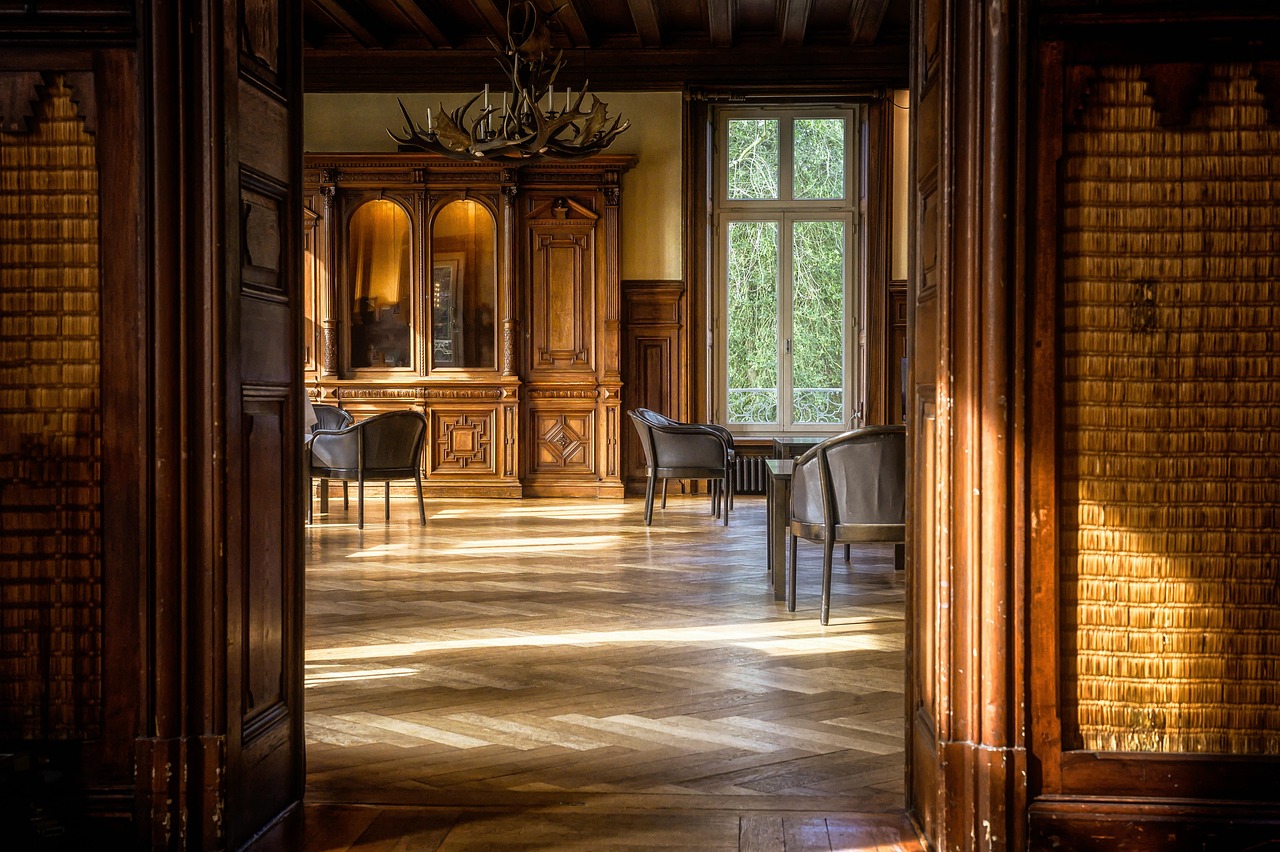
In the realm of wood finishing and decoration, various techniques and materials are employed to enhance the appearance and durability of wooden surfaces. One of the primary considerations is the type of wood being used, as different species have unique characteristics that affect the finishing process. For instance, hardwoods like oak and maple are generally more dense and less prone to warping than softwoods like pine and fir.
The first step in wood finishing is to prepare the surface by sanding it to a smooth finish. This involves using progressively finer grits of sandpaper to remove imperfections and create a uniform texture. The importance of proper sanding cannot be overstated, as it directly affects the quality of the finish and the overall appearance of the final product. Once the surface is sanded, it may be necessary to apply a filler to fill in any holes or gaps. This can be done using a variety of materials, including wood putty, caulk, or resin.
With the surface prepared, the next step is to apply a stain or dye to enhance the color and appearance of the wood. Stains are available in a wide range of colors and can be used to achieve a variety of effects, from a subtle, natural look to a bold, vibrant color. Some stains are specifically designed to accentuate the grain pattern of the wood, while others are intended to produce a more uniform color. Dyes, on the other hand, are used to create a more intense, vibrant color and are often used in combination with stains to achieve a unique, multi-tonal effect.
In addition to stains and dyes, a variety of other materials can be used to enhance the appearance of wooden surfaces. For example, waxes and polishes can be applied to create a high-gloss finish, while oils and varnishes can be used to protect the wood and create a more subtle, matte finish. The choice of finish will depend on the intended use of the piece, as well as personal preference. For instance, a piece of furniture that will be subject to heavy use may require a more durable finish, such as a polyurethane varnish, while a decorative piece may be finished with a more delicate, shellac coating.
The application of a finish can be a complex process, requiring careful planning and execution. One of the most critical factors is the environment in which the finish is applied. Temperature, humidity, and air circulation can all affect the quality of the finish, and it is essential to control these factors to achieve a smooth, even coat. In addition, the tools used to apply the finish can have a significant impact on the final result. For example, a brush can be used to create a textured, uneven finish, while a roller can be used to achieve a smooth, uniform coat.
In terms of practical applications, wood finishing and decoration are used in a wide range of industries, from furniture making to construction. For instance, a cabinetmaker may use a variety of finishes to create a custom kitchen, while a woodworker may use stains and dyes to create a unique piece of furniture. In addition, architects and designers may specify particular finishes for use in commercial or residential construction projects.
One of the challenges of wood finishing and decoration is achieving a consistent, high-quality finish. This can be difficult due to the inherent variability of wood, which can affect the color, texture, and overall appearance of the finish. To overcome this challenge, it is essential to carefully select the materials and techniques used, as well as to test the finish on a small, inconspicuous area before applying it to the entire surface.
Another challenge is the environmental impact of wood finishing and decoration. Many finishes contain chemicals and volatile organic compounds (VOCs) that can harm the environment and human health. To address this issue, many manufacturers are developing eco-friendly finishes that are free from harsh chemicals and VOCs. These finishes are not only better for the environment, but they can also be healthier for the people using them.
In terms of techniques, there are many different methods that can be used to achieve a unique, decorative finish. For example, carving and whittling can be used to create intricate, three-dimensional designs, while inlay and marquetry can be used to create intricate, two-dimensional patterns. Other techniques, such as pyrography and wood burning, can be used to create detailed, high-contrast designs.
The use of technology is also becoming increasingly important in wood finishing and decoration. For example, CNC routers and lasers can be used to create intricate, complex designs with precision and accuracy. In addition, computer-aided design (CAD) software can be used to create detailed, three-dimensional models of furniture and other wooden objects, allowing for greater precision and control in the design and manufacturing process.
In addition to the technical aspects of wood finishing and decoration, there are also many aesthetic considerations. For example, the choice of color and pattern can have a significant impact on the overall appearance of a piece of furniture or a room. The use of textures and materials can also add depth and interest to a design, while the incorporation of ornamentation and decoration can add a touch of elegance and sophistication.
The history of wood finishing and decoration is also a rich and fascinating topic. From the intricate, hand-carved designs of ancient Egyptian and Greek furniture to the ornate, gilded finishes of Baroque and Rococo styles, the art of wood finishing has evolved over centuries, reflecting the technological, cultural, and aesthetic developments of each era.
In terms of preservation and conservation, the techniques used in wood finishing and decoration can play a critical role in protecting and maintaining the integrity of historic furniture and other wooden objects. For example, the use of traditional finishes and techniques can help to preserve the original appearance and character of a piece, while the application of modern finishes and coatings can provide additional protection against wear and tear.
The science behind wood finishing and decoration is also a complex and fascinating topic. The properties of wood itself, including its cell structure and moisture content, can affect the performance and appearance of a finish. The chemistry of finishes, including the interaction between resins, solvents, and pigments, can also have a significant impact on the final result. Understanding these scientific principles is essential for achieving a high-quality finish and for developing new, innovative finishes and techniques.
In the context of furniture making, wood finishing and decoration play a critical role in creating functional, beautiful, and durable pieces. The choice of finish and technique can affect not only the appearance of a piece but also its performance and longevity. For example, a water-resistant finish may be essential for a piece of outdoor furniture, while a stain-resistant finish may be necessary for a piece that will be subject to heavy use.
The use of wood finishing and decoration in restoration and conservation projects is also an important consideration. When working with historic furniture or other wooden objects, it is essential to use techniques and materials that are consistent with the original finish and construction. This may involve researching the history of the piece, analyzing the materials and techniques used, and developing a treatment plan that respects the integrity of the original object.
In terms of innovation and experimentation, the field of wood finishing and decoration is constantly evolving. New materials and techniques are being developed, and existing methods are being refined and improved. For example, the use of nano-technology and advanced materials is allowing for the creation of new, high-performance finishes that offer improved durability, sustainability, and aesthetic appeal.
The artistic aspect of wood finishing and decoration is also an important consideration. The use of color, pattern, and texture can create a wide range of visual effects, from subtle, nuanced designs to bold, statement pieces. The incorporation of ornamentation and decoration can add an extra layer of depth and interest to a design, while the use of mixed media and hybrid techniques can create truly unique and innovative effects.
The psychological impact of wood finishing and decoration should not be overlooked. The use of color and pattern can affect the mood and atmosphere of a space, while the incorporation of texture and ornamentation can create a sense of tactility and engagement. The use of natural materials and organic forms can also create a sense of calm and well-being, while the incorporation of bold colors and geometric patterns can create a sense of energy and excitement.
In terms of cultural and historical significance, the art of wood finishing and decoration reflects the technological, social, and aesthetic developments of each era. From the intricate, hand-carved designs of ancient Egyptian and Greek furniture to the ornate, gilded finishes of Baroque and Rococo styles, the evolution of wood finishing and decoration has been shaped by the cultural, historical, and technological context of each period.
The educational aspect of wood finishing and decoration is also an important consideration. The development of skills and knowledge in this area can provide a range of benefits, from improved employment opportunities to enhanced creativity and self-expression. The study of wood finishing and decoration can also provide a deeper understanding of the materials, techniques, and principles involved, as well as the cultural and historical context in which they have evolved.
In terms of career development, the field of wood finishing and decoration offers a range of opportunities, from apprenticeships and entry-level positions to senior roles and management positions. The development of skills and knowledge in this area can provide a strong foundation for a career in furniture making, restoration, and conservation, as well as related fields such as design, architecture, and engineering.
The use of wood finishing and decoration in interior design is also an important consideration. The choice of finish and technique can affect not only the appearance of a piece of furniture but also the overall aesthetic and atmosphere of a space. The incorporation of wood and other natural materials can create a sense of warmth and comfort, while the use of bold colors and geometric patterns can create a sense of energy and excitement.
In terms of sustainability, the field of wood finishing and decoration is becoming increasingly important. The use of eco-friendly finishes and sustainable materials can help to reduce the environmental impact of furniture making and other industries, while the development of new, innovative finishes and techniques can provide improved performance and durability while minimizing waste and pollution.
The future of wood finishing and decoration is likely to be shaped by a range of factors, including technological advancements, changing consumer preferences, and growing concerns about sustainability and environmental impact. The development of new, innovative finishes and techniques will be critical to meeting these challenges and providing high-quality, sustainable products that meet the needs of consumers and the environment.
In terms of research and development, the field of wood finishing and decoration is constantly evolving. The use of advanced technologies such as nanotechnology and biotechnology is allowing for the creation of new, high-performance finishes that offer improved durability, sustainability, and aesthetic appeal.
The collaboration between industry and academia is also an important aspect of wood finishing and decoration. The development of new, innovative finishes and techniques requires a deep understanding of the materials, techniques, and principles involved, as well as the cultural and historical context in which they have evolved. By working together, industry and academia can develop new, sustainable products and techniques that meet the needs of consumers and the environment.
In terms of standardization and regulation, the field of wood finishing and decoration is subject to a range of standards and regulations. The use of hazardous materials and chemicals is strictly regulated, and manufacturers must comply with a range of safety and environmental standards. The development of new, innovative finishes and techniques must also comply with these standards, while providing improved performance and sustainability.
The economic impact of wood finishing and decoration is also an important consideration. The use of high-quality finishes and techniques can add value to a piece of furniture or other wooden object, while the development of new, innovative finishes and techniques can provide a competitive advantage in the market. The employment opportunities and career development in this field can also have a positive impact on the economy, while the sustainable and environmentally friendly practices can reduce waste and pollution.
Key takeaways
- In the realm of wood finishing and decoration, various techniques and materials are employed to enhance the appearance and durability of wooden surfaces.
- The importance of proper sanding cannot be overstated, as it directly affects the quality of the finish and the overall appearance of the final product.
- Dyes, on the other hand, are used to create a more intense, vibrant color and are often used in combination with stains to achieve a unique, multi-tonal effect.
- For instance, a piece of furniture that will be subject to heavy use may require a more durable finish, such as a polyurethane varnish, while a decorative piece may be finished with a more delicate, shellac coating.
- Temperature, humidity, and air circulation can all affect the quality of the finish, and it is essential to control these factors to achieve a smooth, even coat.
- For instance, a cabinetmaker may use a variety of finishes to create a custom kitchen, while a woodworker may use stains and dyes to create a unique piece of furniture.
- To overcome this challenge, it is essential to carefully select the materials and techniques used, as well as to test the finish on a small, inconspicuous area before applying it to the entire surface.